
Why Is My Key Fob Not Being Detected
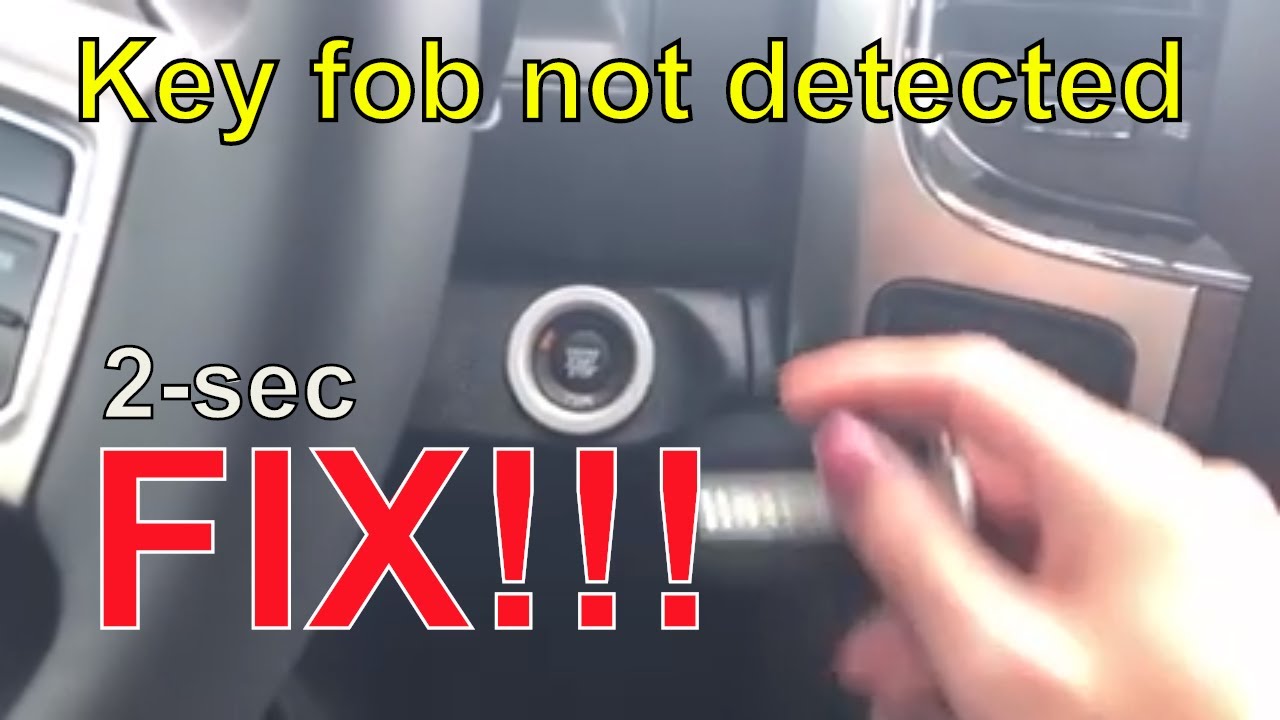
Key fobs have become indispensable features of modern vehicles, offering convenience and security. But what happens when your trusty fob suddenly stops working? The frustration of standing next to your car, repeatedly pressing buttons with no response, is all too familiar. This article dives into the common reasons why your key fob might not be detected, offering explanations suitable for car enthusiasts, everyday owners, and even those tinkering under the hood.
Understanding How Key Fobs Work
Before troubleshooting, it's essential to understand the basics. A key fob isn't just a button; it's a sophisticated radio transmitter. When you press a button (lock, unlock, trunk), the fob sends a coded radio frequency (RF) signal to your car's receiver. If the code matches what's stored in the car's computer, the car performs the requested action.
There are two main types of key fob systems:
- Traditional Key Fobs: These require you to press a button to initiate the signal transmission. Think of older Honda Civics or Toyota Corollas – pressing the 'lock' button activates the fob.
- Passive Keyless Entry (PKE) Systems: These are more advanced. The fob constantly emits a low-power signal. When you're within a certain range of the car (usually a few feet), the car detects the fob's presence and allows you to unlock the doors or start the engine with a button push or even just by touching the door handle. Many newer vehicles, like Ford Explorers or BMW 3 Series, use PKE.
Common Causes of Key Fob Detection Failure
1. Dead or Weak Battery
This is the most frequent culprit. Key fobs rely on a small battery (usually a coin cell battery like a CR2032 or CR2025) to power their transmitter. Over time, this battery depletes, weakening the signal. If you find yourself needing to get closer and closer to the car for the fob to work, a weak battery is almost certainly the issue. Symptoms include:
- Reduced range
- Inconsistent operation
- Eventually, complete failure
Example: Imagine your 2018 Mazda 3 key fob suddenly requiring you to be right next to the door for it to unlock. Replacing the battery will likely solve the problem.
Solution: Replacing the battery is usually straightforward. Check your owner's manual for instructions on how to open the fob. Use the correct type of replacement battery. You can find these at most drugstores, hardware stores, or online.
2. Radio Frequency Interference (RFI)
Key fobs operate on specific radio frequencies. Other electronic devices emitting similar frequencies can interfere with the fob's signal, preventing the car from receiving it. Common sources of RFI include:
- Other electronic devices: Think of power lines, cell towers, or even other key fobs operating nearby.
- Strong radio transmitters: Amateur radio operators or emergency services transmitters can cause interference.
Example: You might find that your key fob works perfectly fine at home but struggles to operate in a busy parking lot near a cell tower. This suggests RFI is the problem.
Solution: Unfortunately, there's not much you can do to eliminate RFI sources. Try moving to a different location or holding the fob closer to the car's receiver (usually near the door handle or steering column). In extreme cases, shielding the fob with your hand (acting as a Faraday cage to block some interference) *might* help. This is generally less of a problem with newer systems that operate on more secure frequencies.
3. Car Battery Issues
While the fob has its own battery, the car also needs a healthy battery to power its receiver and computer systems. If your car's battery is weak or dead, the receiver might not be able to properly detect the fob's signal.
Example: If your car is struggling to start or the interior lights are dim, a weak car battery could be preventing the key fob from working.
Solution: Check your car's battery voltage. A fully charged battery should read around 12.6 volts. If it's significantly lower, try jump-starting the car or replacing the battery.
4. Faulty Key Fob
Sometimes, the problem lies within the fob itself. Internal components can fail due to physical damage (dropping the fob), water damage, or simply wear and tear.
Example: If you've accidentally run your key fob through the washing machine, it's likely damaged. Similarly, repeated drops can damage the internal circuitry.
Solution: Carefully inspect the fob for any signs of physical damage. If you suspect damage, you might need to purchase a replacement fob. Many auto parts stores and dealerships can program a new fob to work with your car.
5. Receiver Problems in the Car
The car's receiver, responsible for receiving the fob's signal, can also malfunction. This could be due to a faulty antenna, a problem with the wiring, or a software glitch in the car's computer.
Example: If *none* of your key fobs work (even after replacing the batteries) and other functions like the remote start (if equipped) also fail, the issue could be with the car's receiver.
Solution: Diagnosing a receiver problem typically requires specialized equipment and knowledge. A mechanic can use a diagnostic scanner to check for error codes and test the receiver's functionality. This often involves checking the wiring and connections related to the keyless entry system.
6. Key Fob Programming Issues
Key fobs need to be programmed to your specific car. The programming process involves linking the fob's unique ID to the car's computer. If the programming is lost or corrupted (perhaps due to a software update or electrical surge), the fob will no longer work.
Example: After replacing your car's battery, you might find that the key fob no longer works. This is because disconnecting the battery can sometimes reset the car's computer and erase the fob's programming. Similarly, some aftermarket alarms can interfere with the factory keyless entry system causing the car to "forget" the key fob.
Solution: You can try re-programming the key fob yourself. Some car manufacturers provide instructions in the owner's manual for performing a manual reprogramming procedure. However, many newer vehicles require specialized diagnostic equipment to program key fobs. In such cases, you'll need to visit a dealership or a qualified locksmith.
7. Security System Issues
Aftermarket security systems can sometimes interfere with the key fob's operation. A faulty or improperly installed security system might block the fob's signal or trigger false alarms.
Example: If you recently had an aftermarket alarm installed and your key fob stopped working soon after, the security system could be the cause.
Solution: Check the wiring and connections of the aftermarket security system. Try temporarily disabling the security system to see if it resolves the issue. If so, you might need to have the security system re-installed or repaired.
8. Passive Keyless Entry (PKE) System Glitches
PKE systems, while convenient, can sometimes be finicky. Issues might arise from the door handle sensors, the car's proximity sensors, or software glitches in the PKE module.
Example: On some Cadillac models, issues with the door handle sensors are notorious for causing intermittent key fob detection problems.
Solution: Try using the physical key to unlock the door. This will often override any PKE-related glitches. If the problem persists, a diagnostic scan by a mechanic can pinpoint the faulty component within the PKE system.
Practical Takeaways
- Start with the Obvious: Check the key fob battery first. It's the most common cause and the easiest to fix.
- Rule Out Interference: Try using the fob in a different location to see if RFI is the problem.
- Inspect the Fob: Look for any signs of physical damage, water damage, or corrosion.
- Consult Your Owner's Manual: It might contain troubleshooting tips or instructions for re-programming the key fob.
"Always refer to your vehicle's owner's manual for specific instructions and safety precautions," reminds a seasoned automotive technician.
- Don't Hesitate to Seek Professional Help: If you've exhausted all other options, a mechanic or locksmith can diagnose and repair more complex issues. They have the tools and expertise to identify problems with the car's receiver, security system, or PKE system.
- Prevention is Key: Protect your key fob from damage and replace the battery regularly (every 1-2 years) to avoid unexpected failures.
- Keep a Spare: Always have a spare key fob in a safe place. This can save you a lot of headaches if your primary fob malfunctions.