
Why Is White Smoke Coming From My Exhaust
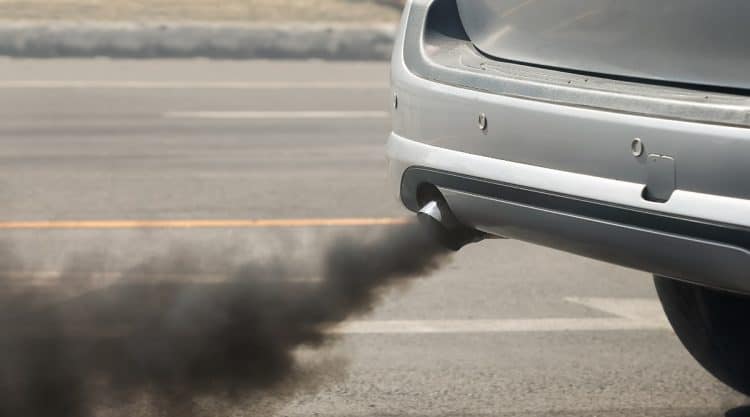
Seeing white smoke billowing from your exhaust pipe can be alarming. While it might just be condensation on a cold morning, it can also signal a more serious underlying problem. Understanding the potential causes of white smoke can help you diagnose the issue and take appropriate action. This article breaks down the common reasons for white smoke and what you should do about it.
Understanding Exhaust Smoke: What the Color Means
The color of exhaust smoke provides important clues about the condition of your engine. Here's a quick rundown:
- White Smoke: Primarily indicates water or coolant entering the combustion chamber.
- Blue Smoke: Suggests burning oil.
- Black Smoke: Usually points to excess fuel being burned.
We will focus primarily on the causes and implications of white exhaust smoke in this article.
Common Causes of White Smoke From Your Exhaust
Several factors can contribute to white smoke coming from your exhaust. It's essential to differentiate between harmless vapor and potentially damaging coolant leaks.
1. Condensation (Normal & Temporary)
The most common and least concerning cause is simply condensation. When your engine cools down, moisture can accumulate in the exhaust system. This is especially true in colder weather. When you start the engine, this moisture evaporates and exits as white "smoke," which is really steam. This type of smoke is typically thin and dissipates quickly.
How to tell if it's condensation:
- The smoke is thin and disappears quickly.
- It's more prevalent on cold mornings or after the car has been sitting for a while.
- The smoke usually disappears as the engine warms up.
- The exhaust doesn't have a sweet smell.
If the white smoke only appears briefly upon startup and disappears quickly, there's likely nothing to worry about.
2. Coolant Leakage into the Combustion Chamber (Serious Problem)
If the white smoke is thick, persistent, and smells sweet (like antifreeze), it almost certainly indicates that coolant is leaking into the combustion chamber. This is a more serious issue that requires immediate attention.
How does coolant get into the combustion chamber?
Several potential culprits exist, but the most common are:
- Blown Head Gasket: A head gasket seals the cylinder head to the engine block. If it fails, it can create a pathway for coolant to leak into the cylinders. This is a frequent cause of white smoke.
- Cracked Cylinder Head: A crack in the cylinder head itself can allow coolant to seep into the combustion chamber.
- Cracked Engine Block: Similar to a cracked cylinder head, a crack in the engine block can also cause coolant leakage. This is a less common but still possible scenario.
When coolant enters the combustion chamber, it's burned along with the fuel, creating steam that exits through the exhaust pipe as white smoke.
Symptoms of Coolant Leakage:
- Thick, persistent white smoke.
- Sweet, antifreeze-like smell from the exhaust.
- Overheating engine.
- Low coolant level.
- Bubbling in the radiator or coolant reservoir.
- Milky or discolored oil (due to coolant mixing with the oil).
If you suspect a coolant leak, stop driving immediately and have your vehicle towed to a trusted mechanic. Continuing to drive with a coolant leak can cause severe engine damage.
3. Fuel Injector Issues
While less common than coolant leaks, faulty fuel injectors can also contribute to white smoke. If a fuel injector is leaking or malfunctioning, it may deliver an incorrect amount of fuel to the cylinder. This can lead to incomplete combustion, resulting in white smoke that might smell like unburnt fuel.
How to identify fuel injector issues:
- White smoke that smells like fuel.
- Rough idling.
- Poor acceleration.
- Reduced fuel economy.
- Engine misfires.
Fuel injector problems require professional diagnosis and repair or replacement of the faulty injector(s).
What to Do If You See White Smoke
Here's a step-by-step approach to take when you notice white smoke coming from your exhaust:
- Observe Carefully: Note the color, density, and smell of the smoke. Is it thin and dissipating, or thick and persistent? Does it smell like water, antifreeze, or fuel?
- Check Coolant Level: Examine your coolant reservoir. Is the level significantly lower than usual?
- Check Oil Dipstick: Inspect your engine oil. Is it milky or discolored, indicating coolant contamination?
- Monitor Engine Temperature: Keep an eye on your engine temperature gauge. Is it overheating?
- If you suspect a serious problem (coolant leak or fuel injector issue): Stop driving immediately and have your vehicle towed to a qualified mechanic. Continuing to drive could worsen the damage.
- If it's just condensation: Monitor the situation. If the smoke disappears quickly and the engine runs normally, it's likely just condensation and nothing to worry about.
Prevention and Maintenance
While some issues are unavoidable, proper maintenance can help prevent many problems that lead to white smoke:
- Regular Coolant Flushes: Replace your coolant according to the manufacturer's recommendations. Old coolant can become acidic and corrode engine components.
- Regular Oil Changes: Keep your oil clean and at the proper level. This helps lubricate and cool the engine, reducing wear and tear.
- Scheduled Engine Inspections: Have your engine inspected regularly by a qualified mechanic to catch potential problems early.
- Address Overheating Immediately: If your engine overheats, stop driving immediately and have it diagnosed. Overheating can damage the head gasket and other engine components.
Conclusion
White smoke from your exhaust can be caused by various factors, ranging from harmless condensation to serious engine problems. Determining the cause requires careful observation and, in some cases, professional diagnosis. If you suspect a coolant leak or fuel injector issue, don't hesitate to seek expert help. Addressing the problem promptly can save you significant money and prevent further damage to your vehicle.