
Why Was The Nissan Skyline Banned
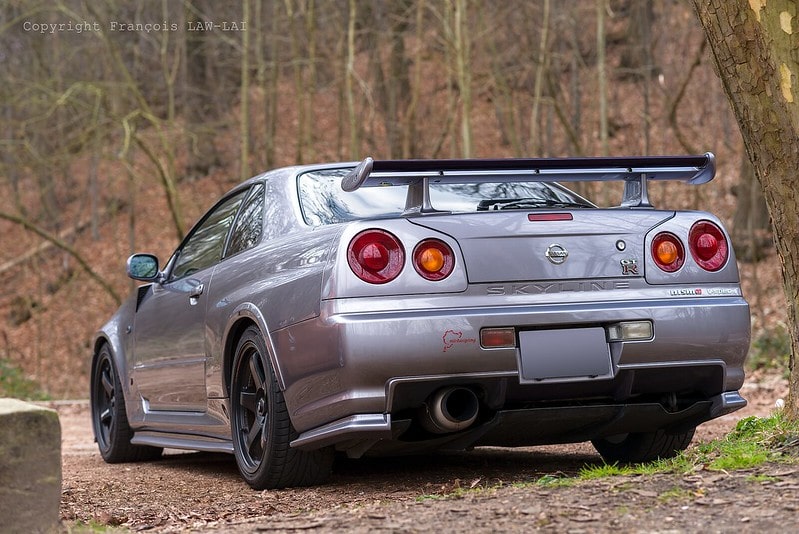
Alright, let's talk about the Nissan Skyline, specifically, why certain generations (particularly the R32, R33, and R34) faced so much difficulty getting legally imported and registered in the United States. This isn't a simple "it's too fast" story, although performance is definitely a factor. The truth is much more nuanced and involves a complex web of federal regulations, safety standards, and a healthy dose of bureaucratic red tape.
The Core Issue: Federal Motor Vehicle Safety Standards (FMVSS)
The primary reason why these Skylines were initially banned comes down to the Federal Motor Vehicle Safety Standards (FMVSS). These standards, established and enforced by the National Highway Traffic Safety Administration (NHTSA), dictate the minimum safety requirements for vehicles sold and operated on US roads. Think of them as a comprehensive checklist covering everything from crashworthiness and braking performance to lighting and even the reflectivity of interior surfaces.
Now, here's the rub: Manufacturers typically design and engineer their vehicles to meet these standards before they're even sold. This involves extensive testing, validation, and documentation. Nissan, being a global manufacturer, obviously meets safety standards in other markets, but those standards aren't necessarily identical to the FMVSS. The Skyline, designed primarily for the Japanese Domestic Market (JDM), was never originally intended for sale in the US. Consequently, it wasn't designed or tested to comply with FMVSS at the factory level.
The 25-Year Rule: A Key Loopholes (Eventually)
There is, however, a critical exception to the FMVSS: the 25-year rule. This rule states that vehicles older than 25 years are exempt from complying with all FMVSS requirements. The reasoning is that these vehicles are considered "historic" and not intended for regular daily use. This is why you see older Skylines (R32 models produced before 1999, for example) now legally making their way into the US. The 25-year clock ticks forward each year, opening the door for newer models to eventually become legal.
But before 25 years, getting a Skyline through the legal channels was...challenging, to put it mildly.
The "Show or Display" Exemption: A Limited Path
Before the 25-year rule applied, a limited number of Skylines could be imported under the "Show or Display" exemption. This exemption allows the importation of vehicles of historical or technological significance, even if they don't meet FMVSS, provided they're only used for exhibitions, demonstrations, and similar events. Mileage is severely restricted (typically 2,500 miles per year), and the vehicle must be kept in a specific condition to maintain its eligibility. This pathway was highly restrictive and required a lot of paperwork and oversight. Furthermore, getting a Skyline approved under this exception was rare, and it was really geared towards collectors and museums, not the average enthusiast.
Complying with FMVSS: A Herculean Task
Theoretically, you *could* bring a newer Skyline (one not covered by the 25-year rule or the "Show or Display" exception) into compliance with FMVSS. But this is an incredibly complex and expensive undertaking. It's not just about adding a few reflectors or swapping out the headlights. Here's a glimpse of what's involved:
- Crash Testing: Vehicles must undergo rigorous crash testing to ensure they meet FMVSS requirements for occupant protection. This means sacrificing multiple vehicles for destructive testing. These tests evaluate frontal impact, side impact, rollover, and other scenarios. If the Skyline doesn't meet the standards, significant structural modifications would be required.
- Braking System Modifications: The Skyline's braking system must meet specific performance standards, including stopping distances and anti-lock brake system (ABS) functionality. This could involve replacing brake components, recalibrating the ABS system, and conducting extensive testing.
- Lighting System Upgrades: Headlights, taillights, and signal lights must meet specific intensity, color, and placement requirements. JDM lighting often differs significantly from US standards, requiring complete replacement of these components.
- Emissions Compliance: In addition to FMVSS, imported vehicles must also comply with Environmental Protection Agency (EPA) emissions standards. This typically involves installing catalytic converters, oxygen sensors, and other emissions control devices. The RB26DETT (the inline-6 twin turbo engine in the GT-R) is a complex engine, and meeting US emissions standards can be very challenging.
- Documentation and Certification: All modifications must be thoroughly documented and certified by a qualified testing laboratory. This involves a significant amount of paperwork and administrative overhead.
The cost of performing all these modifications and obtaining the necessary certifications can easily exceed the purchase price of the vehicle itself, making it economically impractical for most individuals.
The Role of Registered Importers (RIs)
To navigate this regulatory maze, some companies operated as Registered Importers (RIs). These businesses were certified by NHTSA to modify vehicles to meet FMVSS. However, the RI process was often expensive and not always reliable. RIs would often make modifications they felt were "good enough" to pass inspection but may not have met the same rigorous standards that Nissan would have employed originally. The quality of the work performed by RIs varied widely, and some were accused of cutting corners or providing incomplete documentation.
In short, the RI route was a risky and expensive gamble.
Gray Market Imports and the "Motor Vehicle Safety Compliance Act of 1988"
Before the regulatory landscape solidified, there was a period of more lenient enforcement, leading to what were known as "gray market" imports. These were vehicles imported through less-than-official channels, often with minimal or no modifications to meet FMVSS. The Motor Vehicle Safety Compliance Act of 1988 significantly tightened regulations on these gray market imports, making it much more difficult to import vehicles that didn't comply with FMVSS. This act further cemented the de facto ban on newer Skylines.
Misconceptions and "Urban Legends"
It's important to debunk some common misconceptions about the Skyline ban. It's not simply because the Skyline is too fast or too powerful. While performance is undoubtedly a factor in its appeal, the primary reason for the ban is non-compliance with FMVSS. Other high-performance vehicles, such as certain Porsche models, were able to be legally imported because they were engineered and certified to meet US safety standards.
Another misconception is that all Skylines are illegal. As mentioned earlier, the 25-year rule has opened the door for older models. Additionally, some Skylines were never officially "banned" but were simply not sold in the US. The R35 GT-R, for example, was designed and sold in the US market, fully compliant with FMVSS.
The Legal Landscape Today
As we move further into the 21st century, the 25-year rule is gradually unlocking the door for more Skyline models. The R32 is now fully legal, and the R33 and R34 are becoming legal as their production years reach the 25-year threshold. However, it's crucial to ensure that any imported Skyline is properly documented and complies with all applicable state and federal regulations.
Before buying any Skyline, it is always recommended to consult with an import specialist to make sure you know what you're getting into. This will prevent you from falling prey to unscrupulous sellers or getting yourself into trouble with the authorities. Enjoy the legendary Skyline, but do so legally and responsibly!