
Why Was The Toyota Avalon Discontinued
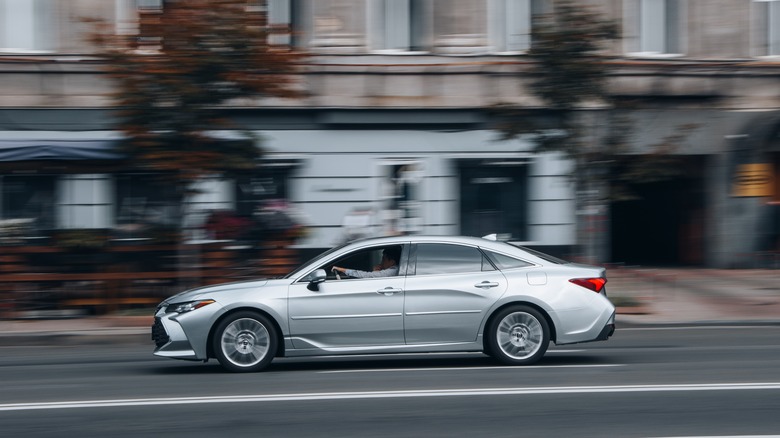
The Toyota Avalon, a name synonymous with comfortable and reliable full-size sedans for nearly three decades, was discontinued after the 2022 model year in North America. The decision, while surprising to some, was the culmination of several converging factors within the automotive industry and at Toyota itself. Let's delve into the key reasons behind the Avalon's departure.
Shifting Market Dynamics: The SUV Craze
The most significant factor contributing to the Avalon's demise is the overwhelming shift in consumer preference towards SUVs and crossovers. These vehicles offer a higher driving position, more cargo space, and an image of ruggedness that sedans, even premium ones like the Avalon, struggle to match. The Avalon's sales figures reflected this trend. While it enjoyed steady sales in its earlier years, its numbers steadily declined as SUVs dominated the market. For example, comparing Avalon sales to that of the Toyota Highlander reveals a stark contrast. The Highlander, a mid-size SUV, consistently outsold the Avalon by a wide margin, underscoring the market's preference for taller, more versatile vehicles.
This wasn't unique to the Avalon. Many other full-size sedans faced similar fates. The segment as a whole shrank, making it difficult for manufacturers to justify continued investment in these models.
Toyota's Electrification Strategy and Model Lineup Optimization
Toyota is heavily invested in electric vehicle (EV) development. The company is streamlining its lineup to focus on models that align with its future electrification strategy. While the Avalon was available as a hybrid, its core identity remained tied to the traditional internal combustion engine (ICE). Toyota likely saw more potential in developing and marketing EVs and hybrid SUVs like the RAV4 Prime and the upcoming electric SUV models.
Furthermore, Toyota may have seen the Avalon as somewhat redundant within its broader model lineup. With the updated Toyota Crown essentially taking the Avalon's place in the lineup. The Crown offers a similar level of comfort and features but with a more modern design and available hybrid powertrains, appealing to a wider audience.
Production Consolidation and Plant Optimization
The Avalon was produced at Toyota Motor Manufacturing Kentucky (TMMK) in Georgetown, Kentucky. Discontinuing the Avalon allowed Toyota to consolidate production and allocate resources more efficiently. This likely freed up capacity at TMMK for other models, including popular SUVs and electrified vehicles, aligning production with market demand. Optimizing plant utilization is a key factor in maintaining profitability in the automotive industry, especially with the rising costs associated with EV development.
Reliability and Maintenance Considerations
While the Avalon was known for its exceptional reliability and relatively low maintenance costs, even these strengths couldn't overcome the shifting market dynamics. Avalon models with the 3.5-liter V6 engine (2GR-FE, 2GR-FKS) are particularly renowned for their longevity and ease of maintenance. Common issues, such as oil leaks or minor sensor failures, are generally well-documented and relatively inexpensive to address. However, this reputation for reliability ultimately didn't translate into enough sales to justify continued production in a market obsessed with SUVs.
The hybrid models, while offering excellent fuel economy, require specialized knowledge for servicing their hybrid systems. While generally reliable, repairs to the hybrid battery pack or other components can be more costly than traditional gasoline engine repairs. This is a factor that potential owners, and mechanics working on these vehicles, should keep in mind.
The Legacy of the Avalon
The Toyota Avalon leaves behind a legacy of comfortable, reliable, and well-built full-size sedans. It served as a flagship model for Toyota, showcasing the brand's commitment to quality and refinement. While it may be gone from the new car market, the Avalon remains a strong choice in the used car market for those seeking a spacious and dependable vehicle. The focus has shifted to SUVs and the Toyota Crown, consumers who once favored the Avalon may find themselves drawn to the new generation of vehicles that Toyota is offering.