
Why Would A Key Get Stuck In The Ignition
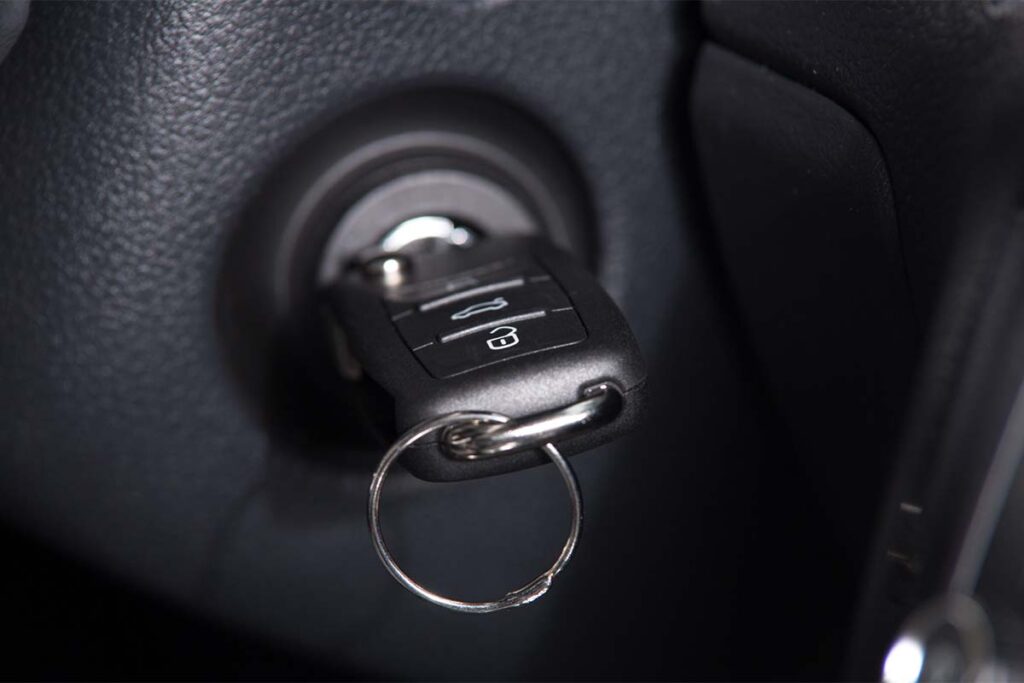
That feeling of dread – you turn off your car, ready to head inside, only to find the key stubbornly stuck in the ignition. It won't budge. What now? This common automotive annoyance can range from a minor inconvenience to a sign of a more significant problem. Understanding the reasons behind a key getting stuck in the ignition can save you time, money, and a whole lot of frustration.
The Usual Suspects: Mechanical Issues
The most frequent culprits behind a stuck key are mechanical issues within the ignition cylinder itself or the associated steering column locking mechanism. Let's break these down:
Worn-Out Key or Ignition Cylinder
Think of your key and the ignition cylinder as a precisely matched pair. Over time, both can suffer from wear and tear. The key, made of relatively soft metal like brass or nickel silver, gradually erodes with repeated use. The ignition cylinder, containing intricate tumblers (small, spring-loaded parts that align to allow the key to turn), also wears down. If either the key or the tumblers become excessively worn, the key might not fully engage or disengage properly, leading to it getting stuck. Imagine trying to fit the wrong puzzle piece – it might jam.
Example: Older Honda Civics and Toyota Corollas are notorious for developing worn ignition cylinders after years of reliable service. The original key, if used constantly for decades, can become significantly worn, increasing the likelihood of getting stuck.
Steering Wheel Lock Mechanism
Modern vehicles feature a steering wheel lock for security. This mechanism engages when the key is removed (or attempted to be removed) to prevent the steering wheel from turning and the vehicle from being steered away. Sometimes, this lock can bind or partially engage, even with the key in the ignition. This binding prevents the ignition cylinder from turning to the "off" and "lock" positions, thus trapping the key.
How to Troubleshoot: A common trick is to gently wiggle the steering wheel back and forth while simultaneously trying to turn and remove the key. This often frees the locking mechanism. Think of it as trying to unlock a slightly misaligned deadbolt on a door.
Example: On many Ford F-150s and Chevrolet Silverados, forcing the steering wheel against the lock can sometimes cause it to bind. Gentle manipulation is key.
Shift Interlock Problems (Automatic Transmissions)
Cars with automatic transmissions have a *shift interlock* system. This system prevents the key from being removed unless the gear selector is firmly in "Park" (P). If the shift linkage is misadjusted, damaged, or if there's an issue with the interlock solenoid, the system might incorrectly sense that the car isn't in Park, even when it is, keeping the key trapped. This system is a safety feature to prevent roll-away accidents.
Example: In some Nissan Altimas and Maximas, the shift interlock solenoid can fail over time, causing the key to become stuck. You might notice that the gear selector feels loose or difficult to move into Park.
Troubleshooting Tip: Try firmly pressing the shift lever into "Park" with a bit of extra force. Sometimes, that’s all it takes. Also, try depressing the brake pedal while attempting to remove the key. This can sometimes reset the interlock mechanism.
Electrical Gremlins and Electronic Issues
Beyond purely mechanical problems, electrical glitches can also contribute to a stuck key. Modern cars are increasingly complex, relying on electronic control units (ECUs) and sensors to manage various functions, including the ignition system.
Faulty Ignition Switch or Wiring
The ignition switch itself can malfunction. This switch contains electrical contacts that connect various circuits when the key is turned to different positions (accessory, on, start). Damaged or corroded contacts can prevent the switch from properly signaling that the key has been turned off and the vehicle is in "Park," keeping the key locked in place. Similarly, damaged or shorted wiring connected to the ignition switch can cause similar problems.
Example: Older Audi A4s and Volkswagen Passats are known for experiencing ignition switch failures, particularly in environments with high humidity. Corrosion within the switch is a common culprit.
ECU Malfunction
The Engine Control Unit (ECU) is the brain of the car, managing countless functions. While less common, a malfunctioning ECU can sometimes send incorrect signals to the ignition system, preventing the key from being released. This is often accompanied by other noticeable issues, such as warning lights on the dashboard or erratic engine behavior.
Example: A rare but documented issue with some BMW 3 Series models involved ECU glitches affecting the key release mechanism. A software update was often required to resolve the problem.
Foreign Objects and Contamination
Sometimes, the simplest explanation is the correct one. Debris, dirt, or foreign objects can find their way into the ignition cylinder, obstructing the key's movement. Even a small piece of lint or a broken piece of plastic can cause significant problems.
Example: Think of spilling sugary drinks or dropping crumbs near the ignition. Over time, this debris can accumulate and harden inside the cylinder.
Troubleshooting: Try using compressed air to blow out any potential debris from the ignition cylinder. Be careful not to force anything into the cylinder, as this could cause further damage.
Practical Takeaways and Troubleshooting Steps
So, what can you do if you find yourself with a key stuck in the ignition?
- Steering Wheel Wiggle: Gently wiggle the steering wheel back and forth while trying to remove the key.
- Shift Lever Check: Ensure the gear selector is firmly in "Park" (P). Try pressing the lever forcefully into Park.
- Key Inspection: Examine the key for any signs of damage or excessive wear. Compare it to a spare key if you have one. A worn key should be replaced.
- Ignition Cylinder Cleaning: Use compressed air to blow out any debris from the ignition cylinder.
- Lubrication (Use Sparingly): Only if you are sure it is a mechanical issue and are comfortable doing so, use a very small amount of graphite-based lubricant (NOT oil-based) specifically designed for locks. Avoid using WD-40 or similar penetrating oils, as they can attract more dirt and gum up the mechanism over time. Apply sparingly.
- Battery Check: Ensure your car battery is fully charged. A weak battery can sometimes cause electrical glitches that affect the ignition system.
- Professional Help: If none of the above steps work, it's time to consult a qualified mechanic or locksmith. They have the tools and expertise to diagnose the problem accurately and perform the necessary repairs. Replacing an ignition cylinder can be complex and may require specialized tools and knowledge.
Preventive Measures: To minimize the risk of a stuck key, avoid overloading your keychain (excess weight can damage the ignition switch over time), use a spare key periodically to distribute wear, and keep the area around the ignition cylinder clean.
Remember, a stuck key is often a sign that something isn't quite right. Addressing the issue promptly can prevent it from escalating into a more serious and costly problem.