
Why Would My Air Conditioner Stop Working
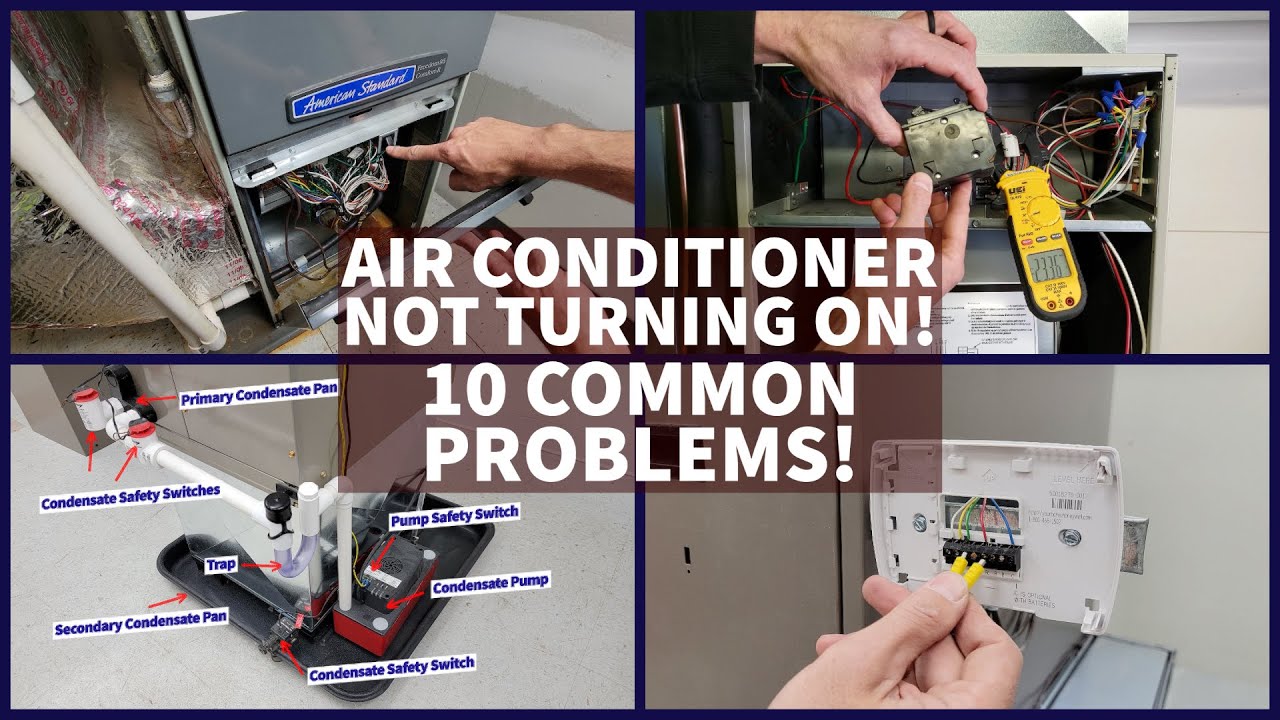
The blast of cold air abruptly turns tepid. Your brow furrows. It's happening again. Your air conditioner, that bastion of summertime comfort, has given up the ghost. But in the rapidly evolving world of automotive technology, the reasons why your AC might falter, and the solutions to fix it, are becoming increasingly complex and interesting.
Beyond the Basics: A Look at Traditional AC Problems
Before we delve into the future, let's revisit the familiar. Refrigerant leaks remain a top culprit. A compromised O-ring, a corroded condenser, or a damaged hose can slowly bleed away the lifeblood of your AC system. Similarly, a failing compressor – the heart of the system – can grind to a halt, leaving you sweating. Clogged expansion valves, faulty blower motors, and electrical issues within the control system are all potential points of failure. These are the bread-and-butter diagnostics of any competent mechanic.
However, even these traditional problems are being impacted by the changing automotive landscape. For example, the growing use of lighter materials like aluminum in condensers, aimed at improving fuel efficiency, can also make them more susceptible to damage from road debris. The shift towards more complex HVAC control systems means diagnosing electrical faults requires advanced diagnostic tools and specialized knowledge.
The Electric Vehicle AC Conundrum: A New Breed of Challenges
Electric vehicles (EVs) introduce a whole new layer of complexity to the AC equation. In an internal combustion engine (ICE) vehicle, the compressor is typically belt-driven by the engine. EVs, of course, lack this ready source of power. Instead, they rely on electric compressors. This introduces a greater dependency on the vehicle's battery and electrical system. A weakened 12V battery, often overlooked in EV maintenance, can significantly impact the performance of the AC system.
Furthermore, EVs often utilize heat pumps for both heating and cooling, offering greater efficiency. However, heat pumps are more complex systems and can be more challenging to diagnose when problems arise. The thermal management system in an EV, responsible for keeping the battery at an optimal temperature, is intimately linked to the AC system. A malfunction in the thermal management system can indirectly affect AC performance. This interconnectedness demands a holistic approach to diagnostics.
Hybrid Systems: Bridging the Gap, Facing Unique Issues
Hybrid vehicles, combining ICE and electric power, present a unique set of challenges. They often employ both engine-driven and electric compressors, depending on the driving mode. This means troubleshooting involves navigating the intricacies of both systems. The regenerative braking system in hybrids can also impact the AC system's performance. If the regenerative braking system isn't functioning correctly, it can lead to increased energy consumption, potentially straining the AC system.
Smart Automotive Solutions and the Future of AC Diagnostics
The good news is that technology is rapidly advancing to address these challenges. Smart automotive solutions are poised to revolutionize AC diagnostics and maintenance. Predictive maintenance systems, leveraging data from onboard sensors, can identify potential AC problems before they lead to a breakdown. These systems analyze data such as compressor performance, refrigerant pressure, and temperature readings to detect anomalies and alert the driver or service technician.
Advanced diagnostic tools are becoming increasingly sophisticated, capable of pinpointing the root cause of AC problems with greater accuracy and speed. Augmented reality (AR) applications are also emerging, providing technicians with step-by-step guidance on AC repair procedures. Imagine a technician wearing AR glasses that overlay diagnostic information and repair instructions directly onto the vehicle's AC system.
Furthermore, the development of more efficient and environmentally friendly refrigerants is crucial. Current refrigerants, while effective, contribute to global warming. Research into alternative refrigerants with lower global warming potential is ongoing. We can anticipate seeing a widespread adoption of these next-generation refrigerants in the coming years, contributing to a more sustainable automotive industry.
The rise of over-the-air (OTA) updates will also play a role. Automakers can remotely update the AC control software to optimize performance and address potential issues. This means your AC system could potentially improve over time, without requiring a visit to the service center.
Challenges and Considerations
While the future of AC diagnostics looks bright, challenges remain. The increasing complexity of automotive systems demands highly skilled technicians capable of working with advanced diagnostic tools and software. Training and education programs must adapt to keep pace with the rapidly evolving technology. Cybersecurity is another critical concern. As vehicles become more connected, they become more vulnerable to cyberattacks. Protecting the AC system and other critical components from malicious actors is paramount.
A Visionary Note: Beyond Comfort, Towards Efficiency and Sustainability
Ultimately, the future of automotive AC systems extends far beyond simply keeping us cool. It's about optimizing energy efficiency, reducing environmental impact, and enhancing the overall driving experience. We envision a future where AC systems are seamlessly integrated with the vehicle's overall energy management system, dynamically adjusting performance based on driving conditions and passenger preferences. Imagine a car that automatically pre-cools the cabin using renewable energy sources while parked, ensuring a comfortable and sustainable start to your journey. The humble air conditioner, once a simple luxury, is becoming a critical component in the quest for a cleaner, more efficient, and more comfortable future of mobility.