
Will A Bad Catalytic Converter Make Noise
So, you're hearing some strange noises coming from your car and you're worried it might be your catalytic converter. That's a valid concern! Catalytic converters, while not usually thought of as noisy components, can indeed cause some unpleasant sounds when they start to fail. Let's dive into the reasons why a bad catalytic converter can make noise, what those noises might sound like, and what you can do about it.
Understanding the Catalytic Converter and Its Role
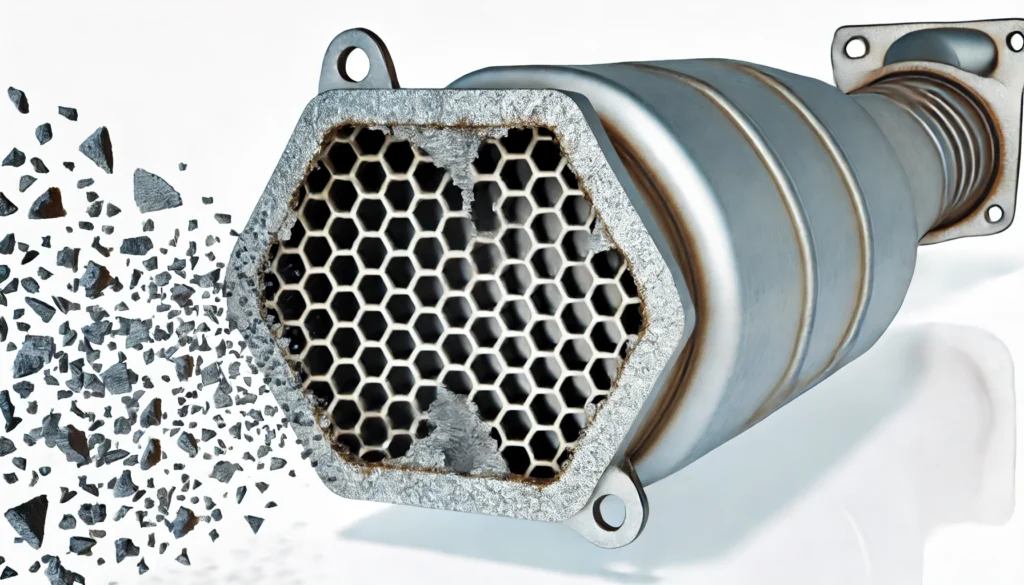
Before we get into the noises, let's quickly recap what a catalytic converter does. Think of it as your car's personal air purifier. It's a crucial part of your vehicle's exhaust system, responsible for reducing harmful emissions like hydrocarbons, carbon monoxide, and nitrogen oxides into less harmful substances. Inside, there's a honeycomb-like structure coated with catalysts (usually platinum, palladium, and rhodium) that facilitate these chemical reactions.
Common Noises Associated with a Failing Catalytic Converter
A malfunctioning catalytic converter can manifest in several ways audibly. Here are the most common noises to listen for:
Rattling
This is perhaps the most frequent complaint. The rattling sound typically originates from within the catalytic converter itself. Over time, the internal honeycomb structure can break down and crumble due to overheating, corrosion, or physical damage. These loose pieces then rattle around inside the converter's housing, especially when the engine is running or the vehicle is moving. The sound is often described as pebbles or small stones being shaken in a metal can.
Practical Tip: To try and isolate the rattling sound, gently tap the catalytic converter (when it's cool!) with a rubber mallet. If you hear a distinct rattle inside, it's a strong indication of internal damage.
Hissing
A hissing sound often points to an exhaust leak near the catalytic converter. Cracks or leaks in the exhaust pipes, flanges, or even the converter's welds can create a hissing noise as exhaust gases escape under pressure. This sound will often be more pronounced when the engine is cold.
Roaring or Humming
In some cases, a severely clogged catalytic converter can produce a roaring or humming sound. This happens because the exhaust gases are struggling to pass through the restricted passageways within the converter. This sound might become louder as the engine revs up or under acceleration. You might also notice a decrease in engine performance.
Clanging or Banging
Although less common, a clanging or banging sound could indicate that the catalytic converter has become dislodged from its mounting points or is hitting against other components underneath the vehicle. This is often the result of physical damage, such as hitting a large object in the road.
Other Symptoms of a Bad Catalytic Converter
While noises are a key indicator, it's essential to look for other accompanying symptoms that can help confirm your suspicion. Here are some to watch out for:
- Check Engine Light (CEL): A faulty catalytic converter will almost always trigger the CEL. Common codes include P0420 (Catalyst System Efficiency Below Threshold Bank 1) and P0430 (Catalyst System Efficiency Below Threshold Bank 2).
- Reduced Engine Performance: A clogged or damaged catalytic converter can restrict exhaust flow, leading to a noticeable decrease in power, acceleration, and fuel economy.
- Sulfur Smell (Rotten Eggs): A failing catalytic converter may not be able to properly convert sulfur compounds in the exhaust, resulting in a distinctive rotten egg smell, especially during acceleration.
- Overheating: A clogged converter can cause excessive backpressure, leading to overheating of the engine and exhaust system.
- Failed Emissions Test: If your catalytic converter isn't functioning correctly, your vehicle will likely fail an emissions test.
Diagnosing the Problem
If you suspect a bad catalytic converter, it's crucial to properly diagnose the issue before jumping to conclusions. Here are some steps you can take:
- Visual Inspection: Carefully inspect the catalytic converter for any signs of physical damage, such as dents, cracks, or rust. Check the exhaust pipes and flanges for leaks.
- Listen Carefully: Try to pinpoint the exact location of the noise. Use a mechanic's stethoscope or a length of hose to help isolate the sound.
- Check for Error Codes: Use an OBD-II scanner to read any diagnostic trouble codes (DTCs) stored in the vehicle's computer. This can provide valuable clues about the nature of the problem.
- Backpressure Test: A mechanic can perform a backpressure test to measure the resistance to exhaust flow. High backpressure is a strong indicator of a clogged catalytic converter.
Solutions and Repair Costs
The most common solution for a bad catalytic converter is replacement. While some repair shops might offer "cleaning" services, these are often temporary fixes and not always effective. Replacement is generally the most reliable and long-lasting solution.
Approximate Repair Costs:
The cost of replacing a catalytic converter can vary significantly depending on the vehicle make and model, the type of converter required (e.g., OEM vs. aftermarket), and the labor rates in your area. Generally, you can expect to pay anywhere from $300 to $2500 for a catalytic converter replacement. High-performance vehicles or those requiring specific OEM converters will tend to be on the higher end of that range. Labor costs can add another $100 to $500, depending on the complexity of the job.
Important Note: Replacing a catalytic converter is a job that often requires specialized tools and expertise. It's usually best left to a qualified mechanic.
Alternative Solutions (With Caution)
In some cases, particularly if the converter is only mildly clogged, some drivers explore alternatives like catalytic converter cleaners. These are fuel additives that claim to dissolve deposits and improve converter efficiency. However, the effectiveness of these products is often debated, and they might not be a permanent solution, especially if the converter is significantly damaged.
Another, often illegal, solution is to remove the catalytic converter entirely. This is illegal in most jurisdictions and can result in hefty fines, as well as causing significant environmental damage. This is strongly discouraged.
Preventing Catalytic Converter Failure
While catalytic converters will eventually wear out, there are steps you can take to extend their lifespan:
- Regular Maintenance: Keep your vehicle properly maintained, including regular oil changes, tune-ups, and air filter replacements. This can help prevent engine problems that can damage the catalytic converter.
- Avoid Running Rich: A rich-running engine (too much fuel, not enough air) can overload the catalytic converter and cause it to overheat. Address any engine issues that cause a rich fuel mixture promptly.
- Use Quality Fuel: Avoid using low-quality fuel, which can contain contaminants that can damage the catalytic converter.
- Drive Carefully: Avoid driving through deep water or hitting large objects, as this can physically damage the converter.
In conclusion, a bad catalytic converter can indeed make noise. Rattling, hissing, roaring, and clanging are all potential warning signs. If you suspect your catalytic converter is failing, it's essential to have it properly diagnosed and addressed by a qualified mechanic to ensure your vehicle is running efficiently and legally, and to prevent further damage to your engine and exhaust system. Ignoring the problem will not make it go away, and could end up costing you more in the long run!