
Will A Bad Vvt Solenoid Cause A Misfire
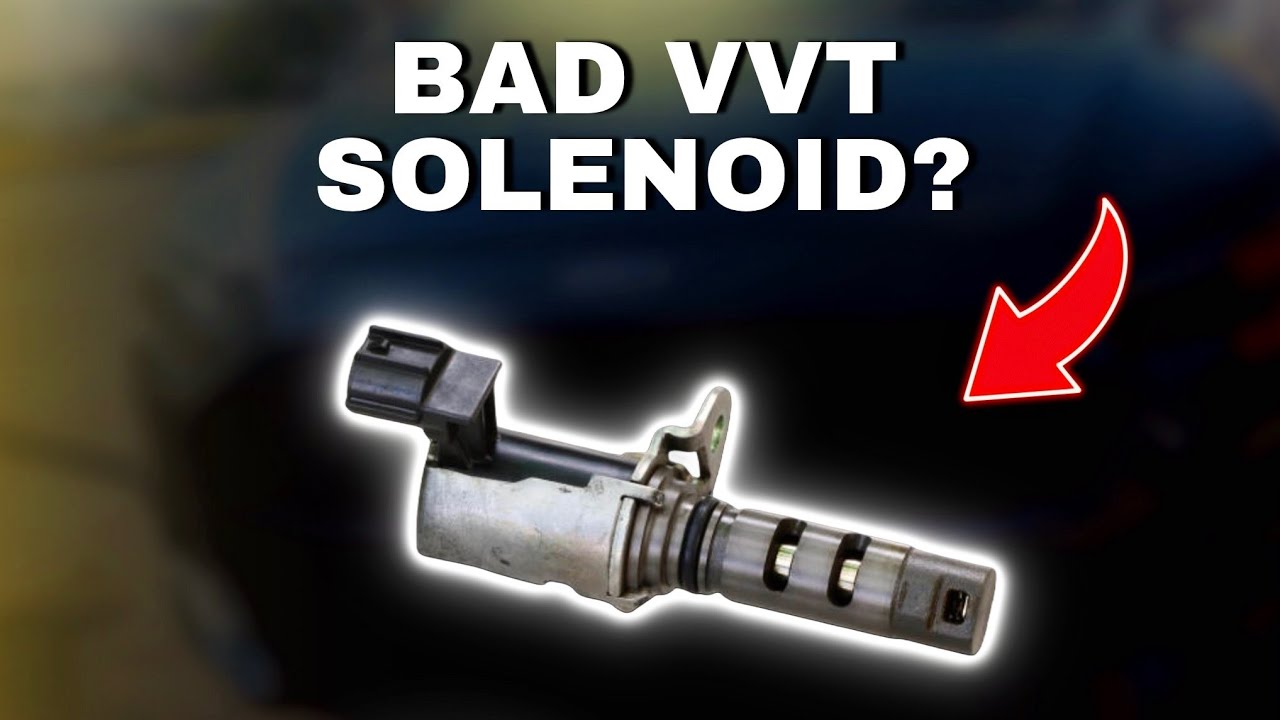
The Variable Valve Timing (VVT) system has become a mainstay in modern internal combustion engines, lauded for its ability to optimize engine performance, fuel efficiency, and emissions across a wide range of operating conditions. A crucial component within this system is the VVT solenoid, a small but mighty actuator responsible for controlling oil flow to the cam phasers. But what happens when this critical component malfunctions? A common question among automotive professionals is: Will a bad VVT solenoid cause a misfire? The short answer is yes, it can, but the reality is far more nuanced.
Understanding the VVT System and its Solenoids
Before delving into the specifics of misfires, it's essential to understand the VVT system. In its simplest form, VVT alters the timing of the intake and/or exhaust valves, allowing the engine to breathe more efficiently. This is typically achieved through hydraulically actuated cam phasers controlled by oil pressure. The VVT solenoid, an electromechanical device, receives signals from the engine control unit (ECU) and precisely modulates oil flow to these phasers. When the solenoid receives a signal, it opens or closes a valve, directing oil to advance or retard the camshaft timing relative to the crankshaft.
There are various VVT solenoid designs, including on/off solenoids and pulse-width modulated (PWM) solenoids. On/off solenoids are simpler, operating in a binary state, either fully open or fully closed. PWM solenoids, on the other hand, offer finer control by rapidly switching on and off, effectively varying the average oil pressure supplied to the phasers. This allows for more precise and dynamic valve timing adjustments.
How a Faulty VVT Solenoid Leads to Misfires
A malfunctioning VVT solenoid can disrupt the precise valve timing, leading to a variety of engine performance issues, including misfires. Here's how:
- Incorrect Valve Timing: If the solenoid is stuck open, stuck closed, or operating erratically, it can cause the valve timing to be significantly off from the optimal setting for a given engine load and speed. This can result in poor cylinder filling, incomplete combustion, and ultimately, misfires.
- Oil Pressure Issues: A leaking or internally damaged solenoid can bleed off oil pressure intended for the cam phaser. Insufficient oil pressure can prevent the phaser from moving correctly, or cause it to fluctuate erratically, leading to inconsistent valve timing and misfires.
- Mechanical Failure of the Phaser: While not directly caused by the solenoid, a persistently malfunctioning solenoid can overstress the cam phaser, leading to its premature failure. A damaged phaser will certainly cause misfires due to the inability to maintain correct valve timing.
- ECU Confusion: A failing solenoid may send incorrect feedback to the ECU, causing it to make further erroneous adjustments to fuel and ignition timing, compounding the misfire problem.
Diagnosing VVT Solenoid Issues and Misfires
Diagnosing a misfire potentially caused by a VVT solenoid requires a systematic approach. Start with scanning the ECU for diagnostic trouble codes (DTCs). Codes related to VVT solenoids, cam position sensors, or misfires on specific cylinders are strong indicators. However, relying solely on DTCs can be misleading, as a misfire can trigger secondary VVT-related codes.
Further diagnostic steps include:
- Visual Inspection: Check the solenoid and its wiring for any obvious damage, such as cracks, frayed wires, or oil leaks.
- Solenoid Testing: Use a multimeter to check the solenoid's resistance. An open circuit or short circuit indicates a faulty solenoid. Also, test the solenoid's ability to actuate using a scan tool or by applying a controlled voltage and listening for a click.
- Oil Pressure Testing: Measure the oil pressure at the solenoid and at the cam phaser to ensure adequate oil supply.
- Camshaft Correlation Testing: Use an oscilloscope to compare the signals from the crankshaft position sensor (CKP) and camshaft position sensor (CMP). This can help identify timing discrepancies caused by a faulty VVT system.
- Component Activation: Using a scan tool to command the VVT solenoid to actuate while monitoring engine performance. A noticeable change in engine behavior, or lack thereof, can help isolate the problem.
Alternatives and Comparison: Electronic Valve Lift (EVL)
While VVT primarily controls valve timing, Electronic Valve Lift (EVL) systems take it a step further by also controlling the valve lift. EVL uses electromagnetic actuators or solenoids to independently control the lift of each valve, offering even greater flexibility in engine management.
Pros of EVL over VVT:
- More precise control over airflow and combustion.
- Improved fuel efficiency and reduced emissions.
- Potential for cylinder deactivation for even greater fuel savings.
Cons of EVL compared to VVT:
- Higher complexity and cost.
- Greater power consumption.
- Potentially lower reliability due to the increased number of moving parts and reliance on precise electronic control.
Reliability, Maintenance, and Future Trends
VVT solenoids are generally reliable, but they are susceptible to wear and tear over time. Factors that can contribute to solenoid failure include:
- Dirty Oil: Contaminated oil can clog the solenoid's internal passages, hindering its operation.
- Sludge Buildup: Neglecting oil changes can lead to sludge buildup in the engine, which can also affect the solenoid.
- Electrical Issues: Faulty wiring, corrosion, or voltage spikes can damage the solenoid's electrical components.
To maintain VVT solenoid health, follow these tips:
- Use high-quality engine oil and adhere to the manufacturer's recommended oil change intervals.
- Consider using an engine flush product periodically to remove sludge and deposits.
- Inspect the solenoid and its wiring for any signs of damage during routine maintenance.
Looking ahead, the automotive industry is moving towards more sophisticated valve control systems. Electromechanical valve actuation (EMA) systems, which use electric motors to directly control valve movement, are gaining traction. These systems offer even greater precision and flexibility than traditional VVT or EVL systems. Additionally, advancements in sensor technology and engine control algorithms are enabling more sophisticated and proactive valve timing control, further optimizing engine performance and efficiency.
Conclusion
In conclusion, a bad VVT solenoid *can* indeed cause a misfire by disrupting the engine's carefully orchestrated valve timing. While diagnosis requires a methodical approach that goes beyond simply reading DTCs, understanding the VVT system's intricacies and employing proper diagnostic techniques is crucial for automotive professionals. As technology advances, expect to see even more sophisticated valve control systems emerge, further blurring the lines between mechanical and electrical systems and requiring an ever-deeper understanding of engine management principles.