
2004 Nissan Xterra Tire Size
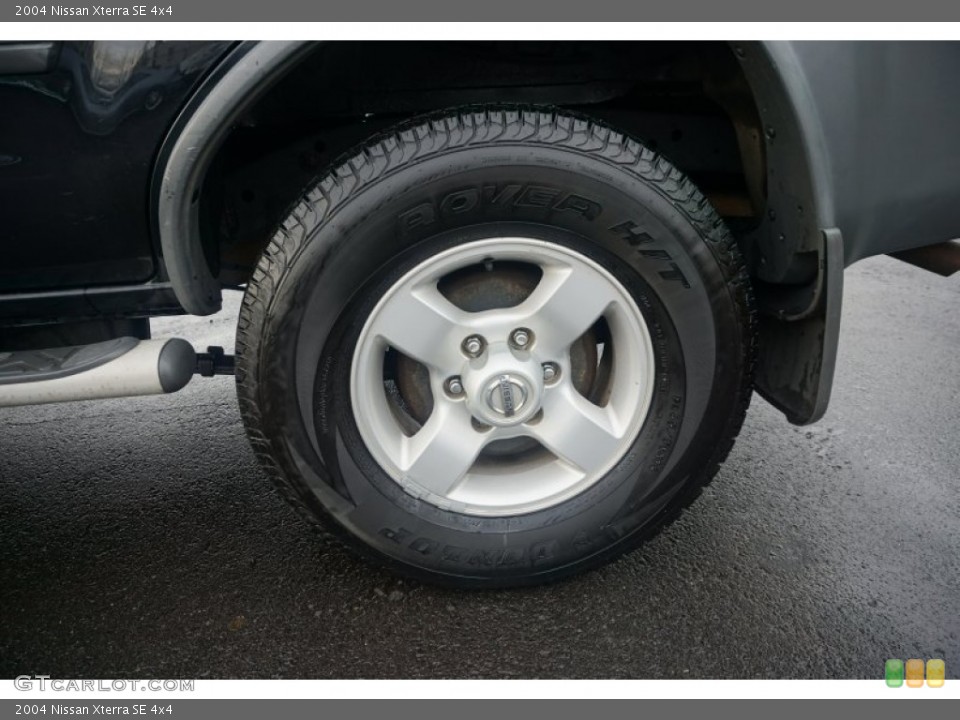
Understanding the correct tire size for your 2004 Nissan Xterra is crucial for maintaining its performance, safety, and even its appearance. Going outside the recommended parameters can affect everything from your speedometer accuracy to your vehicle's handling. This article will break down the original equipment tire sizes, discuss acceptable alternatives, and delve into the implications of modifying your Xterra's tire setup.
Original Equipment Tire Sizes for the 2004 Nissan Xterra
The 2004 Nissan Xterra was offered in several trim levels, primarily the XE and SE, with slight variations influencing the factory-installed tire size. Here's a breakdown:
- XE Trim: Typically came equipped with P235/70R16 tires.
- SE Trim: Often featured P265/70R16 tires.
Let's dissect what these alphanumeric codes mean. Consider the example of P235/70R16:
- P: Indicates a P-metric tire, designed for passenger vehicles. While not mandatory, this designates the tire as meeting certain safety and performance standards for passenger cars and light trucks. The absence of a 'P' might indicate a euro-metric tire, which, while dimensionally similar, might have slightly different load carrying capabilities.
- 235: Represents the section width of the tire in millimeters. This is the width of the tire from sidewall to sidewall at its widest point when properly inflated and mounted on a specified rim width.
- 70: This is the aspect ratio. It's the ratio of the tire's sidewall height to its section width, expressed as a percentage. In this case, the sidewall height is 70% of the 235mm section width.
- R: Denotes a radial tire construction. Radial tires are the standard construction for most modern vehicles, offering better ride quality, durability, and fuel efficiency compared to older bias-ply tires.
- 16: Indicates the wheel diameter in inches. This is the diameter of the wheel that the tire is designed to fit.
It's important to note that even within the same trim level, minor variations could exist depending on specific packages or options selected at the time of purchase. Always verify the sticker on your driver's side doorjamb, which contains the manufacturer's recommended tire size for your specific vehicle.
Understanding Tire Load and Speed Ratings
Beyond the size designation, tires also have load and speed ratings that must be considered. These ratings are crucial for safety and performance. These will also be listed on the tire sidewall.
- Load Rating: A numerical code that indicates the maximum weight a single tire can carry at its maximum permissible inflation pressure. You need to ensure your new tires have a load rating equal to or greater than the original equipment tires. Overloading tires can lead to tire failure. The owner's manual or the tire placard on the door jamb will specify the required load rating.
- Speed Rating: An alphabetical code indicating the maximum speed at which a tire can carry a load corresponding to its load index. Using a tire with a lower speed rating than recommended is unsafe and can also lead to tire failure, especially at high speeds. Again, the owner's manual or the tire placard on the door jamb will specify the required speed rating.
Always choose replacement tires with load and speed ratings that meet or exceed the original equipment specifications. This ensures safe and reliable operation of your Xterra.
Acceptable Alternative Tire Sizes and Considerations
While sticking to the original tire size is generally recommended, there are circumstances where you might consider alternative sizes. This could be for aesthetic reasons, improved off-road performance, or simply because a particular size is more readily available or affordable. However, it's critical to proceed with caution and understand the potential consequences.
Plus Sizing
Plus sizing involves increasing the wheel diameter while decreasing the tire's aspect ratio to maintain a similar overall tire diameter. For example, you might consider moving from a 16-inch wheel to a 17-inch wheel. This often improves handling and aesthetics but can also result in a harsher ride.
Upsizing for Off-Road Use
Many Xterra owners consider upsizing tires for improved off-road capabilities. A larger tire provides increased ground clearance and a larger contact patch, enhancing traction in loose terrain. However, significant upsizing requires careful planning and may necessitate modifications to the suspension and body to prevent rubbing. It will also affect your speedometer reading. Here are considerations:
- Overall Diameter: Maintaining a similar overall tire diameter is essential to avoid drastically altering your speedometer reading and drivetrain geometry. Generally, staying within +/- 3% of the original tire diameter is a good rule of thumb.
- Width: Increasing the tire width can improve stability but can also lead to rubbing issues, especially at full steering lock or when the suspension is compressed.
- Suspension Modifications: Depending on the degree of upsizing, you might need to install a lift kit or leveling kit to create sufficient clearance for the larger tires.
- Wheel Offset: The wheel offset, measured in millimeters, is the distance from the wheel's mounting surface to its center line. Changing the wheel offset can affect the tire's clearance and its position relative to the suspension components. Incorrect offset can cause rubbing or handling issues.
Before upsizing, thoroughly research the experiences of other Xterra owners who have performed similar modifications. Consult with a qualified mechanic or tire specialist to ensure your chosen size is appropriate and safe for your vehicle.
Potential Problems with Incorrect Tire Sizes
Using an incorrect tire size can lead to a range of problems, including:
- Speedometer Inaccuracy: Changing the overall tire diameter affects the number of revolutions the tire makes per mile, leading to an inaccurate speedometer reading.
- ABS and Stability Control Issues: The Anti-lock Braking System (ABS) and Electronic Stability Control (ESC) systems rely on accurate wheel speed data. Incorrect tire sizes can disrupt these systems, potentially compromising their effectiveness.
- Rubbing: Larger tires can rub against the fender liners, suspension components, or frame, causing damage to the tires and the vehicle.
- Handling Problems: Altering the tire size can affect the vehicle's handling characteristics, potentially making it less stable or predictable.
- Increased Wear and Tear: Incorrect tire sizes can place undue stress on the drivetrain components, leading to premature wear and tear.
- Reduced Fuel Economy: Larger, heavier tires can increase rolling resistance, leading to a decrease in fuel economy.
Checking Tire Pressure and Tread Depth
Regardless of the tire size you choose, maintaining proper tire pressure and monitoring tread depth are crucial for safety and performance.
- Tire Pressure: The recommended tire pressure for your 2004 Nissan Xterra is typically found on the sticker on the driver's side doorjamb. Always check the tire pressure when the tires are cold, as the pressure increases as the tires warm up. Use a reliable tire pressure gauge to ensure accurate readings. Underinflated tires can lead to reduced fuel economy, increased wear, and a higher risk of tire failure. Overinflated tires can result in a harsher ride and reduced traction.
- Tread Depth: Sufficient tread depth is essential for maintaining traction, especially in wet or snowy conditions. Most tires have wear bars built into the tread grooves. When the tread depth is level with the wear bars, it's time to replace the tires. You can also use a tread depth gauge to measure the tread depth accurately. A tread depth of less than 2/32 of an inch (1.6 mm) is considered unsafe.
Conclusion
Choosing the right tire size for your 2004 Nissan Xterra is an important decision that can affect its performance, safety, and longevity. While sticking to the original equipment size is generally recommended, understanding the implications of alternative sizes allows you to make informed choices based on your individual needs and preferences. Remember to always prioritize safety and consult with a qualified professional when making modifications to your vehicle's tire setup. By carefully considering all the factors discussed in this article, you can ensure that your Xterra is equipped with the right tires for optimal performance and enjoyment.