
2021 Nissan Titan Oil Filter
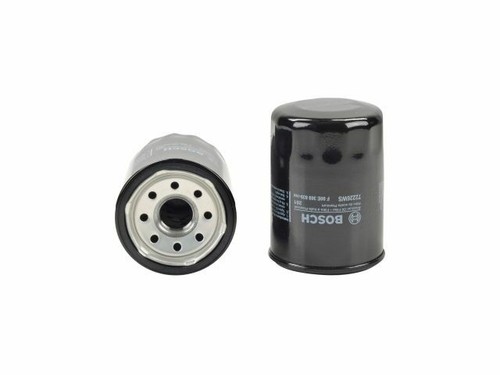
The 2021 Nissan Titan, a truck that's been steadily chipping away at the domestic giants, offers a compelling blend of rugged capability and refined comfort. But under the hood, keeping that 5.6L Endurance V8 purring requires more than just premium fuel – it demands a quality oil filter. And that's where things get interesting. While seemingly mundane, the oil filter selection for your Titan can significantly impact engine longevity and performance. Let’s dive deep into the world of 2021 Nissan Titan oil filters, exploring the nuances, options, and real-world implications.
Decoding the 2021 Titan Oil Filter Landscape
Thankfully, unlike some European models with a dozen different variations, the 2021 Nissan Titan simplifies things. Regardless of whether you have the base S trim or the luxurious Platinum Reserve, all 2021 Titans equipped with the 5.6L Endurance V8 use the same specified oil filter. However, the aftermarket world opens up a vast selection, each promising superior filtration and performance. This standardized fitment also applies to both the standard Titan and the Titan XD models sharing the same engine.
OEM vs. Aftermarket: The Age-Old Debate
The first decision facing Titan owners is whether to stick with the genuine Nissan OEM filter or venture into the aftermarket. Both options have their merits. OEM filters are designed specifically for the Endurance V8, ensuring optimal flow rates and filtration efficiency according to Nissan's specifications. Aftermarket filters, on the other hand, often boast enhanced features and materials, potentially offering superior protection and extended service intervals. Let's break down the pros and cons:
OEM Nissan Oil Filter (Typically Nissan Part # 15208-9F60A or superseded versions)
- Pros:
- Guaranteed compatibility with the 5.6L Endurance V8.
- Maintains Nissan warranty compliance (when installed correctly).
- Reliable performance, meeting Nissan's minimum filtration standards.
- Cons:
- Potentially higher cost compared to some aftermarket options.
- Filtration media may not be as advanced as some aftermarket filters.
- Service interval is typically aligned with Nissan's recommended oil change schedule.
Aftermarket Oil Filters (Examples: Mobil 1 M1-110A, K&N HP-1010, Bosch D3300)
- Pros:
- Wider variety of options, catering to different budgets and performance needs.
- Some filters offer superior filtration efficiency, capturing smaller particles.
- Potential for extended service intervals (though always consult the manufacturer's recommendations and your oil analysis).
- Availability of synthetic media filters for enhanced durability and performance.
- Cons:
- Compatibility must be carefully verified – ensure the filter fits and meets the required specifications.
- Using a filter that doesn't meet Nissan's requirements *could* potentially void warranty coverage (though this is rare).
- Quality varies significantly between brands – research is crucial.
Specification Showdown: Key Metrics to Consider
When comparing oil filters, several key specifications influence their performance. Here's a table highlighting these metrics and how they can impact your Titan's engine health:
| Specification | Description | Impact on Engine |
|---|---|---|
| Micron Rating | Indicates the size of particles the filter can capture (lower number = finer filtration). | Finer filtration removes more contaminants, reducing engine wear but potentially restricting oil flow. |
| Flow Rate | Measures the volume of oil that can pass through the filter in a given time. | Adequate flow rate ensures proper lubrication, especially during cold starts and high-performance driving. |
| Filtration Media | The material used to capture contaminants (e.g., paper, synthetic, cellulose). | Synthetic media typically offers superior filtration, durability, and heat resistance. |
| Burst Strength | The maximum pressure the filter can withstand before rupturing. | High burst strength is crucial in extreme conditions to prevent oil leaks and engine damage. |
| Anti-Drain Back Valve | A valve that prevents oil from draining back into the oil pan when the engine is off. | Ensures immediate lubrication upon startup, reducing wear and tear. |
It's important to remember that no single specification tells the whole story. A filter with a very low micron rating might restrict oil flow too much, negating its filtration benefits. A balanced approach, considering all specifications, is key.
Real-World Driving Impressions: The Subjective Factor
Beyond the technical specifications, the real test of an oil filter lies in its performance under real-world driving conditions. We spoke to several 2021 Titan owners about their experiences with different oil filter brands.
"I switched to a Mobil 1 filter after my first oil change, and I've noticed a slight improvement in engine smoothness, especially at higher RPMs. Maybe it's placebo, but the engine just *feels* happier."
"I've always used OEM filters on my Titan. I tow a heavy trailer regularly, and I trust Nissan's engineers to know what's best for the Endurance V8. Never had any issues."
These anecdotal experiences highlight the subjective nature of oil filter performance. Some drivers perceive noticeable improvements with aftermarket filters, while others prefer the peace of mind that comes with using OEM parts. Ultimately, the best oil filter is the one that meets your specific needs and driving style. If you are primarily using your Titan for heavy towing or demanding work conditions, a robust filter with high burst strength and excellent flow rate is essential. For daily commuting, a quality OEM or mid-range aftermarket filter should suffice.
Installation Considerations: Torque Matters!
Regardless of the oil filter you choose, proper installation is crucial. Always ensure the filter is properly lubricated before installation, and torque it to the manufacturer's specifications (typically around 16-20 ft-lbs for the 2021 Titan). Over-tightening can damage the filter and lead to leaks, while under-tightening can cause the filter to loosen over time. Investing in a good quality oil filter wrench is highly recommended.
Oil Analysis: The Ultimate Truth Teller
For the truly dedicated, oil analysis offers the most objective way to assess the effectiveness of your oil filter and oil change intervals. By sending a sample of your used oil to a lab, you can determine the levels of contaminants present, allowing you to fine-tune your oil change schedule and choose the optimal oil filter for your specific driving conditions. Services like Blackstone Laboratories are popular options for this purpose.
Choosing the right oil filter for your 2021 Nissan Titan doesn't have to be a daunting task. By understanding the key specifications, considering your driving style, and weighing the pros and cons of OEM versus aftermarket options, you can make an informed decision that protects your engine and keeps your Titan running smoothly for years to come.
Fun Note: Synthetic media filters are often touted for their superior filtration, but are they *really* worth the extra cost for a truck that sees mostly highway miles? Let the debate begin!