
33 Inch Tire For 17 Inch Rim
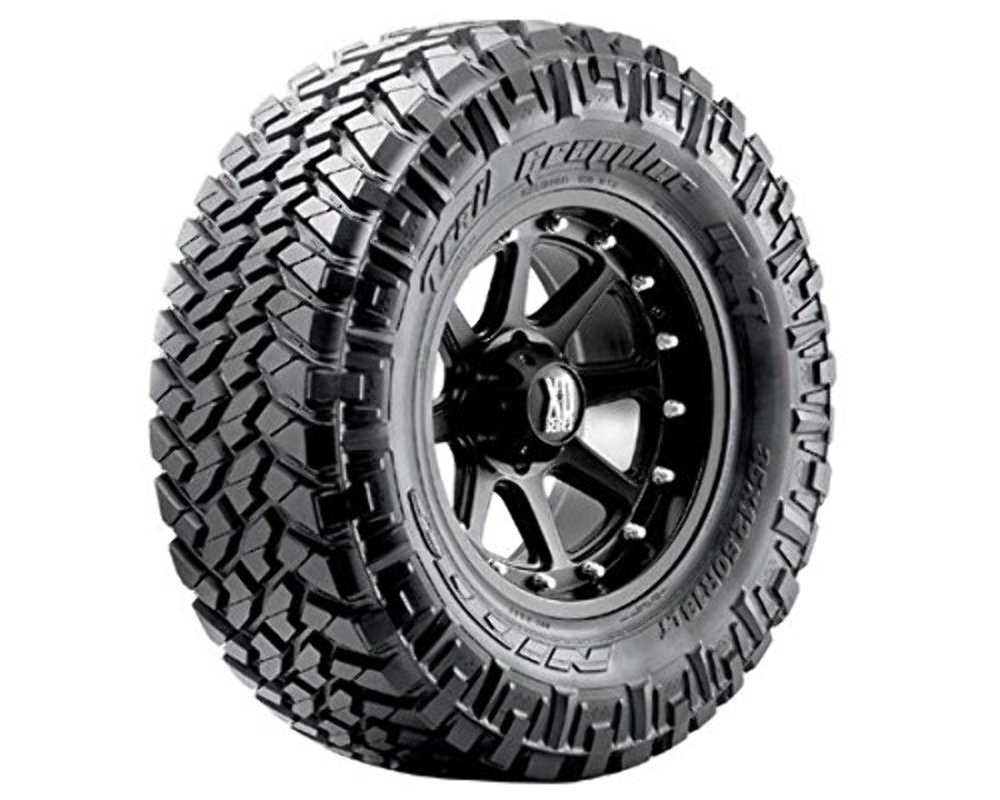
The allure of a 33-inch tire mounted on a 17-inch rim is undeniable, especially within the off-roading and truck enthusiast communities. It represents a sweet spot for many – a balance between enhanced off-road capability, a more aggressive aesthetic, and retaining decent on-road manners. This article dives deep into the specifics of this popular tire and rim combination, covering everything from fitment considerations to performance implications.
Understanding Tire Sizing: Deciphering the Code
Before we get into the specifics of 33-inch tires on 17-inch rims, let's break down tire sizing. A tire size is typically represented in one of two formats: P-metric or flotation sizing. The most common you'll encounter is P-metric, such as 285/70R17. Let's decode this:
- 285: This is the section width of the tire in millimeters (mm). In this case, it's 285mm wide.
- 70: This is the aspect ratio, representing the sidewall height as a percentage of the section width. Here, the sidewall is 70% of 285mm.
- R: Indicates a radial tire construction, the most common type today.
- 17: This is the rim diameter in inches. This is the critical part for our discussion: the tire is designed to fit a 17-inch wheel.
Flotation sizing, often used for larger off-road tires, uses a format like 33x12.50R17. Here:
- 33: Represents the overall tire diameter in inches. This is the "33-inch" we're interested in.
- 12.50: Indicates the section width of the tire in inches (12.5 inches).
- R: Again, denotes radial construction.
- 17: The rim diameter in inches, matching our desired 17-inch rim.
It's vital to understand that different manufacturers can have slight variations in actual measured tire diameter even if the stated size is the same. Always check the manufacturer's specifications for the most accurate dimensions.
The Appeal of a 33-Inch Tire on a 17-Inch Rim
Why is this combination so popular? Several factors contribute to its appeal:
- Aggressive Look: A 33-inch tire significantly enhances the vehicle's appearance, giving it a more commanding and off-road-ready stance.
- Increased Ground Clearance: Larger tires raise the vehicle's frame, providing better ground clearance for navigating obstacles.
- Improved Off-Road Traction: Larger tires offer a greater contact patch, improving grip on various terrains like mud, sand, and rocks. Many 33-inch tires come with aggressive tread patterns specifically designed for off-road use.
- Decent On-Road Performance: Unlike significantly larger tires (35-inch and up), 33-inch tires generally maintain acceptable on-road handling and noise levels.
- Wide Availability: 33-inch tires are a common size, making them readily available from various manufacturers in different tread patterns and price points. Similarly, 17-inch rims are also readily available in numerous styles and offsets.
Fitment Considerations: Ensuring Compatibility
Simply wanting to run 33-inch tires on 17-inch rims doesn't guarantee a seamless fit. Several factors must be carefully considered:
Lift Kits and Suspension Modifications
In most cases, especially with trucks and SUVs, installing 33-inch tires requires some form of lift kit or suspension modification. The factory suspension simply doesn't provide enough clearance for the larger tires to rotate freely, especially during turning and suspension articulation. The amount of lift needed depends on the vehicle model and the specific tire's dimensions. A 2-3 inch lift is a common starting point for fitting 33s.
Wheel Offset and Backspacing
Wheel offset and backspacing are critical measurements that determine how the wheel and tire sit within the wheel well. Offset refers to the distance between the wheel's mounting surface and its centerline. Backspacing is the distance from the wheel's mounting surface to the innermost edge of the wheel. Incorrect offset or backspacing can cause the tire to rub against the suspension components, frame, or fenders. Choosing the correct wheel offset is crucial for proper fitment and avoiding these issues. A negative offset will push the wheel outwards, while a positive offset will pull it inwards.
Fender Trimming and Body Modifications
Even with a lift kit and appropriate wheel offset, some vehicles may require minor fender trimming or other body modifications to prevent tire rubbing. This is particularly true when the suspension is fully compressed during off-road use. Heat guns can be used to manipulate the inner fender liners to create more space. More extreme cases might involve cutting and welding sheet metal. The brand Bushwacker offers fender flares designed to provide more tire coverage.
Gear Ratio Considerations
Increasing tire size affects the effective gear ratio. Larger tires require more torque to turn, which can result in a decrease in acceleration and fuel economy. In some cases, re-gearing the axles with a lower gear ratio is necessary to restore performance. For example, a Jeep Wrangler running 33-inch tires might benefit from switching to a 4.10 or 4.56 gear ratio, depending on the engine and transmission. Consult with a reputable drivetrain specialist to determine the optimal gear ratio for your specific application.
Brake System Compatibility
While less common with 33-inch tires than with significantly larger sizes, it's worth considering the impact on the braking system. Larger tires increase the vehicle's overall weight and rolling resistance, potentially requiring more braking force. In some cases, upgrading to larger or more powerful brakes might be necessary to maintain adequate stopping performance. Consider aftermarket brake kits from companies like Wilwood or Baer Brakes.
Choosing the Right Tire and Rim
Once you've addressed the fitment considerations, the next step is choosing the right tire and rim combination.
Tire Tread Pattern
The intended use of the vehicle dictates the optimal tire tread pattern. Options include:
- All-Season Tires: Offer a good balance of on-road comfort, wet traction, and light off-road capability.
- All-Terrain Tires (AT): Designed for a mix of on- and off-road use, featuring a more aggressive tread pattern for better traction in various terrains. These are a popular choice for drivers who frequently venture off-road but still need decent on-road performance.
- Mud-Terrain Tires (MT): Feature aggressive, deep lugs designed for maximum traction in mud and other soft terrains. These tires are generally noisier and less comfortable on the road than AT tires.
- Rock Crawling Tires: Specialized tires with extremely aggressive tread patterns and reinforced sidewalls designed for navigating rocky terrain.
Rim Material and Construction
Wheels come in various materials, including steel and aluminum alloy. Steel wheels are typically more affordable and durable, making them a good choice for off-road use. Alloy wheels are lighter and offer better heat dissipation, improving braking performance and fuel economy. They also tend to be more aesthetically pleasing. Consider forged alloy wheels for maximum strength and weight savings, although these are generally more expensive.
Load Rating
Ensure that both the tires and rims have a load rating that meets or exceeds the vehicle's Gross Vehicle Weight Rating (GVWR). The GVWR is the maximum permissible weight of the vehicle, including passengers, cargo, and fluids. Exceeding the load rating can lead to tire or wheel failure, compromising safety.
Real-World Examples and Use Cases
Let's look at some real-world examples of vehicles running 33-inch tires on 17-inch rims:
- Jeep Wrangler JK/JL: These vehicles are incredibly popular platforms for modification, and a 33-inch tire is a common upgrade. A 2.5-inch lift and aftermarket wheels with appropriate offset are often sufficient for a comfortable fit.
- Toyota Tacoma/4Runner: These trucks and SUVs are known for their off-road capability, and a 33-inch tire enhances that. A 3-inch lift and careful wheel selection are typically required to avoid rubbing.
- Chevrolet Colorado/GMC Canyon: These mid-size trucks can also accommodate 33-inch tires with a leveling kit or small lift.
For example, a 2018 Jeep Wrangler JL Unlimited might utilize a 285/70R17 tire (approximately 32.7 inches in diameter) on a 17x9 inch wheel with a -12mm offset. This combination, paired with a 2.5-inch lift, provides a balanced blend of on- and off-road performance. Another example is a Toyota Tacoma with a 3-inch lift running 285/75R17 tires (around 33.8 inches in diameter). To avoid rubbing, wheels with a 0mm offset and some minor fender trimming might be necessary.
Conclusion
The 33-inch tire on a 17-inch rim is a popular and effective upgrade for many trucks and SUVs, offering a significant improvement in off-road capability and aesthetics. However, it's crucial to understand the fitment considerations and choose the right tires and rims for your specific vehicle and needs. Careful planning and research are essential to ensure a safe and enjoyable driving experience. Remember to consult with experienced mechanics or off-road specialists for personalized advice and guidance.