
4 Cylinder Versus 6 Cylinder
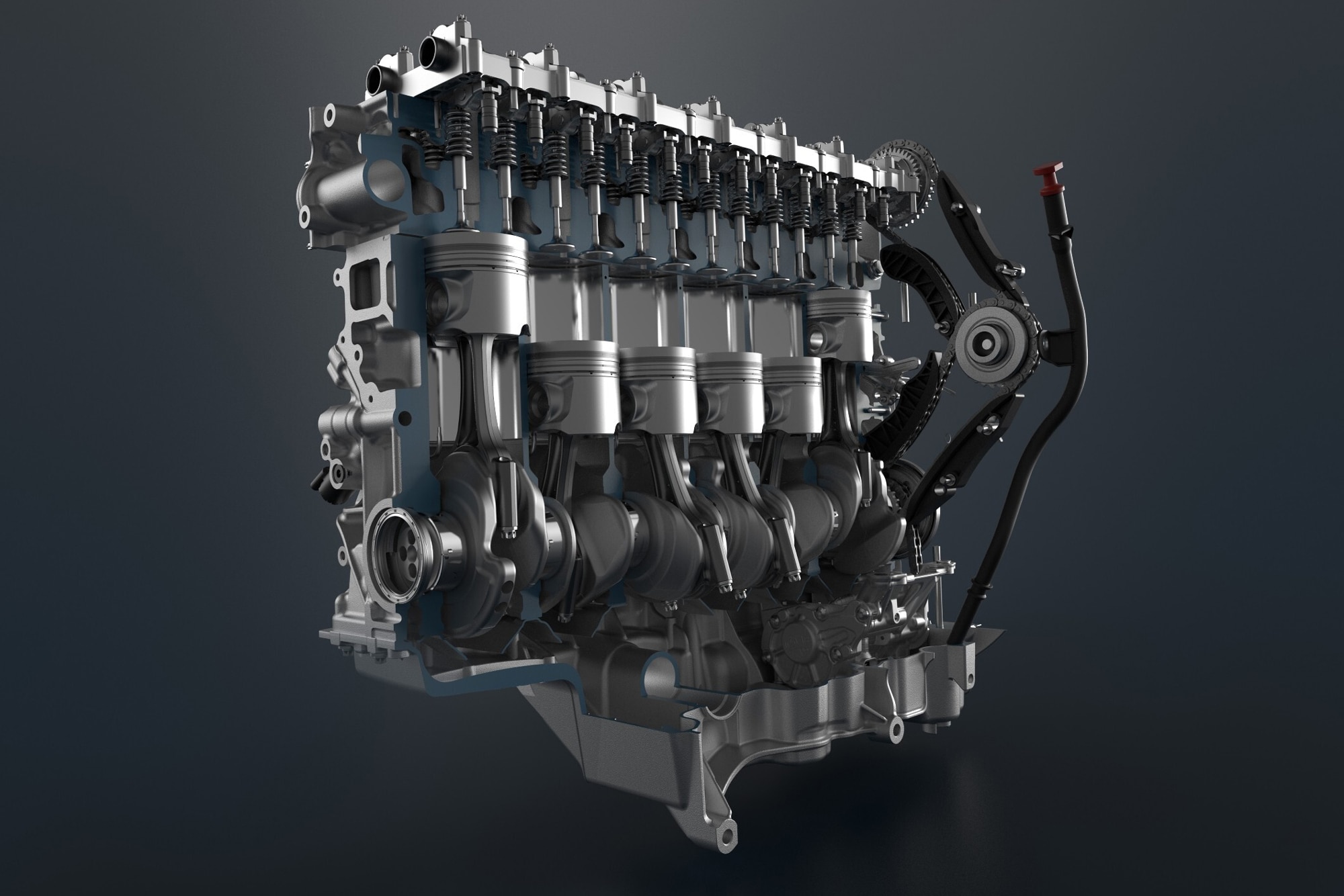
The rumble of a powerful engine, the smooth surge of acceleration – for decades, the debate has raged: 4-cylinder versus 6-cylinder. The choice was often a simple equation of economy versus performance. But the automotive landscape is undergoing a radical transformation, and the considerations are becoming far more nuanced than displacement alone.
The Shifting Sands of Displacement
Traditionally, the 4-cylinder engine represented practicality. Better fuel economy, lower emissions, and a more accessible price point were its hallmarks. The 6-cylinder, on the other hand, stood for sophistication. It delivered smoother power delivery, a more refined driving experience, and a certain prestige. However, these delineations are blurring. Modern engineering is rewriting the rules.
Turbocharging and forced induction technologies have breathed new life into smaller engines. A modern turbocharged 4-cylinder can often deliver comparable, or even superior, performance to a naturally aspirated 6-cylinder of just a decade ago. This is thanks to advancements in turbocharger design, direct injection, and sophisticated engine management systems. These innovations allow engineers to extract impressive power and torque from smaller displacements, while maintaining, and often exceeding, fuel efficiency targets. Furthermore, the reduced weight of a smaller engine can contribute to improved handling and agility.
But the 6-cylinder isn't standing still. It too is benefiting from advancements in materials science, fuel injection, and variable valve timing. Moreover, the inherent smoothness of a 6-cylinder configuration remains a distinct advantage, especially at higher RPMs and under heavy loads. This translates to a more refined and comfortable driving experience, particularly in larger vehicles where refinement is paramount. The challenge, however, remains fuel economy and emissions, areas where the 4-cylinder, with its smaller footprint, often holds the upper hand.
The Electric Revolution and the Hybrid Bridge
The internal combustion engine, in all its forms, is facing an existential threat: electrification. The rise of electric vehicles (EVs) is fundamentally changing the automotive landscape. EVs offer instant torque, zero tailpipe emissions, and a significantly reduced reliance on fossil fuels. While the early days of EVs were marked by range anxiety and limited charging infrastructure, advancements in battery technology and the expansion of charging networks are rapidly addressing these concerns.
However, the transition to a fully electric future is not immediate. Hybrid systems, both mild and plug-in, represent a crucial bridge. These systems combine the benefits of internal combustion engines with electric motors and battery packs. They offer improved fuel economy, reduced emissions, and the potential for limited electric-only driving. In this context, both 4-cylinder and 6-cylinder engines can play a role. The engine acts as a generator and provides power when needed, while the electric motor supplements the engine's output, providing extra torque and efficiency. The choice between a 4-cylinder and 6-cylinder in a hybrid system often depends on the vehicle's size, intended use, and performance requirements.
“The future of mobility is not simply about replacing internal combustion engines with electric motors; it's about creating a more sustainable, efficient, and connected transportation ecosystem.”
Smart Automotive Solutions: Beyond the Engine
The future of the 4-cylinder versus 6-cylinder debate is also intertwined with the rise of smart automotive solutions. Advanced driver-assistance systems (ADAS), autonomous driving technologies, and connected car services are transforming the driving experience. These technologies rely on a complex network of sensors, cameras, and software to enhance safety, improve efficiency, and provide drivers with a more seamless and intuitive experience.
These technologies are not engine-dependent, but they can influence the choice of powertrain. For example, a vehicle equipped with advanced autonomous driving features may prioritize fuel efficiency and comfort over outright performance. In such cases, a smaller, more efficient engine, potentially a 4-cylinder, might be the preferred choice. Conversely, a performance-oriented vehicle designed for spirited driving might still benefit from the smoother power delivery and refinement of a 6-cylinder, even with advanced ADAS features.
Furthermore, vehicle-to-everything (V2X) communication promises to revolutionize traffic management and enhance safety. V2X technologies allow vehicles to communicate with each other, with infrastructure, and with other road users. This can enable features such as cooperative adaptive cruise control, predictive traffic management, and enhanced collision avoidance. As V2X technologies become more widespread, the emphasis may shift from individual vehicle performance to overall system efficiency. This could further favor smaller, more efficient engines, as they contribute to a lower overall energy footprint.
Challenges and Opportunities
The transition to a new era of mobility is not without its challenges. The development of advanced battery technologies, the expansion of charging infrastructure, and the integration of autonomous driving systems are all complex and costly endeavors. Moreover, there are significant social and economic implications to consider, such as the potential displacement of workers in the automotive industry and the need to address issues of equity and access to new technologies.
However, these challenges also present significant opportunities. The development of new technologies can create new jobs and industries. The transition to electric vehicles can reduce our reliance on fossil fuels and improve air quality. And the integration of smart automotive solutions can make our roads safer and more efficient.
One key challenge is the cost of electric vehicles. While battery prices are falling, EVs still tend to be more expensive than comparable internal combustion engine vehicles. Government incentives and subsidies can help to bridge this gap, but long-term solutions are needed to make EVs more affordable for the average consumer. Another challenge is the availability of charging infrastructure. While charging networks are expanding, they are still not as widespread as gas stations. This can make it difficult for EV owners to travel long distances or to charge their vehicles in certain areas. Investing in charging infrastructure is crucial to supporting the widespread adoption of EVs.
From a technological perspective, continued advancements in battery energy density, charging speeds, and battery longevity are paramount. Solid-state batteries, for example, promise to offer significant improvements in these areas, but they are still in the early stages of development. Furthermore, the development of more efficient electric motors and power electronics is essential to maximizing the range and performance of EVs.
A Visionary Note
The future of mobility is not about choosing between 4-cylinder and 6-cylinder engines. It’s about embracing a holistic approach that considers the entire transportation ecosystem. It’s about developing sustainable, efficient, and connected solutions that meet the evolving needs of society. We are moving towards a world where personal vehicles might become less about individual ownership and more about access to a shared fleet of autonomous electric vehicles, optimized for specific tasks and driven by artificial intelligence. Imagine a future where transportation is seamless, personalized, and environmentally friendly. Where vehicles communicate with each other to optimize traffic flow and prevent accidents. Where parking is a thing of the past and cities are designed for people, not cars.
This is not just a technological revolution; it's a societal transformation. It requires collaboration between governments, industry, and academia. It requires a willingness to embrace new ideas and to challenge old assumptions. It requires a commitment to creating a more sustainable and equitable future for all.
The rumble of the engine may fade, but the spirit of innovation will continue to drive us forward. The future of mobility is not just about getting from point A to point B; it's about creating a better world.