
5w 30 Pennzoil Ultra Platinum
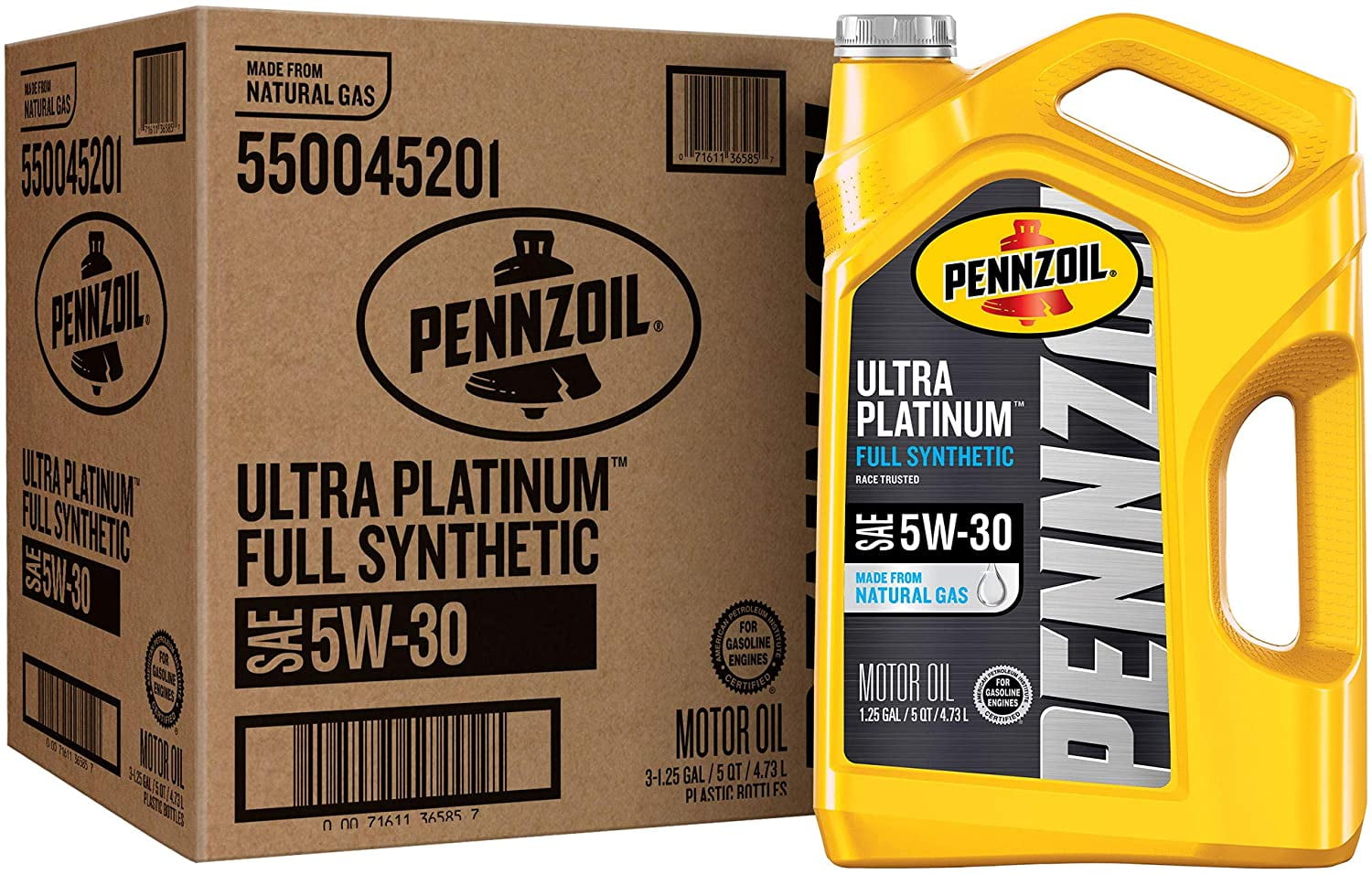
Pennzoil Ultra Platinum 5W-30 is a fully synthetic motor oil formulated to provide enhanced wear protection, cleaner engine performance, and improved fuel economy. It's a popular choice for a wide range of vehicles, from everyday commuters to high-performance cars. This article dives into practical aspects of using Pennzoil Ultra Platinum 5W-30, focusing on maintenance, troubleshooting, and addressing common issues experienced by car owners and mechanics.
Understanding Pennzoil Ultra Platinum 5W-30
5W-30 is a multigrade oil. The '5W' indicates its viscosity at cold temperatures (W stands for winter), meaning it flows relatively easily during cold starts. The '30' represents its viscosity at operating temperatures, indicating its thickness and ability to maintain a protective film on engine parts when the engine is hot. Pennzoil Ultra Platinum goes beyond basic specifications, offering advanced additives for superior cleaning and protection.
Maintenance with Pennzoil Ultra Platinum 5W-30
Regular oil changes are crucial for engine health. Here’s how Pennzoil Ultra Platinum fits into your maintenance routine:
Oil Change Intervals
While manufacturer recommendations are a good starting point, using Pennzoil Ultra Platinum can potentially extend your oil change intervals compared to conventional oils. However, always adhere to the vehicle manufacturer's recommendations first. Factors like driving conditions (frequent stop-and-go traffic, towing, or extreme temperatures) can shorten the interval. Consider a shorter interval if you experience:
- Heavy city driving: Stop-and-go traffic increases engine wear.
- Towing or hauling: Increases engine load and heat.
- Extreme temperatures: Hot or cold weather can degrade oil faster.
A good rule of thumb is to consider 7,500 to 10,000 miles for normal driving conditions with Pennzoil Ultra Platinum, but always check your owner's manual. Oil analysis can provide more precise guidance.
Choosing the Right Oil Filter
Using a high-quality oil filter is just as important as using good oil. A quality filter will effectively remove contaminants and prevent them from circulating through the engine. Pair Pennzoil Ultra Platinum with a premium oil filter from brands like Mobil 1, Bosch, or Wix for optimal performance. Ensure the filter is compatible with your specific vehicle model.
Checking Oil Level and Condition
Regularly check your oil level and condition. Low oil levels can lead to engine damage. To check the level:
- Park the vehicle on a level surface.
- Wait for the engine to cool down.
- Locate the dipstick, usually marked with an oil can symbol.
- Remove the dipstick, wipe it clean, reinsert it fully, and then remove it again.
- Check the oil level against the minimum and maximum marks on the dipstick.
The oil should be between the minimum and maximum marks. If it's low, add more oil of the same type. Also, observe the oil's color and consistency. Dark, sludgy oil indicates it needs to be changed, even if it's not yet time based on mileage.
Troubleshooting with Pennzoil Ultra Platinum 5W-30
While Pennzoil Ultra Platinum is a high-quality oil, issues can still arise. Here's a problem-solution approach to common issues:
Problem 1: Increased Oil Consumption
Symptom: You notice your oil level dropping faster than usual between oil changes.
Possible Causes:
- Worn valve stem seals: Oil can leak past the seals and burn in the combustion chamber.
- Worn piston rings: Oil can seep past the rings and burn in the combustion chamber.
- External oil leaks: Look for leaks around the valve cover gasket, oil pan gasket, or rear main seal.
- PCV valve malfunction: A faulty PCV valve can cause excessive oil consumption.
Solutions:
- Inspect for external leaks: Address any leaks by replacing the affected gaskets or seals.
- Check the PCV valve: Replace if it's clogged or malfunctioning.
- Consider a higher viscosity oil: In older engines with worn seals, a slightly higher viscosity oil (e.g., 5W-40) might help reduce oil consumption. Consult a mechanic before switching.
- Engine repair: If the problem is worn valve stem seals or piston rings, engine repair or replacement may be necessary.
Example: A common issue in older Honda Accords (2003-2007) is worn valve stem seals leading to increased oil consumption. Switching to a high mileage oil with seal conditioners can sometimes help, but ultimately, valve stem seal replacement is often required.
Problem 2: Engine Knocking or Ticking Noise
Symptom: You hear a knocking or ticking noise, especially when the engine is cold.
Possible Causes:
- Low oil level: Insufficient lubrication can cause metal-on-metal contact.
- Worn rod bearings: Excessive clearance in the rod bearings can cause knocking.
- Lifter tick: Lack of oil pressure to the hydraulic lifters.
- Oil pump failure: Reduced oil pressure can lead to various engine noises.
Solutions:
- Check and top off oil level: Ensure the oil level is within the recommended range.
- Inspect oil pressure: Use a gauge to check the oil pressure and ensure it's within specifications.
- Consider an oil additive: Some oil additives can help reduce friction and noise, but use them cautiously.
- Engine repair: If the problem is worn rod bearings or a failing oil pump, engine repair or replacement is necessary.
Example: Some Ford F-150s (especially with the 5.4L Triton engine) are known for developing a "lifter tick" due to inadequate oil pressure to the hydraulic lifters. Using a slightly thicker oil or an oil additive designed to improve oil flow can sometimes alleviate the noise, but the underlying issue may still need addressing.
Problem 3: Sludge Buildup
Symptom: Visible sludge buildup in the engine, often seen under the oil filler cap or on the dipstick. This can lead to reduced engine performance and potential damage.
Possible Causes:
- Infrequent oil changes: Allowing oil to degrade over extended periods.
- Low-quality oil: Using oil that doesn't meet the engine's requirements.
- Excessive idling: Prolonged idling can lead to sludge formation.
- Coolant leaks: Coolant mixing with oil can create sludge.
Solutions:
- Perform an engine flush: Use a commercially available engine flush product to help remove sludge. Follow the product instructions carefully.
- Shorten oil change intervals: Increase the frequency of oil changes to prevent future sludge buildup.
- Inspect for coolant leaks: Address any coolant leaks promptly.
- Consider using a high-detergent oil: Pennzoil Ultra Platinum has excellent cleaning properties.
Example: Older Volkswagen and Audi models (especially those with the 1.8T engine) are prone to sludge buildup if oil changes are neglected. Regular oil changes with a high-quality synthetic oil like Pennzoil Ultra Platinum are crucial to prevent this.
Problem 4: Reduced Fuel Economy
Symptom: A noticeable decrease in your vehicle's fuel economy.
Possible Causes:
- Old or degraded oil: Reduced lubrication increases friction, leading to decreased fuel economy.
- Incorrect oil viscosity: Using the wrong oil viscosity can increase engine drag.
- Other mechanical issues: Such as worn spark plugs, clogged air filter, or malfunctioning oxygen sensors.
Solutions:
- Change the oil: Replace old or degraded oil with fresh Pennzoil Ultra Platinum 5W-30.
- Ensure correct oil viscosity: Use the oil viscosity recommended in your owner's manual.
- Address other mechanical issues: Replace worn spark plugs, clean or replace the air filter, and diagnose and repair any malfunctioning sensors.
Example: If you notice a decrease in fuel economy in your Toyota Camry, make sure you're using the correct oil viscosity (5W-30 is often recommended). Also, check the condition of your spark plugs and air filter, as these can significantly impact fuel economy.
Real-World Considerations
Keep in mind that specific vehicle requirements vary. Always consult your owner's manual for the manufacturer's recommended oil type and viscosity. In some high-performance vehicles, a different oil grade might be specified. Also, if you live in a climate with extremely cold winters, you might consider a 0W-30 oil for even better cold-start performance. However, for most climates and vehicles, 5W-30 Pennzoil Ultra Platinum provides excellent all-around performance and protection.
Keeping Your Car in Top Condition
Using high-quality oil like Pennzoil Ultra Platinum 5W-30 is just one piece of the puzzle. Here are some additional tips for maintaining your car in top condition:
- Follow the manufacturer's recommended maintenance schedule: This includes regular oil changes, filter replacements, fluid checks, and other essential services.
- Address problems promptly: Don't ignore warning lights or unusual noises. Addressing issues early can prevent more serious and costly repairs later.
- Drive responsibly: Avoid aggressive driving habits that put unnecessary strain on the engine.
- Keep your car clean: Regular washing and waxing can protect the paint and prevent rust.
- Inspect your tires regularly: Check the tire pressure and tread depth to ensure safe handling and optimal fuel economy.
By following these tips and using Pennzoil Ultra Platinum 5W-30, you can help keep your car running smoothly and reliably for years to come.