
Air Filter 2014 Nissan Rogue
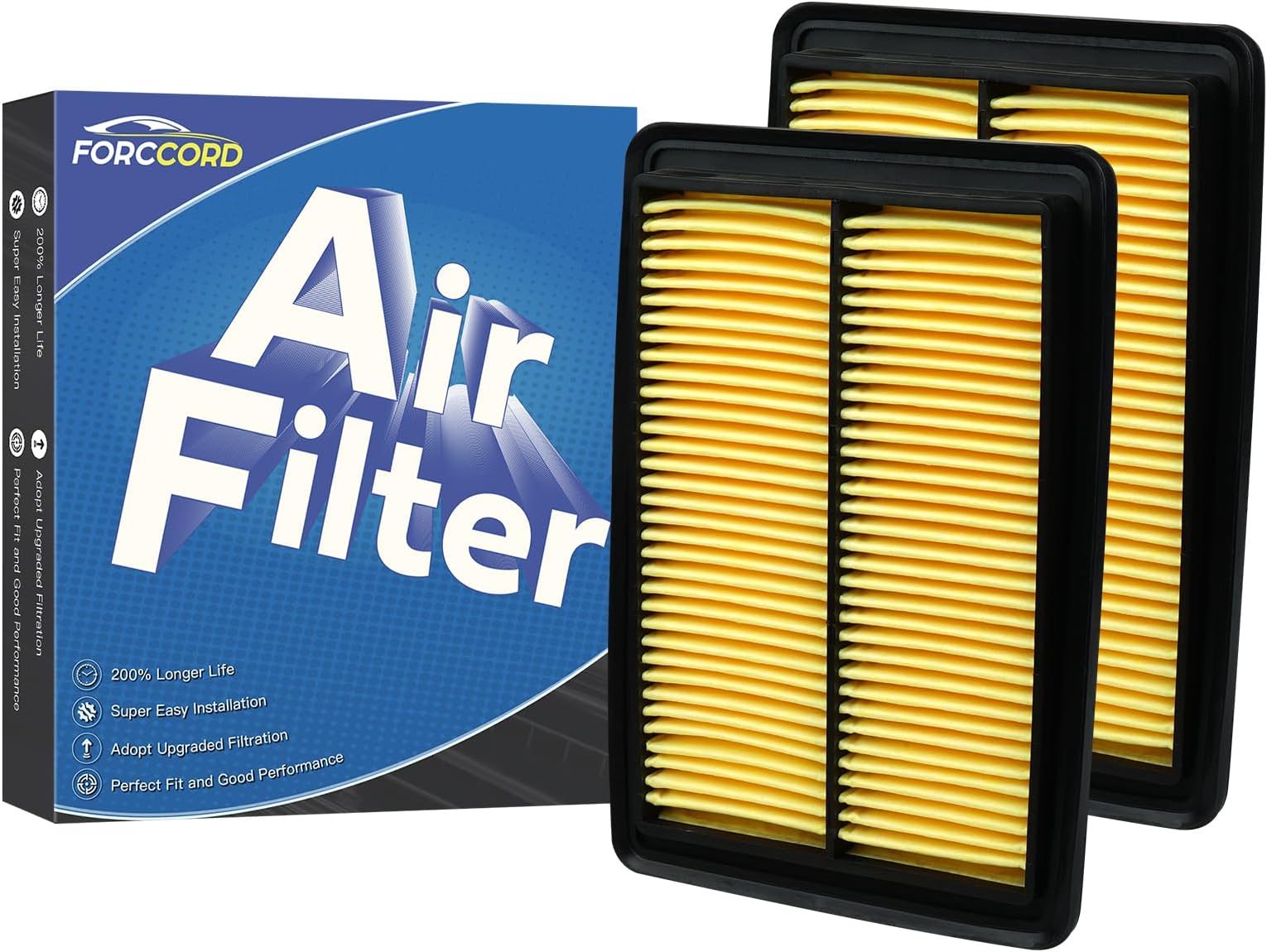
Let's talk air filters, specifically for the 2014 Nissan Rogue. Often overlooked, this humble component plays a vital role in the health and performance of your engine. Think of it like your car's nose – it filters out dust, debris, and insects from the air that enters the engine. Without a clean air filter, your engine could suffer, leading to decreased fuel economy, reduced power, and even potential damage.
What Does an Air Filter Actually Do?
At its core, an air filter's job is simple: to prevent contaminants from entering the engine's combustion chamber. Engines need air to mix with fuel for combustion, creating the power that moves your car. However, the air around us isn't pure. It's full of particles that can wreak havoc on sensitive engine components like pistons, cylinders, and valves.
Imagine this: you're driving your 2014 Nissan Rogue down a dusty road. Without an air filter, those tiny dust particles would be sucked straight into your engine. These particles are abrasive, meaning they can wear down engine parts over time. This wear leads to reduced engine efficiency, increased oil consumption, and ultimately, engine failure. A good air filter acts as a barrier, trapping these contaminants and ensuring that only clean air reaches the engine.
Think of it like the cabin air filter in your car – but for the engine. A clogged cabin air filter restricts airflow, making your AC less effective. Similarly, a clogged engine air filter restricts airflow to the engine, impacting its performance. The consequences of a dirty engine air filter are far more serious, though, as it directly impacts the engine's lifespan.
Types of Air Filters for Your 2014 Nissan Rogue
Several types of air filters are available for the 2014 Nissan Rogue, each with its own advantages and disadvantages. Understanding these differences will help you choose the best option for your driving conditions and budget.
Paper Filters
These are the most common and typically the least expensive type of air filter. They're made from pleated paper and offer adequate filtration for normal driving conditions. Many new vehicles, even models like a standard Honda Civic, come with paper filters from the factory.
Pros: Inexpensive, readily available, decent filtration for normal driving.
Cons: Less durable than other types, can become clogged easily, not suitable for very dusty environments.
Foam Filters
Foam filters are made from layers of foam and are often used in off-road vehicles or performance applications. They offer better airflow than paper filters but may not filter as effectively. Think of the filters sometimes used on small engines like lawnmowers – often made of oiled foam. They require regular cleaning and oiling to maintain their effectiveness.
Pros: Better airflow, reusable (after cleaning and oiling).
Cons: Requires maintenance (cleaning and oiling), potentially less effective filtration than paper filters, not ideal for everyday driving in most cases.
Cotton Gauze Filters
These filters, often sold under brands like K&N, consist of layers of cotton gauze sandwiched between wire mesh. They are designed to offer improved airflow and are reusable. They require cleaning and oiling, similar to foam filters. They are popular among car enthusiasts looking for a performance boost.
Pros: Improved airflow, reusable, often offer a slight performance increase.
Cons: More expensive than paper filters, require maintenance (cleaning and oiling), potential for over-oiling which can damage the mass airflow sensor (MAF).
Synthetic Filters
Synthetic air filters are constructed from synthetic materials like polyester or microfiber. These filters offer a good balance of filtration and airflow, and they are often more durable than paper filters. Some high-end vehicles, and even aftermarket options for cars like a Toyota Camry, are moving towards synthetic filters.
Pros: Excellent filtration, good airflow, durable.
Cons: Generally more expensive than paper filters.
Why the Right Air Filter Matters for Your 2014 Nissan Rogue
Choosing the right air filter for your 2014 Nissan Rogue depends on your driving habits and environment. If you primarily drive in city conditions, a standard paper or synthetic filter is likely sufficient. If you frequently drive on dirt roads or in dusty environments, a higher-quality synthetic or cotton gauze filter might be a better choice. However, remember that cotton gauze filters require more maintenance, and improper oiling can damage your Rogue's mass airflow sensor (MAF).
The MAF sensor measures the amount of air entering the engine. If it gets contaminated with oil from an over-oiled air filter, it can provide inaccurate readings, leading to poor engine performance, reduced fuel economy, and even triggering the check engine light. Replacing a MAF sensor can be costly, so it's essential to be cautious when using oiled air filters.
Changing the Air Filter in Your 2014 Nissan Rogue: A Step-by-Step Guide
Replacing the air filter in your 2014 Nissan Rogue is a relatively simple task that most owners can do themselves. Here's a step-by-step guide:
- Gather Your Tools: You'll need a new air filter (check your owner's manual for the correct part number), a screwdriver (usually Phillips head), and possibly a socket wrench.
- Locate the Air Filter Housing: The air filter housing is typically a black plastic box located under the hood, near the engine. Consult your owner's manual if you're unsure of its location.
- Open the Air Filter Housing: Most air filter housings are secured with clips or screws. Carefully remove the clips or screws to open the housing.
- Remove the Old Air Filter: Lift out the old air filter. Note its orientation (how it's positioned) so you can install the new one correctly.
- Clean the Air Filter Housing: Use a clean cloth to wipe out any debris from inside the air filter housing.
- Install the New Air Filter: Place the new air filter into the housing, ensuring it's properly seated and oriented correctly.
- Close the Air Filter Housing: Secure the air filter housing by replacing the clips or screws. Make sure the housing is sealed tightly to prevent unfiltered air from entering the engine.
How Often Should You Change Your Air Filter?
The recommended interval for replacing your air filter depends on your driving conditions and the type of filter you're using. A good rule of thumb is to inspect your air filter every 12,000 to 15,000 miles or once a year, whichever comes first. If you drive in dusty conditions, you may need to replace it more frequently. Your 2014 Nissan Rogue's owner's manual will have specific recommendations.
A visual inspection can tell you a lot. If the filter is visibly dirty, clogged with debris, or damaged, it's time for a replacement. Don't wait until it's completely blocked, as this can significantly impact your engine's performance and fuel economy. For comparison, think of a car like a Subaru Outback – known for its ruggedness. If you’re taking an Outback off-road regularly, you’d check its air filter much more often than if you just used it for commuting.
Practical Takeaways for Your 2014 Nissan Rogue
- Regular Inspection is Key: Make air filter inspection part of your regular maintenance routine.
- Choose the Right Filter: Select a filter that suits your driving conditions and budget.
- Proper Installation Matters: Ensure the air filter housing is properly sealed after replacement.
- Don't Over-Oil: If using a cotton gauze filter, be extremely careful not to over-oil it.
- Consult Your Owner's Manual: Refer to your 2014 Nissan Rogue's owner's manual for specific recommendations on air filter type and replacement intervals.
- Listen to Your Car: Reduced fuel economy or sluggish acceleration could be signs of a clogged air filter.
By understanding the importance of your 2014 Nissan Rogue's air filter and following these practical tips, you can help ensure your engine runs smoothly and efficiently for years to come. A little preventative maintenance goes a long way in keeping your Rogue on the road.