
Air Filter Housing Not Sealed
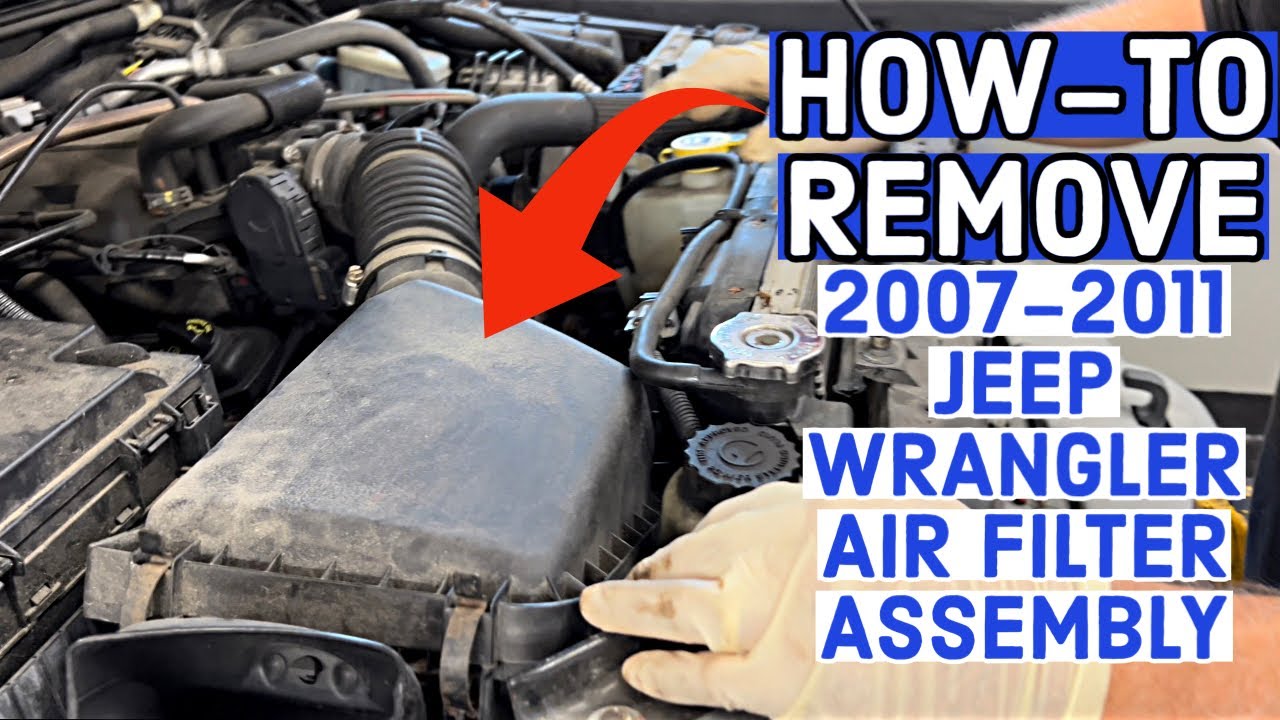
The humble air filter housing. Often overlooked, rarely admired, but absolutely crucial to the health and performance of your internal combustion engine. It's a simple box, right? Maybe a few clips, a filter element, and that's it. However, a seemingly minor issue – an air filter housing that isn't properly sealed – can lead to a cascade of problems, impacting everything from fuel economy to engine longevity. Let's delve into the technical details of why a properly sealed air filter housing is critical and what happens when that seal is compromised.
The Purpose of the Air Filter Housing
Before we discuss the ramifications of a poor seal, let's quickly recap the air filter housing's primary function. It serves two key purposes:
- Protection of the Air Filter: The housing physically shields the air filter element from direct exposure to the elements, preventing debris like large leaves, water splashes, and road grime from immediately clogging the filter. This prolongs the life of the filter itself.
- Controlled Airflow: More importantly, the housing is designed to direct incoming air exclusively through the filter element. This ensures that all air entering the engine's intake manifold has been cleaned of particulate matter that could cause damage.
Think of it like a bouncer at a very exclusive club (the engine). Only the air that meets the club's strict standards (being clean) gets past the bouncer (the filter) and into the party (the engine).
The Consequences of an Unsealed Air Filter Housing
Now, what happens when the bouncer's door is left ajar? In the case of an unsealed air filter housing, unfiltered air can bypass the filter element and enter the intake manifold. This has several detrimental effects:
Increased Engine Wear
The most significant concern is accelerated engine wear. Airborne particles, such as dust, sand, and soot, act as abrasive agents within the engine's cylinders. These particles can:
- Score Cylinder Walls: Microscopic particles can scratch and score the cylinder walls, leading to increased friction and reduced compression.
- Damage Piston Rings: Similarly, these particles can damage the piston rings, compromising their ability to seal the combustion chamber. This results in blow-by (combustion gases leaking past the rings into the crankcase), reduced power, and increased oil consumption.
- Wear Valve Seats: Unfiltered air can also cause wear on the valve seats, affecting valve sealing and potentially leading to valve burning.
The result is a progressive degradation of the engine's internal components, ultimately leading to reduced performance, increased maintenance costs, and a shorter engine lifespan.
Contamination of the Mass Airflow (MAF) Sensor
Many modern vehicles utilize a MAF sensor to measure the amount of air entering the engine. This information is crucial for the engine control unit (ECU) to calculate the correct air-fuel mixture. The MAF sensor typically consists of a heated wire or film that is cooled by the incoming air. The ECU measures the current required to maintain the wire or film at a constant temperature, which is directly related to the mass of air flowing past it.
If unfiltered air bypasses the air filter, it can deposit contaminants onto the MAF sensor element. This contamination insulates the element, reducing its ability to accurately measure airflow. The ECU then receives incorrect data, leading to:
- Incorrect Air-Fuel Mixture: The ECU may miscalculate the amount of fuel needed, resulting in either a lean (too much air, not enough fuel) or a rich (too much fuel, not enough air) mixture.
- Poor Fuel Economy: A lean mixture can cause engine knocking and reduced power, forcing the driver to use more throttle, thus reducing fuel economy. A rich mixture wastes fuel and can foul spark plugs.
- Rough Idling and Stalling: An improper air-fuel mixture can cause the engine to idle roughly or even stall.
- Check Engine Light (CEL): The ECU may detect the MAF sensor malfunction and trigger the CEL.
Increased Turbocharger Wear (if applicable)
For turbocharged engines, the turbocharger is particularly vulnerable to damage from unfiltered air. The turbocharger's compressor wheel spins at extremely high speeds (often exceeding 100,000 RPM). Even small particles can cause significant erosion of the compressor blades, reducing the turbocharger's efficiency and ultimately leading to failure. This erosion changes the delicate aerodynamic profile of the blades, reducing their ability to efficiently compress the intake air. A damaged turbocharger will result in reduced boost pressure, decreased engine power, and potentially a complete turbocharger replacement.
Exacerbation of Existing Engine Problems
If your engine already has existing issues, such as worn piston rings or leaky valve seals, the introduction of unfiltered air can further exacerbate these problems. The abrasive particles can accelerate the wear of already compromised components, leading to a faster rate of deterioration.
Identifying a Leaky Air Filter Housing
How do you know if your air filter housing isn't properly sealed? Here are some common signs:
- Visible Gaps or Cracks: Inspect the air filter housing for any visible gaps, cracks, or broken clips. Pay close attention to the sealing surfaces where the housing halves meet.
- Dirty Air Filter Housing Interior: If you remove the air filter and find excessive dirt and debris inside the housing before the filter element, it suggests that unfiltered air is entering the housing.
- Contaminated Air Filter: An unusually dirty air filter, especially if the dirt is concentrated in specific areas, can indicate a localized leak in the housing.
- Poor Engine Performance: As mentioned earlier, symptoms like poor fuel economy, rough idling, stalling, and a check engine light can all be associated with a leaky air filter housing, particularly if the MAF sensor is affected.
- Audible Air Leaks: In some cases, you may be able to hear a hissing sound around the air filter housing while the engine is running, indicating an air leak.
Troubleshooting and Repairing a Leaky Air Filter Housing
Once you've identified a potential leak, here's how to troubleshoot and repair the issue:
- Visual Inspection: Carefully examine the air filter housing for any cracks, damage to the sealing surfaces, or broken clips.
- Check the Air Filter: Ensure that the air filter is properly installed and that the correct filter element is being used. An incorrect filter may not seal properly.
- Inspect the Sealing Gasket (if applicable): Some air filter housings use a gasket to seal the two halves together. Check the gasket for cracks, tears, or deterioration. Replace the gasket if necessary.
- Tighten or Replace Clips: Ensure that all clips are properly engaged and securely holding the housing halves together. If any clips are broken, replace them.
- Repair Cracks: Small cracks in the plastic housing can sometimes be repaired with epoxy resin or plastic welding, but this is only a temporary fix. Consider replacing the entire housing if the damage is significant.
- Replace the Air Filter Housing: If the air filter housing is severely damaged or warped, it's best to replace it with a new one.
- Check the Intake Ducting: The air filter housing connects to the engine via intake ducting. Ensure that all connections are secure and that there are no cracks or leaks in the ducting itself.
Important Note: When working on the air intake system, always disconnect the negative battery terminal to prevent accidental electrical shorts and to reset the ECU after making repairs.
Prevention is Key
The best way to avoid problems with your air filter housing is to perform regular maintenance. This includes:
- Regularly Inspecting the Air Filter Housing: Check for any signs of damage or leaks during routine maintenance.
- Replacing the Air Filter as Recommended: Follow the manufacturer's recommended service intervals for air filter replacement.
- Properly Installing the Air Filter: Ensure that the air filter is correctly seated and that the housing is properly sealed after each filter replacement.
A properly sealed air filter housing is a small but vital component that plays a crucial role in maintaining your engine's health and performance. By understanding the importance of this component and taking proactive steps to ensure its proper function, you can help extend the life of your engine and avoid costly repairs down the road. Neglecting this seemingly minor detail can lead to significant and expensive problems. Don't let a little dirt ruin your engine!