
Bronze Wheels On Black Truck
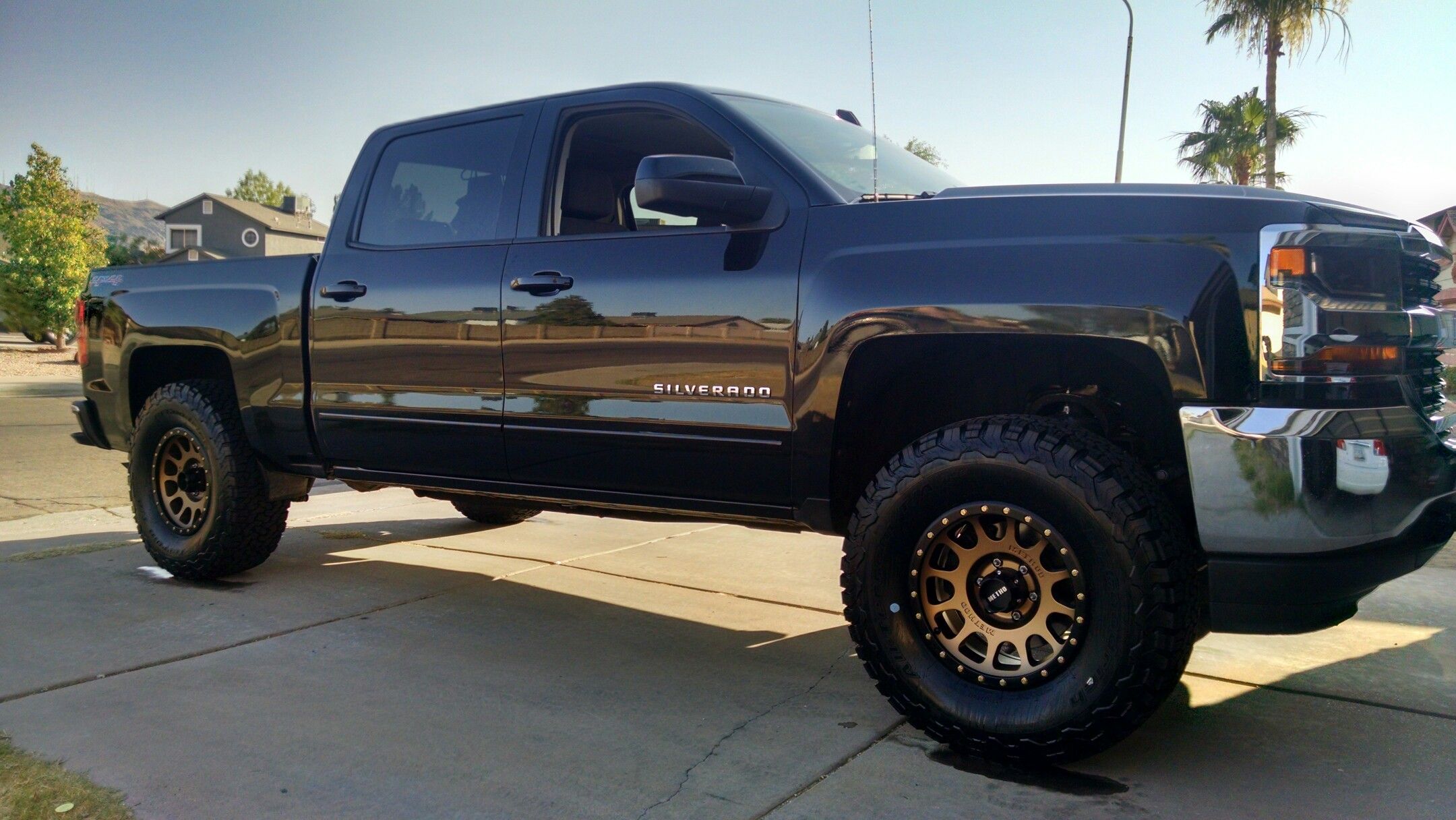
The automotive world is driven by aesthetics and performance, often intertwined. One popular customization choice for trucks, especially those with a black paint job, is the addition of bronze wheels. This combination isn't just about looks; it’s a statement. But beyond the visual appeal, there are practical and technical considerations that enthusiasts, mechanics, and automotive professionals should be aware of.
The Allure of Bronze on Black
The pairing of bronze wheels with a black truck body offers a striking contrast. Black, inherently a color of stealth and sophistication, provides a neutral backdrop that allows the bronze wheels to pop. The warmth of the bronze color, typically ranging from light gold-bronze to deeper, almost copper-like hues, adds a touch of luxury and ruggedness simultaneously. This combination works exceptionally well on a variety of truck styles, from sleek street trucks to off-road beasts.
Beyond the aesthetic, the popularity of bronze wheels on black trucks reflects current trends in automotive customization. It’s a departure from traditional chrome or silver wheels, offering a more unique and personalized look. The growing availability of bronze wheels in various styles and sizes has also contributed to its widespread adoption.
Technical Considerations: Wheel Materials and Finishes
When choosing bronze wheels for a black truck, it's crucial to understand the different materials and finishes available. This affects not only the appearance but also the durability, performance, and maintenance of the wheels.
Wheel Materials:
- Aluminum Alloy Wheels: The most common type, offering a good balance of strength, weight, and cost. Aluminum alloys can be cast, forged, or flow-formed. Casting is the most affordable method, while forging produces the strongest and lightest wheels. Flow forming is a compromise between the two, offering improved strength over casting at a lower cost than forging. When considering aluminum alloy, pay attention to the specific alloy used (e.g., A356.2) as this indicates its composition and properties.
- Steel Wheels: Primarily used for off-road applications or as winter wheels due to their durability and lower cost. Steel wheels are heavier than aluminum alloys, impacting fuel economy and handling. They are also more susceptible to rust. Bronze-painted steel wheels are available, offering the desired aesthetic with the robustness of steel.
- Carbon Fiber Wheels: While rare and extremely expensive, carbon fiber wheels offer the ultimate in weight reduction and performance. They are significantly lighter than aluminum alloys, improving acceleration, braking, and handling. However, their fragility makes them less suitable for off-road use.
Wheel Finishes:
- Powder Coating: A dry finishing process where electrically charged powder is sprayed onto the wheel and then baked in an oven. Powder coating is durable, resistant to chipping and scratching, and available in a wide range of bronze shades and textures (e.g., matte, satin, gloss).
- Anodizing: An electrochemical process that converts the metal surface into a decorative, durable, corrosion-resistant, anodic oxide finish. Anodizing provides excellent color retention and abrasion resistance. However, it's typically limited to aluminum alloys.
- Paint: Traditional liquid paint is still used, but it's less durable than powder coating or anodizing. It's more prone to chipping and scratching, requiring more frequent maintenance. However, it allows for more complex color matching and custom finishes.
Understanding these material and finish options is critical for selecting the right bronze wheels for your black truck. Consider your driving style, intended use (street vs. off-road), budget, and desired aesthetic when making your decision.
Wheel Size, Offset, and Fitment
Beyond materials and finishes, ensuring proper wheel fitment is paramount for both aesthetics and performance. Key factors include wheel size (diameter and width), offset, and bolt pattern.
- Wheel Size: The diameter of the wheel is typically measured in inches (e.g., 17", 18", 20"). The width of the wheel is also measured in inches (e.g., 8", 9", 10"). Increasing wheel size can improve handling and appearance, but it can also negatively impact ride comfort and fuel economy. Ensure the chosen wheel size is compatible with your truck's suspension and brakes.
- Offset: The offset is the distance between the wheel's mounting surface and its centerline. A positive offset means the mounting surface is closer to the outside of the wheel, while a negative offset means it's closer to the inside. Offset affects how the wheel sits within the wheel well. Incorrect offset can cause rubbing against the suspension components or fender liners.
- Bolt Pattern: The bolt pattern refers to the number of bolts and the diameter of the bolt circle. For example, a 6x139.7 bolt pattern means there are six bolts arranged in a circle with a diameter of 139.7mm. The bolt pattern must match the truck's hub for proper and safe installation.
Consulting a wheel fitment guide or a qualified tire and wheel specialist is highly recommended before purchasing new wheels. Improper fitment can lead to handling issues, tire wear, and even damage to the truck's suspension.
A real-world example: Installing a wheel with an incorrect offset can cause the tire to rub against the fender liner when turning. Over time, this can damage the fender liner and even compromise the tire's integrity. Similarly, using the wrong bolt pattern can prevent the wheel from seating properly, leading to vibrations and potential wheel failure.
Tire Selection: Complementing the Wheels
The choice of tires is just as important as the choice of wheels. The tires should complement the wheels in terms of both aesthetics and performance. Consider the following factors:
- Tire Size: The tire size must be compatible with the wheel size and the truck's overall dimensions. Increasing tire size can improve off-road performance and appearance, but it can also affect speedometer accuracy and fuel economy.
- Tire Type: Choose a tire type that matches your driving style and intended use. All-season tires are suitable for everyday driving, while all-terrain tires provide better grip on off-road surfaces. Mud-terrain tires are designed for extreme off-road conditions.
- Tire Load Rating: The tire load rating indicates the maximum weight the tire can carry. Ensure the tires have a load rating that meets or exceeds the truck's gross vehicle weight rating (GVWR).
- Tire Speed Rating: The tire speed rating indicates the maximum speed at which the tire can safely operate. Choose a tire with a speed rating that meets or exceeds the truck's top speed.
For a black truck with bronze wheels, consider the tire's sidewall design. A more aggressive sidewall pattern can enhance the rugged look, while a simpler sidewall design can create a more refined appearance.
Maintenance and Care
Maintaining the appearance of bronze wheels is crucial for preserving their aesthetic appeal and longevity. Here are some tips:
- Regular Cleaning: Wash the wheels regularly with soap and water to remove dirt, brake dust, and road grime. Use a soft brush or sponge to avoid scratching the finish.
- Wheel Sealant/Wax: Apply a wheel sealant or wax to protect the finish from oxidation and corrosion. This also makes it easier to clean the wheels.
- Avoid Harsh Chemicals: Avoid using harsh chemicals or abrasive cleaners, as they can damage the finish.
- Inspect Regularly: Inspect the wheels regularly for any signs of damage, such as cracks, bends, or chips. Address any issues promptly to prevent further damage.
For wheels with a powder-coated finish, avoid using waxes containing silicone, as they can cause discoloration over time. For anodized wheels, use a pH-neutral cleaner to prevent damage to the anodized layer.
Real-World Examples and Case Studies
Several popular truck models lend themselves particularly well to the black and bronze wheel combination. Consider the Ford F-150, often seen with matte bronze wheels and aggressive all-terrain tires, creating a rugged yet stylish look. Similarly, the Toyota Tacoma, known for its off-road capabilities, is frequently customized with dark bronze wheels and beefy mud-terrain tires. The Chevrolet Silverado, with its bold styling, can also benefit from the contrast provided by bronze wheels, especially when paired with a lift kit and larger tires.
Many aftermarket wheel manufacturers offer bronze wheels specifically designed for trucks. Companies like Method Race Wheels and Fuel Off-Road are known for their durable and stylish off-road wheels, often available in a range of bronze finishes. For street trucks, brands like Vossen and HRE Performance Wheels offer high-quality forged wheels in various bronze shades.
Conclusion
The combination of bronze wheels on a black truck is a visually appealing and increasingly popular customization choice. However, selecting the right wheels requires careful consideration of material, finish, size, offset, and tire selection. By understanding these technical aspects and following proper maintenance procedures, enthusiasts and professionals alike can ensure that their black truck stands out from the crowd while maintaining optimal performance and safety.