
Highway Tires Vs All Terrain
Choosing the right tires for your vehicle can feel like navigating a complex maze. Two of the most common choices are highway tires and all-terrain tires, each designed with specific purposes in mind. Understanding the differences between these tire types is crucial for optimizing your vehicle's performance, safety, and overall driving experience. This article will break down the key distinctions, technological aspects, and practical considerations to help you make an informed decision.
Highway Tires: The Road Trip Champion
Highway tires, also known as touring tires, are engineered for smooth, quiet, and efficient driving on paved roads. They prioritize comfort, fuel economy, and long tread life, making them ideal for everyday commuting and long-distance travel. Think of them as the comfortable running shoes of the tire world.
Tread Design and Compound
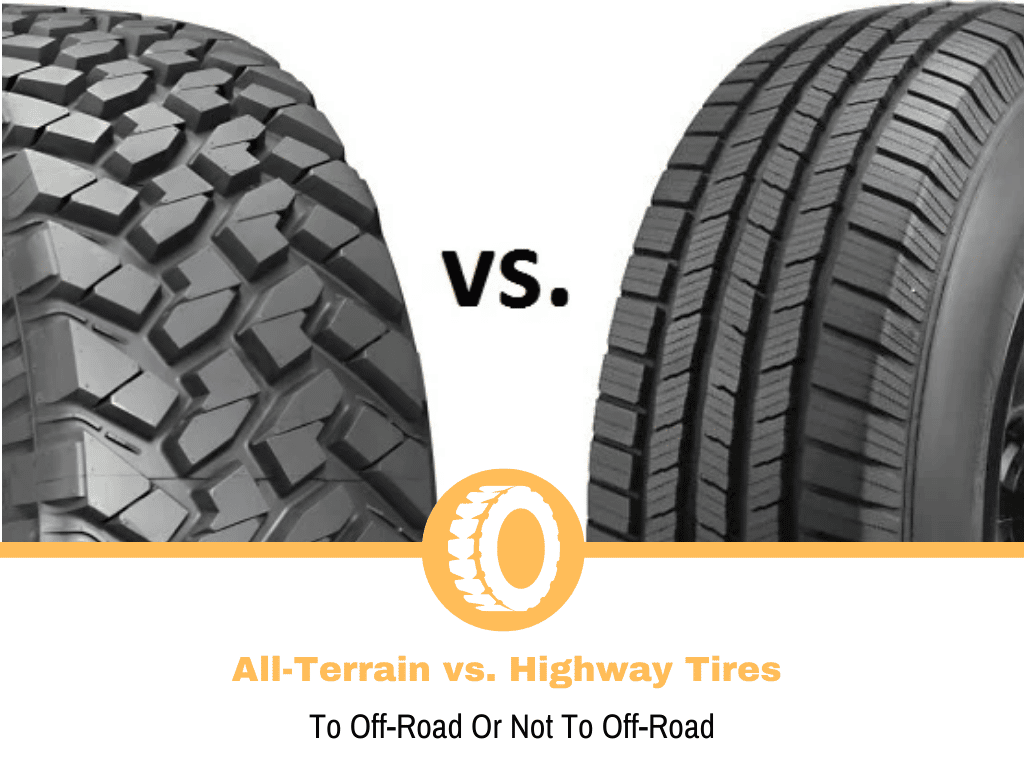
The tread pattern on a highway tire typically features circumferential ribs and closely spaced blocks. These design elements maximize the contact area with the road surface, resulting in improved stability, handling, and braking performance. The ribs channel water away from the tire, reducing the risk of hydroplaning in wet conditions. The closely spaced blocks minimize road noise and promote even wear across the tire surface.
The rubber compound used in highway tires is often formulated for low rolling resistance. This means that the tire requires less energy to roll, leading to improved fuel efficiency. While maximizing grip isn't the primary goal, reputable highway tires still provide ample traction for typical driving conditions.
Example: Consider the Bridgestone Turanza QuietTrack, a popular highway tire. It boasts a sophisticated tread design with noise-reducing technology and a compound optimized for long wear and fuel efficiency. These tires are often found as original equipment on sedans like the Toyota Camry or Honda Accord, vehicles known for their comfort and fuel economy.
Construction and Performance
Highway tires generally have a more flexible sidewall construction than all-terrain tires. This contributes to a smoother, more comfortable ride, absorbing bumps and road imperfections effectively. However, this flexibility can also mean that they are more susceptible to damage from potholes or sharp objects on unpaved roads.
In terms of performance, highway tires excel in dry and wet conditions on paved surfaces. Their handling is typically precise and predictable, providing confidence-inspiring control. However, they are not designed for off-road use and will struggle in mud, snow, or rocky terrain. The shallow tread depth and lack of aggressive biting edges limit their ability to grip loose surfaces.
All-Terrain Tires: The Versatile Explorer
All-terrain (AT) tires are designed to provide a balance between on-road comfort and off-road capability. They are a popular choice for SUVs, trucks, and other vehicles that see a mix of paved and unpaved roads. Think of them as the hiking boots of the tire world – capable of tackling various terrains but not necessarily optimized for any single one.
Tread Design and Compound
The most distinguishing feature of an all-terrain tire is its aggressive tread pattern. Large, widely spaced tread blocks provide biting edges for traction in mud, sand, and snow. The void ratio (the amount of space between the tread blocks) is typically higher than that of a highway tire, allowing the tire to clear mud and debris more effectively.
Many all-terrain tires also feature stone ejectors – small ridges or grooves in the tread that help to prevent rocks from becoming lodged in the tire. This protects the tire casing from damage and maintains optimal traction.
The sidewalls of all-terrain tires are often reinforced to resist punctures and abrasions. This is particularly important for off-road driving, where the tires are more likely to encounter sharp rocks and other hazards.
The rubber compound used in all-terrain tires is typically more durable and cut-resistant than that of highway tires. However, this often comes at the expense of fuel efficiency and ride comfort. All-terrain tires tend to have a higher rolling resistance, which can negatively impact gas mileage.
Example: The BFGoodrich All-Terrain T/A KO2 is a well-known and respected all-terrain tire. Its aggressive tread pattern, durable sidewall construction, and long-lasting compound make it a popular choice for trucks like the Ford F-150 or Jeep Wrangler. While it provides excellent off-road performance, drivers should expect a noticeable increase in road noise compared to a highway tire.
Construction and Performance
All-terrain tires typically have a stiffer sidewall construction than highway tires. This improves handling and stability on unpaved roads, but it can also result in a firmer, less comfortable ride on paved surfaces. The stiffer sidewalls also contribute to the tire's load-carrying capacity, making them suitable for trucks and SUVs that are used for towing or hauling.
In terms of performance, all-terrain tires offer a significant advantage over highway tires in off-road conditions. Their aggressive tread pattern provides superior traction in mud, sand, and snow. However, on paved roads, all-terrain tires may exhibit reduced handling precision and increased road noise. Their braking performance may also be slightly compromised compared to highway tires, especially in wet conditions.
Key Differences Summarized
Tread Design:
Highway: Closely spaced blocks, circumferential ribs. Optimized for smooth, quiet, and efficient rolling. All-Terrain: Large, widely spaced blocks, aggressive biting edges. Optimized for traction on loose surfaces.
Sidewall Construction:
Highway: More flexible, comfortable ride. All-Terrain: Stiffer, more durable, better puncture resistance.
Rubber Compound:
Highway: Low rolling resistance, optimized for fuel efficiency. All-Terrain: More durable, cut-resistant, longer tread life (potentially at the expense of fuel economy).
Performance:
Highway: Excellent on-road handling, quiet ride, good fuel economy. Poor off-road performance. All-Terrain: Good off-road traction, acceptable on-road performance (with compromises in noise and comfort).
Practical Takeaways and Considerations
Choosing between highway and all-terrain tires depends entirely on your driving needs and priorities. Here are some practical takeaways to help you make the right decision:
- Consider Your Driving Habits: How much time do you spend on paved roads versus unpaved roads? If you primarily drive on highways and city streets, highway tires are the better choice. If you frequently venture off-road, all-terrain tires are essential.
- Think About Your Vehicle: What type of vehicle do you drive? A sedan or small SUV will typically benefit more from highway tires, while a truck or larger SUV may be better suited for all-terrain tires.
- Evaluate Your Climate: Do you live in an area with frequent snow or ice? All-terrain tires can provide better traction in these conditions than highway tires, but dedicated winter tires are still the best option for severe winter weather.
- Don't Forget About Noise and Comfort: All-terrain tires are generally noisier and less comfortable than highway tires. If you value a quiet and smooth ride, highway tires are the preferred choice.
- Factor in Fuel Economy: All-terrain tires typically reduce fuel economy due to their higher rolling resistance. If fuel efficiency is a major concern, highway tires are the better option.
- Read Reviews: Before making a purchase, read online reviews and compare different tire models. This can provide valuable insights into the real-world performance and durability of each tire. Look specifically for reviews from drivers who have similar vehicles and driving habits to your own.
Ultimately, the best tire for your vehicle is the one that best meets your individual needs and priorities. By understanding the key differences between highway and all-terrain tires, you can make an informed decision that will enhance your driving experience and ensure your safety on the road, wherever it may lead.