
Iridium Spark Plugs Vs Copper
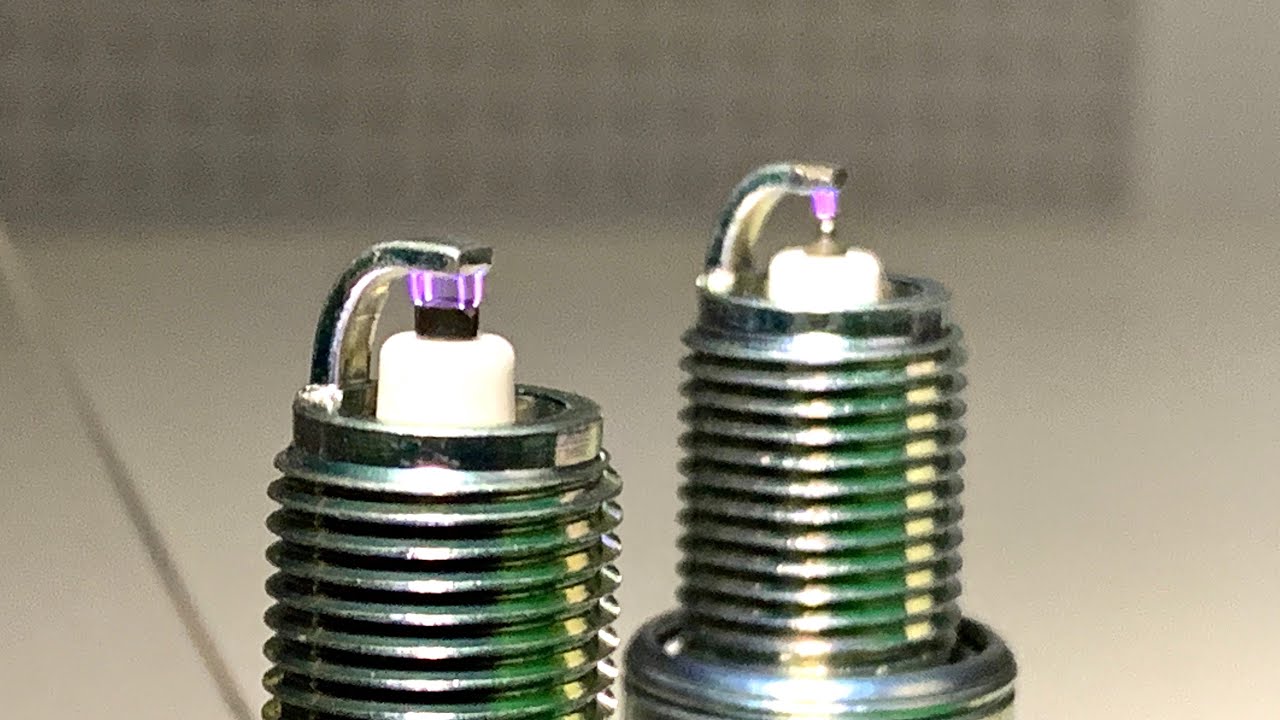
When it comes to your vehicle's performance and efficiency, seemingly small components can make a big difference. Spark plugs are one such component, responsible for igniting the air-fuel mixture that powers your engine. Two popular types of spark plugs are iridium and copper. This article will provide a comprehensive comparison of iridium spark plugs vs. copper spark plugs, helping you determine which is the best choice for your vehicle and driving needs.
Understanding Spark Plugs: A Quick Overview
Before diving into the specifics of iridium and copper plugs, let's briefly review the function of a spark plug. A spark plug is essentially an electrical conductor that creates a spark within the combustion chamber. This spark ignites the compressed air-fuel mixture, initiating the combustion process that drives the pistons and ultimately powers your car.
Key factors that affect spark plug performance include:
- Electrode Material: The material used for the electrode (the part that produces the spark) significantly impacts the plug's durability, performance, and lifespan.
- Heat Range: This refers to the plug's ability to dissipate heat. Choosing the correct heat range is crucial for optimal engine performance and preventing pre-ignition or fouling.
- Gap: The gap between the center and ground electrodes must be within the manufacturer's specifications for proper spark ignition.
Iridium Spark Plugs: The Modern Contender
Iridium spark plugs are a relatively newer technology compared to copper plugs. Iridium is an extremely hard and durable metal, making it an excellent choice for spark plug electrodes. Its high melting point and excellent electrical conductivity contribute to its superior performance.
Advantages of Iridium Spark Plugs
- Longevity: This is arguably the biggest advantage of iridium plugs. They can last significantly longer than copper plugs, often exceeding 100,000 miles. This extended lifespan reduces the frequency of replacements, saving you time and money in the long run.
- Improved Performance: Iridium plugs offer consistent and reliable performance throughout their lifespan. They maintain a stable spark gap, leading to more efficient combustion and potentially improved fuel economy.
- Better Cold Starts: The fine wire electrode design of iridium plugs requires less voltage to create a spark. This results in easier and more reliable cold starts, especially in colder climates.
- Reduced Misfires: Due to their consistent performance, iridium plugs minimize the risk of misfires, which can damage your engine and reduce fuel efficiency.
- Lower Voltage Requirement: Iridium's excellent conductivity means the ignition system doesn't have to work as hard to generate a spark.
Disadvantages of Iridium Spark Plugs
- Higher Cost: Iridium spark plugs are generally more expensive than copper plugs. This is due to the cost of the iridium material and the more complex manufacturing process.
- Not Always Necessary: While iridium plugs offer superior performance, they may not be necessary for all vehicles, particularly older models designed for copper plugs. Check your vehicle's owner's manual to determine the recommended spark plug type.
Copper Spark Plugs: The Reliable Classic
Copper spark plugs are the oldest and most traditional type of spark plug. They feature a nickel-alloy electrode with a copper core. They are known for their excellent conductivity and affordability.
Advantages of Copper Spark Plugs
- Affordability: Copper plugs are the most budget-friendly option. They are significantly cheaper than iridium or platinum plugs.
- Excellent Conductivity: Copper is an excellent conductor of electricity, ensuring a strong and reliable spark.
- Suitable for Older Vehicles: Many older vehicles were originally designed with copper spark plugs, and they may be the best choice for optimal performance in these models.
- Quick Heat Transfer: Copper's thermal conductivity helps dissipate heat quickly, reducing the risk of pre-ignition.
Disadvantages of Copper Spark Plugs
- Shorter Lifespan: This is the biggest drawback of copper plugs. They typically last only 20,000 to 30,000 miles, requiring more frequent replacements.
- Less Consistent Performance: As the copper electrode wears down, the spark gap widens, leading to less consistent performance and potentially reduced fuel economy.
- Higher Voltage Requirement: Copper plugs require more voltage to create a spark compared to iridium plugs, potentially putting more strain on the ignition system.
- More Frequent Maintenance: The shorter lifespan means more frequent maintenance and spark plug replacements.
Iridium vs. Copper: A Side-by-Side Comparison Table
To further illustrate the differences between iridium and copper spark plugs, here's a comparison table:
| Feature | Iridium Spark Plugs | Copper Spark Plugs |
|---|---|---|
| Lifespan | 100,000+ miles | 20,000-30,000 miles |
| Cost | Higher | Lower |
| Performance | Consistent and reliable | Decreases over time |
| Fuel Efficiency | Potentially improved | May decrease over time |
| Cold Starts | Easier | May be more difficult |
| Voltage Requirement | Lower | Higher |
| Best Suited For | Modern vehicles, high-performance engines | Older vehicles, budget-conscious drivers |
Which Spark Plug is Right for You?
The best choice between iridium spark plugs vs. copper spark plugs depends on several factors, including your vehicle type, driving habits, and budget.
- Consider Iridium if: You have a newer vehicle that specifies iridium plugs, you prioritize longevity and consistent performance, and you are willing to pay a higher upfront cost. If you drive a lot and want to minimize maintenance, iridium is a strong contender. Also, if you have a forced induction engine (turbocharged or supercharged) iridium is often a better choice due to its ability to withstand higher cylinder pressures and temperatures.
- Consider Copper if: You have an older vehicle that was originally designed with copper plugs, you are on a tight budget, and you don't mind replacing the plugs more frequently. If you drive your car infrequently, the shorter lifespan of copper plugs may not be a significant concern.
Important Note: Always consult your vehicle's owner's manual or a qualified mechanic to determine the recommended spark plug type and heat range for your specific vehicle. Using the wrong spark plug can negatively impact performance and potentially damage your engine.
Beyond Material: Other Spark Plug Considerations
While the electrode material is a primary factor, other aspects of spark plugs are also important:
Spark Plug Gap
The spark plug gap is the distance between the center electrode and the ground electrode. It's crucial that this gap is within the manufacturer's specifications. Too small of a gap can result in a weak spark, while too large of a gap can prevent the spark from jumping altogether. A proper spark plug gap is crucial for optimal combustion.
Heat Range
The heat range refers to the spark plug's ability to dissipate heat from the combustion chamber. A "hotter" plug retains more heat, while a "colder" plug dissipates heat more quickly. Selecting the correct heat range is vital for preventing pre-ignition (knocking) or fouling (carbon buildup). Again, consult your vehicle's manual or a mechanic to determine the correct heat range.
Electrode Design
Different electrode designs can affect spark plug performance. Fine-wire electrodes, commonly found in iridium plugs, require less voltage to create a spark and can improve cold starts. Projected core nose designs extend the electrode further into the combustion chamber, potentially improving combustion efficiency.
Conclusion: Making an Informed Choice
Choosing between iridium spark plugs vs. copper spark plugs requires careful consideration of your vehicle's needs and your budget. Iridium plugs offer superior longevity and consistent performance, making them a worthwhile investment for many modern vehicles. Copper plugs, on the other hand, remain a viable and affordable option for older vehicles and budget-conscious drivers. By understanding the advantages and disadvantages of each type, you can make an informed decision that will optimize your vehicle's performance and keep it running smoothly for years to come.
Remember to always consult your vehicle's owner's manual or a qualified mechanic before making any changes to your vehicle's spark plugs.