
Is A Toyota Tundra A 3 4 Ton
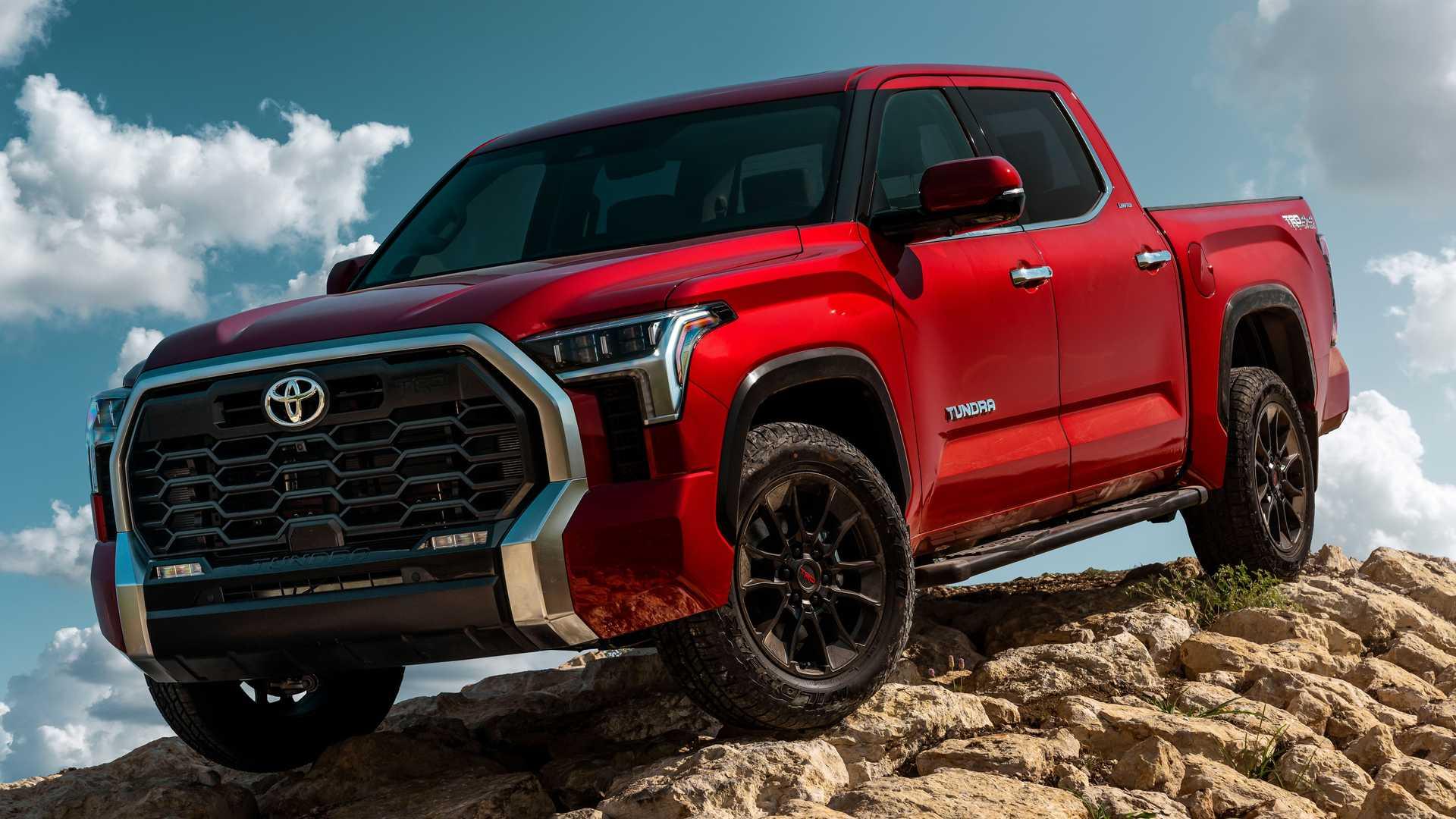
The question of whether the Toyota Tundra qualifies as a "3/4-ton" truck is a recurring one, often debated in online forums and workshops alike. While the Tundra boasts impressive capabilities and has a loyal following, its classification isn't quite as straightforward as simply labeling it a 3/4-ton. Let's delve into the details, examining payload capacities, towing capabilities, and historical context to understand where the Tundra truly stands in the pickup truck hierarchy.
Understanding Truck Classifications: A Brief Primer
Before dissecting the Tundra, it’s crucial to understand how trucks are classified. These classifications are generally based on their Gross Vehicle Weight Rating (GVWR), which is the maximum allowable weight of the vehicle, including the vehicle itself, passengers, cargo, and fluids. While not a perfect system, it provides a general guideline.
- Half-Ton Trucks: These include trucks like the Ford F-150, Chevrolet Silverado 1500, and Ram 1500. They generally have a GVWR around 6,000 to 7,000 lbs and are designed for everyday use and moderate hauling.
- Three-Quarter Ton Trucks: These are heavier-duty trucks such as the Ford F-250, Chevrolet Silverado 2500HD, and Ram 2500. GVWR usually ranges from 8,500 to 10,000 lbs, offering increased payload and towing capabilities.
- One-Ton Trucks: Represented by the Ford F-350, Chevrolet Silverado 3500HD, and Ram 3500, these trucks have GVWRs exceeding 10,000 lbs and are built for the most demanding tasks.
Historically, these classifications were more directly related to the truck's payload capacity in tons. A half-ton truck was theoretically designed to carry 1,000 lbs of payload. However, modern trucks often exceed these historical payload ratings. The classifications have largely become marketing terms and industry standards rather than strict indicators of carrying capacity.
The Toyota Tundra: Specs and Capabilities
The Toyota Tundra, since its inception, has primarily competed in the half-ton truck segment. Let's examine the current generation's key specifications:
- GVWR: Typically ranges from approximately 7,375 to 7,850 lbs, depending on the configuration (cab style, bed length, 4x2 or 4x4).
- Payload Capacity: Varies depending on configuration, but generally falls between 1,500 and 1,940 lbs. This figure can fluctuate significantly based on trim level and added options. Heavier trim levels often sacrifice payload.
- Towing Capacity: Current models can tow up to 12,000 lbs when properly equipped. Earlier generations had lower towing capacities.
These figures clearly position the Tundra within the half-ton category. Its GVWR is lower than typical 3/4-ton trucks, and while its towing capacity is respectable, its payload capacity is notably less than that of a true 3/4-ton.
Why the Confusion?
So, why the persistent debate about the Tundra's classification? Several factors contribute to this confusion:
- Robust Build Quality: The Tundra has a reputation for reliability and durability. Its strong frame and powertrain often give the impression of a heavier-duty truck. Many owners praise its longevity and ability to withstand demanding conditions, leading them to believe it’s more capable than a typical half-ton.
- Marketing and Perception: Toyota has often marketed the Tundra as a capable and rugged truck, emphasizing its off-road prowess and towing capabilities. This marketing, combined with the truck's overall presence, can blur the lines between half-ton and 3/4-ton trucks in consumers' minds.
- Towing Capacity Race: The towing capacity wars among truck manufacturers have also played a role. While the Tundra boasts impressive towing numbers, it's important to remember that towing capacity doesn't tell the whole story. Payload capacity and GVWR are equally important factors in determining a truck's overall capability.
Real-World Performance and Comparisons
To illustrate the differences, let's compare the Tundra to a typical 3/4-ton truck:
| Feature | Toyota Tundra (Typical) | Ford F-250 (Typical) |
|---|---|---|
| GVWR | 7,375 - 7,850 lbs | 10,000 - 11,500 lbs |
| Payload Capacity | 1,500 - 1,940 lbs | 2,000 - 4,000 lbs (depending on configuration) |
| Towing Capacity | Up to 12,000 lbs | Up to 20,000 lbs (depending on configuration) |
As the table shows, the F-250, representative of a 3/4-ton truck, offers significantly higher GVWR, payload capacity, and towing capacity. This translates to a greater ability to handle heavy loads and more demanding tasks. While a Tundra can tow a boat or a camper trailer effectively, a 3/4-ton truck is better suited for hauling heavy equipment, large amounts of construction materials, or towing larger trailers for extended periods.
Maintenance and Reliability Considerations
One area where the Tundra often shines is in reliability and maintenance costs. Toyota trucks, in general, have a strong reputation for requiring less frequent and less expensive repairs compared to their domestic counterparts. The i-FORCE engine, in particular, is known for its longevity. However, this shouldn't be mistaken for increased load carrying capacity.
Common Tundra maintenance items include:
- Regular oil changes (every 5,000-10,000 miles, depending on driving conditions)
- Brake service (pads and rotors typically last 50,000-70,000 miles)
- Fluid flushes (transmission, coolant, power steering)
- Occasional replacement of wear items like belts, hoses, and sensors.
While generally reliable, the Tundra isn't without its potential issues. Some owners have reported problems with the air injection pump, which can lead to expensive repairs. Rust can also be a concern in certain climates, particularly on older models. Proper undercoating and rust prevention measures are recommended.
Modifications and Upgrades
While the Tundra isn't a 3/4-ton truck from the factory, some owners attempt to increase its capabilities through modifications. Common upgrades include:
- Suspension Upgrades: Adding heavy-duty springs, shocks, and airbags can improve payload capacity and ride quality when hauling heavy loads. However, it's crucial to remember that these upgrades don't change the truck's GVWR. Overloading the vehicle beyond its GVWR can still lead to safety issues and potential damage.
- Towing Accessories: Weight distribution hitches and sway control devices can improve towing stability and safety, especially when towing larger trailers.
- Brake Upgrades: Installing larger brake rotors and calipers can improve braking performance, particularly when towing.
It's important to consult with a qualified mechanic or suspension specialist before making any modifications to your Tundra. Ensure that any upgrades are properly installed and that you understand the limitations of the vehicle after the modifications.
Conclusion: A Capable Half-Ton, Not a 3/4-Ton
In conclusion, while the Toyota Tundra is a highly capable and reliable pickup truck with impressive towing capabilities, it is fundamentally a half-ton truck. Its GVWR and payload capacity fall within the half-ton classification, and it lacks the heavier-duty components and higher load-carrying capacity of true 3/4-ton trucks. For most everyday tasks, light to moderate hauling, and recreational towing, the Tundra is an excellent choice. However, for those who regularly need to haul heavy loads or tow large trailers, a dedicated 3/4-ton truck remains the more appropriate option.
Understanding the Tundra's limitations is key to ensuring safe and reliable operation. By properly assessing your needs and choosing the right truck for the job, you can avoid overloading the vehicle and ensure its longevity. The Tundra is a great truck, but it's crucial to acknowledge its position in the pickup truck landscape.