
Low Profile All Terrain Tires
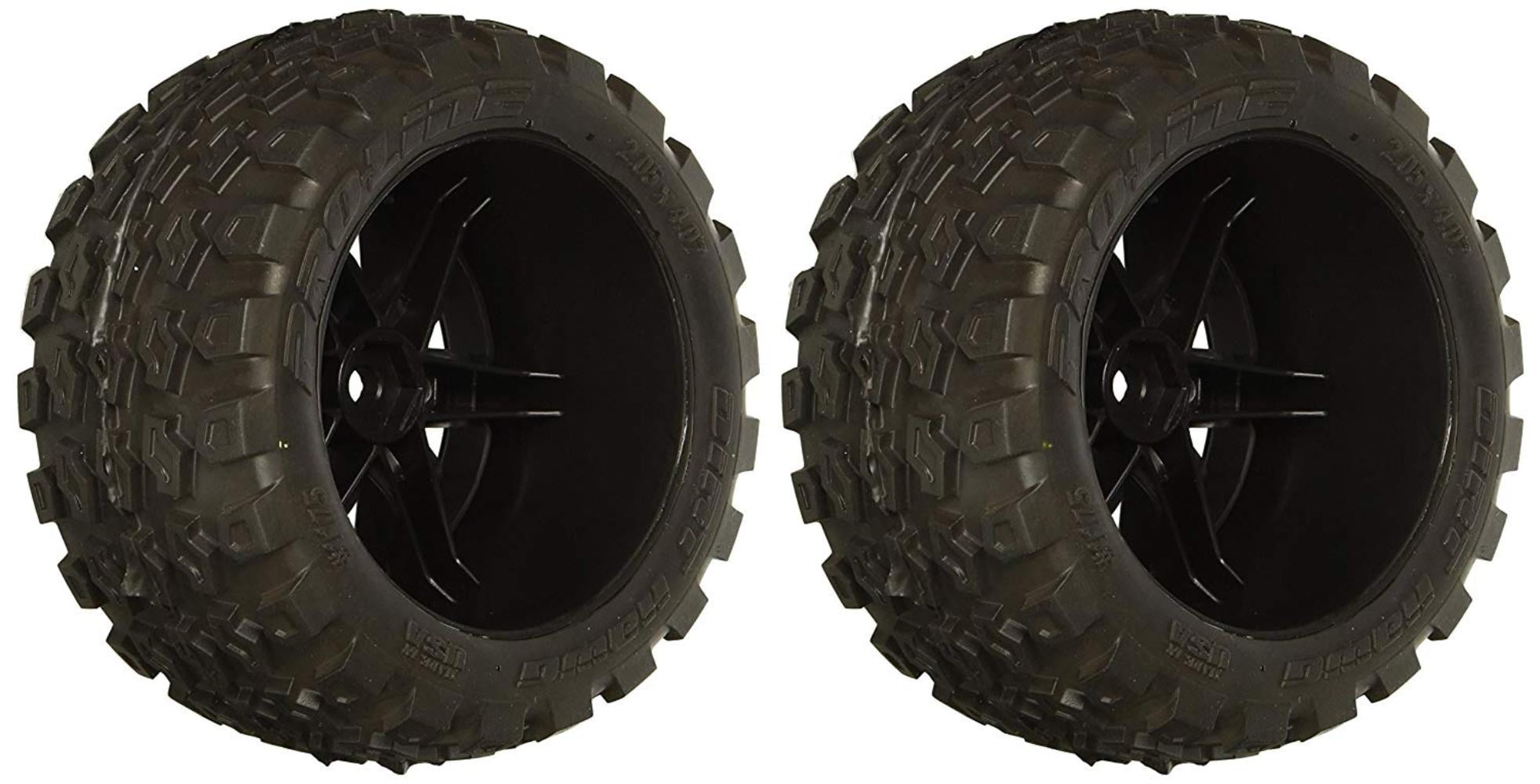
The automotive landscape is constantly evolving, and one area seeing significant innovation is tire technology. Traditionally, all-terrain (AT) tires have been associated with taller sidewalls for enhanced off-road performance and rock crawling capability. However, a new breed of tire, the low-profile all-terrain, is gaining traction, blurring the lines between on-road comfort and off-road competence. This article delves into the technical specifications, engineering choices, real-world performance, comparisons, and future trends of these increasingly popular tires.
Technical Specifications and Engineering Choices
Low-profile all-terrain tires, as the name suggests, feature a shorter sidewall height compared to their traditional counterparts. This reduced sidewall significantly impacts several key performance characteristics. While a taller sidewall allows for greater air volume to absorb impacts and provides a larger contact patch when aired down for off-road traction, a shorter sidewall offers enhanced on-road handling, stability, and steering response. Common aspect ratios for these tires range from 50 to 65, often found on larger diameter wheels (18 inches and above).
Tread Design and Compound
The tread design of a low-profile AT tire is a crucial element influencing its overall performance. Manufacturers often employ a moderately aggressive tread pattern with tightly packed lugs and shallower grooves compared to dedicated off-road tires. This design aims to balance on-road noise and rolling resistance with acceptable off-road grip. The tread compound is also a significant factor. Formulations prioritize a compromise between wear resistance for highway miles and sufficient grip in wet and dry conditions, as well as moderate off-road terrain. Silica-enhanced compounds are frequently used to improve wet traction and reduce rolling resistance, enhancing fuel efficiency.
Internal Construction
The internal construction of a low-profile AT tire is designed to provide structural rigidity and durability. This typically involves multiple plies of polyester or nylon reinforcing the tire's carcass. Some manufacturers also incorporate steel belts for added puncture resistance and load-carrying capacity. The sidewall construction is particularly important in low-profile designs, as it plays a vital role in handling and stability. Stiffer sidewalls are generally preferred for improved cornering performance, but this can come at the expense of ride comfort. Advanced construction techniques, such as spiral-wrapped nylon reinforcement, are employed to optimize the balance between stiffness and compliance.
Real-World Performance: On-Road vs. Off-Road
The primary advantage of low-profile AT tires lies in their on-road performance. The shorter sidewall reduces flex, resulting in more precise steering and improved handling, especially at higher speeds. The ride quality, while firmer than that of tires with taller sidewalls, is often more stable and less prone to body roll. Noise levels are generally lower, and rolling resistance is reduced, contributing to improved fuel economy. However, these on-road benefits come with compromises off-road. The limited sidewall height reduces the tire's ability to absorb impacts, making it less suitable for challenging terrain such as rocky trails or deep mud. Airing down options are also limited, as the shorter sidewall is more susceptible to pinch flats and sidewall damage.
Testing and Evaluation
Several factors are considered when evaluating the real-world performance of low-profile AT tires. On-road testing focuses on handling, braking, noise levels, and ride comfort. Off-road testing assesses traction in various conditions, including gravel, sand, mud, and rocks. Durability testing evaluates the tire's resistance to punctures, cuts, and abrasions. Consumer reviews and independent testing reports provide valuable insights into the real-world performance of different tire models.
Comparison with Alternatives
Traditional All-Terrain Tires
Traditional all-terrain tires with taller sidewalls offer superior off-road performance due to their greater air volume, larger contact patch when aired down, and increased sidewall flex. They excel in challenging terrain but often suffer from reduced on-road handling, increased noise levels, and higher rolling resistance. They are the preferred choice for dedicated off-road enthusiasts.
Highway Terrain Tires
Highway terrain (HT) tires prioritize on-road comfort, low noise levels, and fuel efficiency. They feature a less aggressive tread pattern and a softer compound, making them ideal for everyday driving on paved roads. However, their off-road capabilities are limited, and they are not suitable for anything beyond light gravel or dirt roads.
Mud-Terrain Tires
Mud-terrain (MT) tires are designed for extreme off-road conditions, featuring large, aggressive lugs and a robust construction for maximum traction in mud, rocks, and other challenging terrain. However, they are notoriously noisy on the road, offer poor handling, and wear quickly.
Pros and Cons of Low Profile All-Terrain Tires
Pros:
- Improved on-road handling and stability
- Reduced noise levels
- Lower rolling resistance (improved fuel economy)
- Enhanced steering response
- Aesthetically pleasing on modern SUVs and trucks
Cons:
- Reduced off-road performance compared to traditional AT tires
- Limited airing down options
- Firmer ride quality
- Increased risk of sidewall damage in challenging terrain
- Potentially higher cost compared to standard AT tires
Reliability Aspects and Maintenance Tips
The reliability of low-profile AT tires depends on several factors, including the quality of the tire, driving conditions, and maintenance practices. Regular tire pressure checks are crucial to ensure optimal performance and prevent premature wear. Maintaining proper alignment and suspension components helps prevent uneven wear. Periodic tire rotations extend tire life and maintain balanced handling. Inspecting the tires regularly for cuts, bulges, or other damage is essential for safety. Because of the decreased sidewall, these tires are more prone to sidewall damage, so cautious driving in off-road environments is essential. Additionally, selecting a tire with a good sidewall protection rating can provide an extra layer of safety.
Future Trends
The future of low-profile all-terrain tires is likely to be shaped by several key trends. Advancements in tire technology will lead to improved tread compounds, construction techniques, and tread designs that offer better on-road and off-road performance. Expect to see more use of computer-aided design (CAD) and finite element analysis (FEA) to optimize tire performance characteristics. The growing popularity of SUVs and trucks will drive demand for low-profile AT tires that offer a balance of style and capability. Hybrid and electric vehicles are also influencing tire development. Tires designed specifically for EVs, often incorporating low-rolling-resistance compounds and noise-canceling technologies, are becoming increasingly common. Self-inflating tire technology could also mitigate some of the drawbacks associated with the smaller sidewall, maintaining optimal pressures for varying terrain.
Forward-Looking Note
The automotive industry is undergoing a massive transformation, driven by electrification, autonomous driving, and connectivity. Tire technology will play a crucial role in this future. As vehicles become more sophisticated, tires will need to adapt to new demands, such as increased load capacity, reduced rolling resistance, and enhanced safety features. The development of smart tires that can communicate with the vehicle's systems will further enhance safety and performance. These tires will be able to monitor tire pressure, temperature, and wear, providing real-time data to the driver and the vehicle's control systems. The evolution of low-profile all-terrain tires is a testament to the industry's commitment to innovation and its ability to meet the changing needs of drivers. As technology continues to advance, we can expect to see even more sophisticated and versatile tires that enhance the driving experience and improve vehicle safety.