
Rubbing Compound On Car Paint
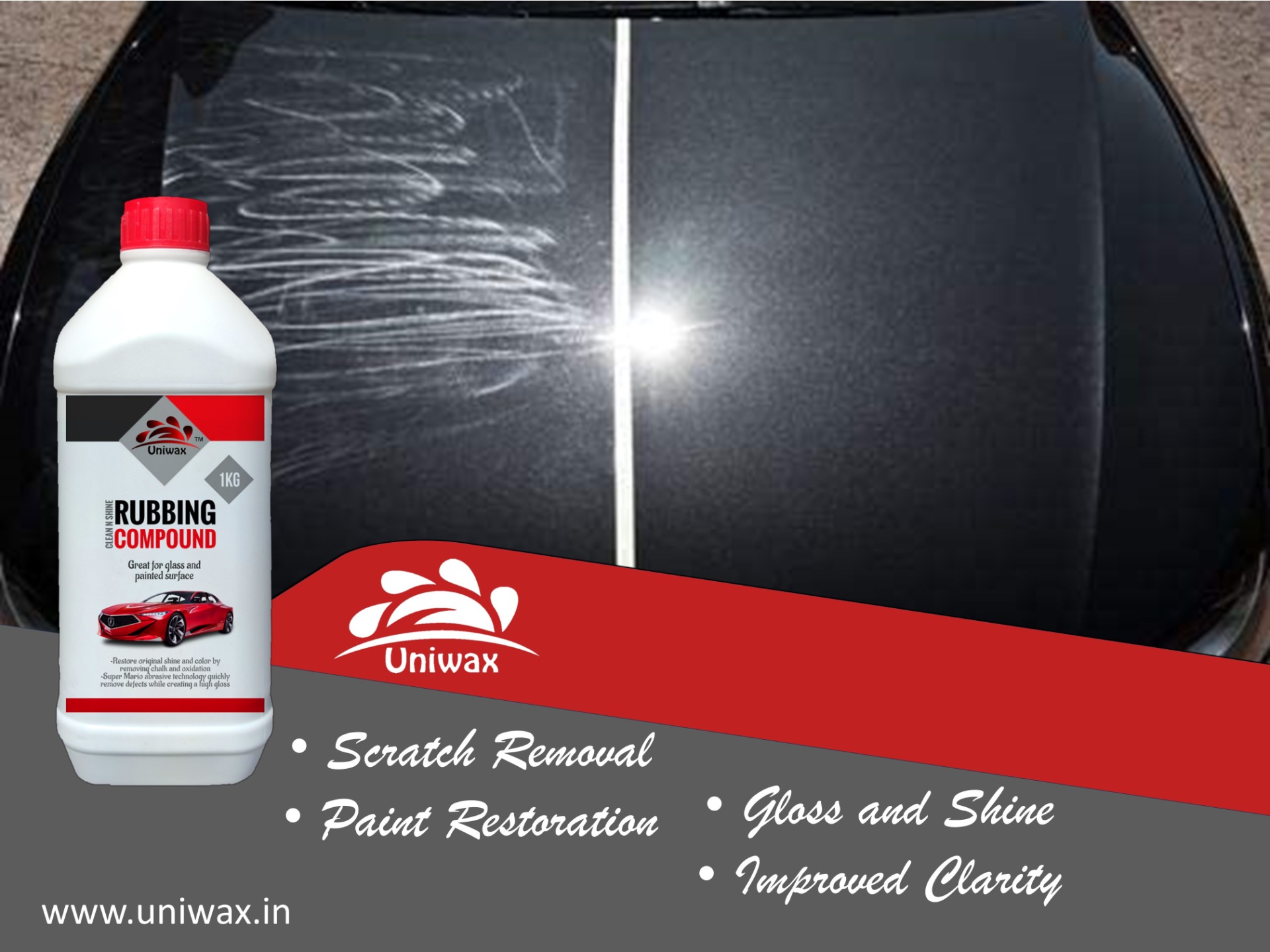
For any car enthusiast, the quest for a flawless paint job is unending. Whether you're restoring a classic Mustang, maintaining the shine of a modern BMW, or just trying to keep your daily driver looking its best, understanding paint correction is crucial. And at the heart of paint correction lies the often-misunderstood, but incredibly effective, rubbing compound.
What is Rubbing Compound and Why Use It?
Rubbing compound is an abrasive material designed to remove imperfections from your car's clear coat. Think of it like very fine sandpaper, but in liquid form. The "abrasiveness" is the key here. It contains tiny particles that literally grind away a microscopic layer of the clear coat to level out imperfections. These imperfections can include:
- Swirl Marks: Those unsightly, circular scratches caused by improper washing or detailing techniques. Think of the swirling patterns you see on the paint of a black Honda Civic that's been washed at an automatic car wash.
- Scratches: Light scratches from branches, keying incidents (sadly), or even just brushing against clothing.
- Oxidation: That dull, faded look on older cars, often seen on red or black vehicles like classic Corvettes. Oxidation is caused by UV exposure and pollutants.
- Water Spots: Etched-in water spots that detailing sprays and even polishes can't remove. These often appear on darker colored cars like Tesla Model S.
- Orange Peel: This refers to the uneven texture of the paint, resembling the surface of an orange. It often appears on factory paint jobs, even on high-end cars like Porsche 911s.
Rubbing compound works by gently removing the damaged or uneven layer of the clear coat until you reach a smooth, level surface. This level surface then reflects light evenly, resulting in a restored shine and improved appearance.
Understanding the Clear Coat
Before we dive deeper, it's essential to understand the clear coat. The clear coat is the final layer of paint applied to your car. It's a transparent layer that protects the color coat underneath from UV rays, scratches, and other environmental damage. Its primary purpose is to give your car its gloss and shine.
The clear coat is relatively thin, typically ranging from 1.5 to 2 mils (thousandths of an inch). Removing too much clear coat is a serious risk, as you can expose the color coat underneath, which is not designed to withstand direct exposure. This is why using rubbing compound requires careful technique and understanding.
Types of Rubbing Compound
Rubbing compounds come in various levels of abrasiveness, generally categorized as:
- Heavy-Cut Compounds: These are the most aggressive compounds and are used for removing severe imperfections, like deep scratches and heavy oxidation. These are generally used for cars with very damaged paint like those undergoing full restoration.
- Medium-Cut Compounds: These offer a balance between cutting power and finishing ability. They're suitable for removing moderate swirl marks, scratches, and oxidation. They're a common choice for removing everyday wear and tear.
- Fine-Cut Compounds (or Polishes): While technically a polish, fine-cut compounds are the least abrasive and are often used as a final step after using a heavier compound to refine the finish and remove any remaining swirl marks. These are also good for removing very light imperfections.
Choosing the right compound depends on the severity of the paint imperfections. Start with the least aggressive compound that can achieve the desired results. It's always better to do multiple passes with a less aggressive compound than to risk removing too much clear coat with a more aggressive one.
Applying Rubbing Compound: A Step-by-Step Guide
Applying rubbing compound requires patience, precision, and the right tools. Here's a step-by-step guide:
- Wash and Decontaminate: Thoroughly wash your car to remove dirt, grime, and any loose contaminants. Then, use a clay bar to remove any embedded contaminants that washing alone can't remove. This is crucial to prevent further scratching during the polishing process.
- Tape Off Sensitive Areas: Use painter's tape to protect delicate areas like trim, badges, and rubber seals from the abrasive compound.
- Choose Your Application Method: You can apply rubbing compound by hand or with a machine polisher. A machine polisher, like a dual-action (DA) polisher, will generally provide more consistent and efficient results, especially for larger areas. However, applying by hand is perfectly acceptable for small areas or for those who are new to paint correction.
- Apply Compound to Pad: If using a machine polisher, apply a small amount of compound to the polishing pad. If applying by hand, apply a small amount of compound directly to the paint.
- Work in Small Sections: Work in small, manageable sections (approximately 2ft x 2ft). This allows you to focus your efforts and ensure even coverage.
- Apply Moderate Pressure: Whether using a machine or applying by hand, apply moderate, even pressure. Avoid pressing too hard, as this can create excessive heat and potentially damage the paint.
- Work the Compound: Using overlapping passes, work the compound into the paint. With a machine polisher, use a moderate speed setting. With hand application, use a back-and-forth or circular motion.
- Wipe Away Residue: After working the compound, use a clean microfiber towel to wipe away the residue. Inspect the area to see if the imperfections have been removed.
- Repeat as Needed: If the imperfections are still visible, repeat the process. You may need to use a more aggressive compound if the initial compound wasn't effective.
- Follow Up with Polish: After using rubbing compound, it's essential to follow up with a polish. Polish is a less abrasive compound that refines the finish and removes any remaining swirl marks left by the rubbing compound.
- Wax or Seal: Finally, protect your newly corrected paint with a coat of wax or sealant. This will help to preserve the shine and protect the paint from environmental damage.
Tips and Cautions
Here are some crucial tips and cautions to keep in mind when using rubbing compound:
- Test in an Inconspicuous Area: Before applying rubbing compound to the entire car, always test it in a small, inconspicuous area to ensure it doesn't damage the paint.
- Don't Use on Single-Stage Paint: Rubbing compound should only be used on cars with a clear coat. Using it on single-stage paint (older cars without a clear coat) will remove the color coat.
- Keep the Pad Clean: Regularly clean your polishing pad to prevent the build-up of compound residue, which can scratch the paint.
- Avoid Excessive Heat: Excessive heat can damage the clear coat. Use a moderate speed setting on your machine polisher and avoid pressing too hard.
- Work in a Well-Ventilated Area: Rubbing compound can produce fumes. Work in a well-ventilated area to avoid inhaling these fumes.
- Know When to Stop: If you're unsure about your abilities or the condition of your paint, consult a professional detailer. It's better to be safe than sorry. Removing too much clear coat can necessitate a costly repaint.
Examples in Action
Let's look at some real-world examples:
- Restoring a Classic: Imagine you're restoring a 1967 Ford Mustang with faded, oxidized paint. A heavy-cut rubbing compound can be used to remove the oxidation and restore the paint's original color. This will be followed by polish to refine the finish and wax to protect it.
- Correcting Swirl Marks: You have a black BMW 3 Series with noticeable swirl marks from improper washing. A medium-cut rubbing compound can be used to remove the swirl marks and restore the paint's gloss. Again, follow-up with polish.
- Removing Water Spots: A Tesla Model S has etched-in water spots that won't come out with regular washing. A fine-cut compound or a dedicated water spot remover can be used to level the paint and remove the spots.
Practical Takeaways
Here are the key takeaways to help you confidently use rubbing compound on your car paint:
- Assess the Damage: Determine the severity of the paint imperfections to choose the appropriate compound.
- Start Mild: Always begin with the least aggressive compound that can achieve the desired results.
- Prepare the Surface: Thoroughly wash and decontaminate the paint before applying rubbing compound.
- Use the Right Tools: Choose the appropriate application method (hand or machine polisher) and use quality polishing pads and microfiber towels.
- Work Methodically: Work in small sections, apply even pressure, and use overlapping passes.
- Follow Up: Always follow up with a polish to refine the finish and a wax or sealant to protect the paint.
- Be Patient: Paint correction takes time and patience. Don't rush the process.
- When in Doubt, Seek Professional Help: If you're unsure about your abilities or the condition of your paint, consult a professional detailer.
By understanding the principles of rubbing compound and following these guidelines, you can confidently tackle paint correction projects and restore your car's paint to its former glory. Remember, the key is to be patient, methodical, and to always prioritize the safety of your car's clear coat.