
Spacers For Rims Good Or Bad
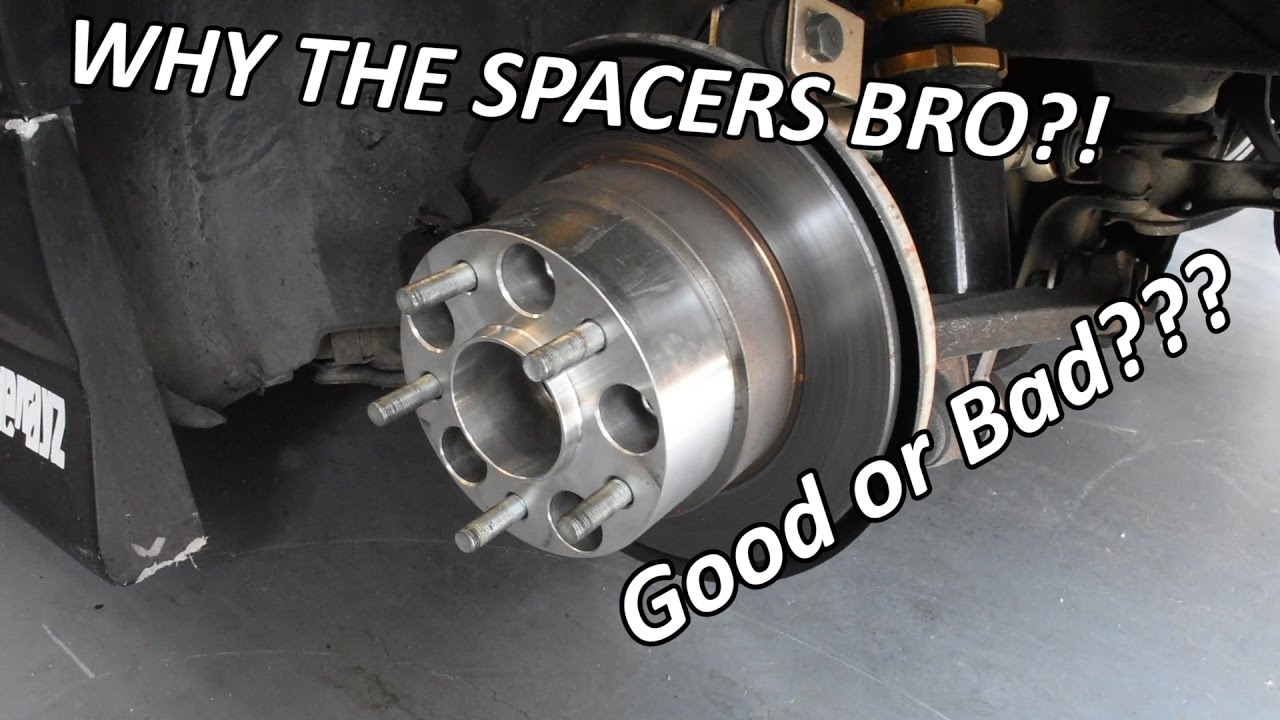
Wheel spacers, those seemingly simple discs of metal that sit between your wheel and the hub, are a subject of much debate in the automotive world. Some swear by them, citing improved aesthetics and handling, while others condemn them as dangerous shortcuts. So, are wheel spacers good or bad? The answer, as with most things automotive, is: it depends.
What Are Wheel Spacers and Why Use Them?
Essentially, a wheel spacer does exactly what its name suggests: it spaces the wheel further out from the hub. This changes the wheel offset, the distance from the wheel's mounting surface to its centerline. Spacers are typically made from aluminum or steel, and come in various thicknesses.
Here are some common reasons people use wheel spacers:
- Aesthetic Improvement: This is perhaps the most common reason. Pushing the wheels out further can give a car a more aggressive, wider stance. Think of the classic BMW M3 stance – subtly wider than the standard 3-series. Spacers can help achieve a similar look without buying new, wider wheels.
- Clearing Obstructions: Sometimes, aftermarket wheels (or even factory wheels after suspension modifications) can rub against suspension components, brake calipers, or even the inner fender. Spacers can provide the necessary clearance. For example, if you install larger Brembo brakes on a Subaru WRX, you might need spacers to ensure the stock wheels don't foul the calipers.
- Improving Handling (Potentially): Widening the track (the distance between the left and right wheels) can, in theory, improve handling by increasing stability and reducing body roll. However, this is a complex area, and the actual impact on handling depends heavily on other factors, such as suspension geometry and tire choice.
- Correcting Offset Issues: When fitting wheels from a different vehicle, the offset might be incorrect. Spacers can be used to adjust the offset to a suitable range. Imagine fitting wheels from a newer generation Honda Civic onto an older model – the offset differences might necessitate the use of spacers.
Types of Wheel Spacers: The Good, the Bad, and the Ugly
Not all wheel spacers are created equal. There are primarily two types:
Slip-On Spacers (The Potentially Problematic Ones)
These are the simplest and often cheapest type. They're just flat discs that slip over the wheel studs. They require longer wheel studs to be installed to accommodate the added thickness. This is where many problems arise.
Why they can be bad:
- Reduced Thread Engagement: If the original wheel studs are not long enough after installing the spacer, you won't have enough thread engagement to safely secure the wheel. This is a recipe for disaster – think wheel coming loose at high speed.
- Stud Failure: Over time, inadequate thread engagement can cause the studs to weaken and potentially shear off. Even with extended studs, cheap or improperly installed ones can fail.
- Vibration: If the spacer isn't perfectly flat and true, it can cause vibrations at high speeds.
When they might be acceptable (with extreme caution):
- Small Thickness: Only use slip-on spacers for very small adjustments (e.g., 3-5mm). Even then, verify you have adequate thread engagement after installation. Do not compromise on safety!
- High-Quality Construction: Ensure the spacer is made from a reputable manufacturer using high-quality materials.
Bolt-On Spacers (Also Known as Adapter Spacers - The Safer Option)
These spacers bolt directly to the hub using their own set of studs. The wheel then bolts onto the studs on the spacer. Think of it as a mini-wheel hub extension.
Why they are generally better:
- Maintain Thread Engagement: Because they bolt to the hub first, they provide a secure mounting point for the wheel with proper thread engagement.
- Increased Strength: Generally stronger than slip-on spacers, especially when made from high-quality materials.
- Less Prone to Vibration: The bolted design reduces the risk of vibration compared to slip-on spacers.
Things to consider:
- Cost: Bolt-on spacers are significantly more expensive than slip-on spacers.
- Hub-Centric vs. Lug-Centric: Always choose hub-centric spacers. These spacers have a raised lip that matches the diameter of the wheel hub, providing a precise and secure fit. Lug-centric spacers rely solely on the wheel studs for centering, which can lead to vibration and other issues.
- Quality Matters: As with slip-on spacers, buy from reputable manufacturers known for quality and safety.
The Technical Pitfalls: More Than Just Looks
Beyond the type of spacer, several technical considerations come into play:
Wheel Stud Length and Thread Engagement
This is the most crucial factor. A general rule of thumb is that you should have at least the same amount of thread engagement as the diameter of the stud. For example, if you have 12mm wheel studs, you should have at least 12mm of thread engagement. Use a thread engagement calculator or consult with a professional to determine the appropriate stud length after installing spacers. Overlooking this can lead to catastrophic wheel failure. Imagine a modified Mitsubishi Lancer Evolution with oversized brakes and poorly installed spacers - a recipe for disaster if stud length is ignored.
Suspension Geometry Changes
Changing the wheel offset with spacers affects the suspension geometry. While a wider track can improve stability, it can also introduce unwanted bump steer (where the steering wheel turns slightly when the suspension moves up and down) and alter the scrub radius (the distance between the steering axis and the tire contact patch). This can negatively impact handling, especially on vehicles with more complex suspension setups. A Porsche 911, known for its precise handling, could become twitchy and unpredictable with poorly chosen spacers.
Wheel Bearing Load
Spacing the wheels further out increases the load on the wheel bearings. This can lead to premature wear and failure. While a small spacer might not cause significant issues, larger spacers can accelerate wear, especially on vehicles that are driven hard or carry heavy loads. A truck like a Ford F-150 used for towing could experience accelerated wheel bearing wear with excessively wide spacers.
Fender Clearance
Spacers can push the wheels out so far that they rub against the fenders, especially when the suspension is compressed. This can damage the tires and fenders. Ensure you have adequate fender clearance before and after installing spacers. Rolling or pulling the fenders might be necessary to accommodate wider wheels and spacers.
Practical Takeaways: Safe Spacer Practices
If you're considering using wheel spacers, here's a checklist to help you make an informed decision:
- Determine Your Needs: Why do you want spacers? Is it purely for aesthetics, or do you need them for clearance or handling reasons?
- Choose the Right Type: Bolt-on spacers are generally safer than slip-on spacers, especially for larger adjustments.
- Measure Stud Length: Always measure the thread engagement after installing spacers. Use extended studs if necessary and torque them to the manufacturer's specifications.
- Buy Quality: Invest in high-quality spacers from reputable manufacturers. Avoid cheap, generic spacers. Companies like H&R and Eibach are known for producing quality spacers.
- Hub-Centric is a Must: Always choose hub-centric spacers for a precise and secure fit.
- Check Fender Clearance: Ensure you have adequate fender clearance to avoid rubbing.
- Consider Suspension Geometry: Be aware of the potential impact on suspension geometry and handling. Consult with a qualified mechanic if you're unsure.
- Inspect Regularly: Regularly inspect the spacers, wheel studs, and wheel bearings for any signs of wear or damage.
- Torque Properly: Use a torque wrench to tighten the wheel nuts to the manufacturer's specifications. Re-torque after the first 50-100 miles.
- Consult a Professional: If you're not comfortable installing spacers yourself, or if you have any doubts about their safety or suitability, consult with a qualified mechanic.
In conclusion, wheel spacers can be a useful tool for achieving a desired look or addressing specific fitment issues. However, they should be used with caution and only after careful consideration of the potential risks. Prioritize safety above all else. Incorrectly installed or used spacers can have catastrophic consequences. Understand the technical aspects, choose the right type of spacer, and follow safe installation practices. When in doubt, seek professional advice.