
Under The Hood Air Compressor
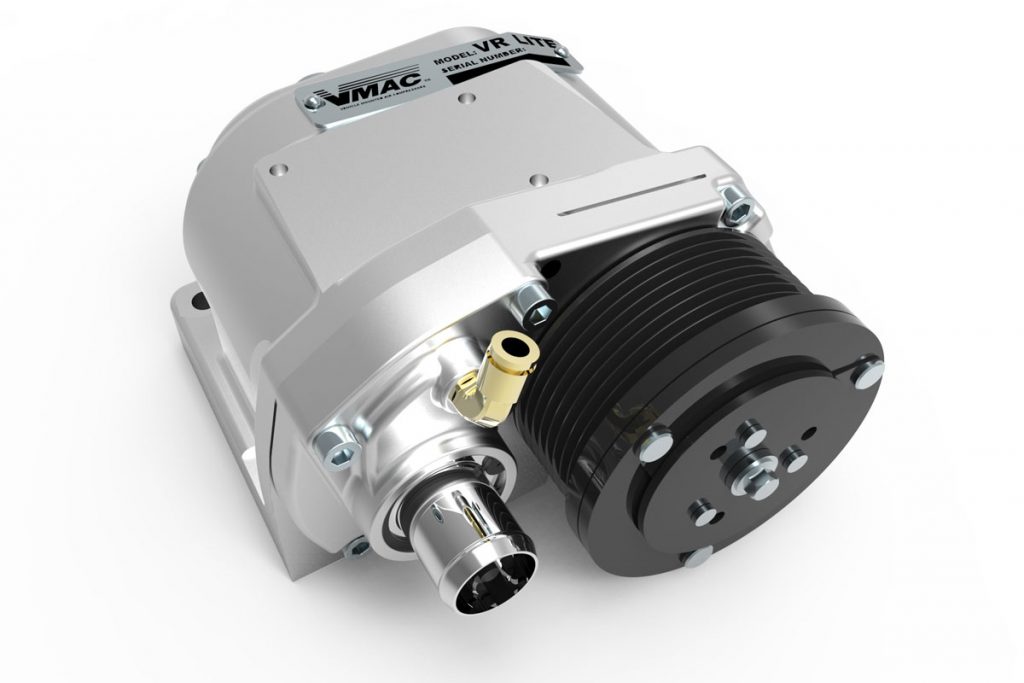
Welcome, gearheads! Today, we're diving deep under the hood to explore a system you might not think about much, but can be incredibly useful: the under-the-hood air compressor. While not standard equipment on most vehicles, these aftermarket systems are gaining popularity, especially among off-road enthusiasts, contractors, and anyone who appreciates the convenience of on-board compressed air. We'll cover the types, installation considerations, performance expectations, and maintenance required to keep your under-the-hood compressor running smoothly.
Why Install an Under-The-Hood Air Compressor?
Before we get into the technical details, let's quickly recap why you might want one of these systems. The most obvious benefit is the ability to inflate tires, especially after airing down for off-road traction. Beyond that, you can power air tools (impact wrenches, ratchets, air hammers), run air lockers in your differentials, operate air suspension systems, and even use it for general cleaning with an air nozzle. Having compressed air readily available, without relying on an external electric compressor that needs to be plugged in, or worse, struggling with manual hand pumps, is a huge advantage. Think of it as adding a versatile workshop capability directly to your vehicle.
Types of Under-The-Hood Air Compressors
There are two main types of under-the-hood air compressors:
1. Belt-Driven Compressors
These compressors are mechanically driven by the engine's serpentine belt. They're typically mounted in place of, or in addition to, another accessory like the air conditioning compressor or power steering pump. This type of compressor boasts high output potential, capable of delivering substantial airflow (measured in CFM – Cubic Feet per Minute) and pressure (PSI – Pounds per Square Inch). However, they also require more complex installation and can draw significant power from the engine, potentially impacting fuel economy.
Key features of belt-driven compressors:
- High CFM and PSI: Suitable for demanding applications like running air tools.
- Reliability: Generally very reliable due to robust construction.
- Installation Complexity: Requires careful belt alignment and potentially custom brackets. May need to modify the existing accessory drive system.
- Engine Dependence: The compressor only operates when the engine is running.
- Cost: Typically more expensive than electric compressors.
When selecting a belt-driven compressor, pay close attention to the compressor's displacement (often measured in cubic inches or liters). A larger displacement compressor will move more air per revolution, resulting in higher CFM output. Also, check the duty cycle, which indicates how long the compressor can run continuously before needing to cool down. A higher duty cycle is crucial for applications that require sustained compressed air usage.
2. Electric Compressors (Mounted Under-The-Hood)
While technically an "under-the-hood" mounting location, these are essentially standard 12V electric air compressors that are strategically placed within the engine bay. They draw power directly from the vehicle's electrical system. Compared to belt-driven units, they are generally easier to install and less expensive, but also offer lower CFM and PSI. They are well-suited for inflating tires and powering smaller air tools, but may struggle with heavy-duty applications.
Key features of electric compressors:
- Lower Cost: Significantly cheaper than belt-driven options.
- Easier Installation: Primarily involves wiring and mounting.
- Lower CFM and PSI: Limited airflow compared to belt-driven compressors.
- Electrical Load: Puts a strain on the vehicle's electrical system; may require upgrading the alternator.
- Heat Sensitivity: Prone to overheating, especially in hot engine bays. Consider models with built-in thermal protection.
For electric compressors, consider the amp draw. A compressor with a high amp draw can overload the vehicle's electrical system, potentially blowing fuses or even damaging the alternator. Ensure your alternator has sufficient capacity to handle the added load. Also, pay attention to the compressor's IP rating (Ingress Protection), which indicates its resistance to dust and water. A higher IP rating is desirable for off-road applications.
Installation Considerations
Regardless of the type you choose, installing an under-the-hood air compressor requires careful planning and execution.
Mounting Location
Finding a suitable mounting location is crucial. Consider factors such as:
- Clearance: Ensure the compressor has adequate clearance from other engine components, especially moving parts like belts and pulleys.
- Accessibility: The compressor should be accessible for maintenance and repairs.
- Vibration: Choose a location that minimizes vibration, as excessive vibration can damage the compressor over time.
- Heat: Avoid mounting the compressor near exhaust manifolds or other heat sources, especially for electric models.
- Airflow: Ensure the compressor has adequate airflow to prevent overheating.
For belt-driven compressors, custom brackets are often required to adapt the compressor to the vehicle's engine. Many manufacturers offer vehicle-specific brackets, but fabrication may be necessary in some cases.
Electrical Wiring
Proper electrical wiring is essential for both types of compressors. Use appropriately sized wiring to handle the compressor's amp draw. For electric compressors, a dedicated circuit with a fuse or circuit breaker is recommended. For belt-driven compressors, wiring is primarily for controlling the clutch, which engages and disengages the compressor.
Relays are often used to switch the compressor on and off. A relay allows a low-current switch in the cabin to control a high-current circuit to the compressor, preventing damage to the switch and providing a cleaner, more reliable installation. Consider using weatherproof connectors and terminals to protect the wiring from corrosion and moisture.
Air Lines and Fittings
The air lines and fittings used to connect the compressor to the air tank (if used) and other accessories must be rated for the compressor's maximum pressure. Use high-quality air hose and fittings that are resistant to heat, oil, and abrasion. Avoid using cheap plastic fittings, as they are prone to cracking and leaking. Use PTFE tape (Teflon tape) on threaded connections to prevent leaks.
Consider installing an air filter on the compressor's intake to prevent dust and debris from entering the system. A water separator is also a good idea, as it removes moisture from the compressed air, preventing corrosion and extending the life of air tools.
Performance Expectations
The performance of an under-the-hood air compressor depends on several factors, including the compressor's size, type, and the vehicle's engine. Belt-driven compressors generally offer higher CFM and PSI than electric compressors, but they also require more engine power.
Inflation times will vary depending on the tire size and the compressor's CFM output. A larger compressor will inflate tires more quickly. Be realistic about your expectations. A small electric compressor might take several minutes to inflate a large off-road tire.
When using air tools, the compressor's CFM output must be sufficient to meet the tool's air consumption requirements. Using a tool that requires more CFM than the compressor can deliver will result in poor performance. Always check the tool's specifications before using it with the compressor.
Maintenance
Regular maintenance is essential to keep your under-the-hood air compressor running smoothly. Check the air lines and fittings for leaks regularly. Replace any damaged or worn parts. Drain the air tank (if used) to remove moisture. Inspect the air filter and replace it as needed.
For belt-driven compressors, check the belt tension and alignment regularly. Adjust the tension as needed. Replace the belt if it is worn or cracked. For electric compressors, check the wiring and connections for corrosion. Clean the compressor's cooling fins to ensure adequate airflow.
Conclusion
Installing an under-the-hood air compressor can significantly enhance your vehicle's capabilities. By understanding the different types of compressors, installation considerations, performance expectations, and maintenance requirements, you can choose the right system for your needs and keep it running reliably for years to come. Remember to prioritize safety and consult with a qualified mechanic if you're unsure about any aspect of the installation. Happy wrenching!