
2000 Nissan Frontier Power Steering Fluid
The 2000 Nissan Frontier, a rugged and reliable compact pickup truck, relies on a hydraulic power steering system to ease the driver's effort when maneuvering the vehicle. A crucial component of this system is the power steering fluid, a specialized hydraulic fluid that transmits pressure, lubricates moving parts, and helps dissipate heat within the power steering pump and steering gear. Understanding the specifics of the power steering fluid used in the 2000 Frontier and the system it supports is key to maintaining its longevity and performance. This guide delves into the technical aspects of the 2000 Nissan Frontier's power steering fluid, exploring its function, properties, maintenance, and potential issues.
Understanding the Hydraulic Power Steering System
Before diving into the specifics of the fluid itself, it's important to understand the context of the system it operates within. The 2000 Frontier utilizes a traditional hydraulic power steering system, a closed-loop circuit that uses fluid pressure to assist the driver. The main components include:
- Power Steering Pump: Driven by the engine via a belt, the pump draws fluid from the reservoir and pressurizes it. This pressure is the source of power assistance.
- Reservoir: This tank holds the power steering fluid and allows for air to separate from the fluid.
- High-Pressure Hose: Carries the pressurized fluid from the pump to the steering gear.
- Steering Gear (or Steering Rack): Contains a valve that directs the pressurized fluid to either side of a piston, assisting in turning the wheels.
- Low-Pressure Return Hose: Returns the fluid from the steering gear back to the reservoir.
- Power Steering Cooler (if equipped): Some models may have a cooler to help dissipate heat from the fluid, particularly important in hot climates or during heavy use.
When the driver turns the steering wheel, the valve within the steering gear directs the pressurized fluid to the appropriate side of the piston. This force assists the driver in overcoming the resistance of the wheels and tires, making steering much easier, especially at low speeds. Without power steering, turning the wheel, especially when stationary, would require significantly more effort.
Power Steering Fluid Specifications and Properties
The 2000 Nissan Frontier typically specifies a Dexron III/Mercon type automatic transmission fluid (ATF) for its power steering system. Although it's an ATF, it is perfectly compatible with the power steering system's components and provides the necessary hydraulic properties. Using the correct fluid is crucial for the system's proper function and longevity. Here's a breakdown of the key properties that make Dexron III/Mercon suitable:
- Viscosity: The fluid's resistance to flow is critical. Dexron III/Mercon has a specific viscosity range designed to operate effectively within the power steering pump and gear across a range of temperatures. Too thick, and the pump will struggle to move the fluid, leading to poor performance and potential damage. Too thin, and the fluid won't provide adequate lubrication and sealing.
- Viscosity Index: This measures how much the viscosity changes with temperature. A high viscosity index means the fluid maintains its viscosity relatively well across a wide temperature range, which is essential for consistent performance in different climates.
- Lubricity: The fluid must provide adequate lubrication to minimize friction and wear between the moving parts of the pump and steering gear. Dexron III/Mercon contains additives specifically designed to reduce friction and prevent wear.
- Foam Resistance: Foaming can significantly reduce the fluid's ability to transmit pressure effectively and can lead to cavitation (the formation of vapor bubbles) within the pump, causing damage. Dexron III/Mercon contains anti-foaming agents to prevent this.
- Seal Compatibility: The fluid must be compatible with the seals and hoses used in the power steering system. Incompatible fluids can cause seals to swell, shrink, or degrade, leading to leaks and system failure.
- Corrosion Resistance: The fluid must protect the metal components of the power steering system from corrosion. Dexron III/Mercon contains corrosion inhibitors to prevent rust and oxidation.
Important Note: While Dexron III/Mercon is often recommended, it's always best to consult the owner's manual or a reliable repair manual for the specific fluid recommendation for your 2000 Nissan Frontier. Newer fluids like Dexron VI, while technically backward compatible with some applications, might not be optimal for the older design of the Frontier's power steering system. Using the recommended fluid helps ensure optimal performance and prevents potential damage.
Maintenance and Inspection
Regular maintenance of the power steering system, including fluid checks and changes, is crucial for its longevity. Here are some key maintenance points:
- Fluid Level Check: Regularly check the fluid level in the power steering reservoir. The reservoir usually has "Min" and "Max" markings. The level should be between these marks. A low fluid level can indicate a leak in the system or excessive fluid consumption.
- Fluid Condition: Inspect the color and condition of the fluid. It should be a clear, reddish-brown color. Dark, murky, or burnt-smelling fluid indicates degradation and the need for a fluid change. The presence of metal particles suggests internal wear within the pump or steering gear.
- Fluid Change Interval: While Nissan doesn't specify a hard and fast fluid change interval for the power steering system in the 2000 Frontier owner's manual, a good rule of thumb is to change the fluid every 2-3 years or 30,000-50,000 miles, especially if the fluid appears dirty or discolored. Heavy use, such as frequent towing or off-road driving, may warrant more frequent changes.
- Leak Inspection: Regularly inspect the power steering hoses, pump, steering gear, and reservoir for leaks. Leaks can lead to low fluid levels, reduced power steering assistance, and potential damage to the pump.
Changing the Power Steering Fluid
Changing the power steering fluid is a relatively straightforward process that can be performed at home with basic tools. Here's a simplified outline:
- Safety First: Ensure the vehicle is parked on a level surface and the engine is off. Wear safety glasses and gloves.
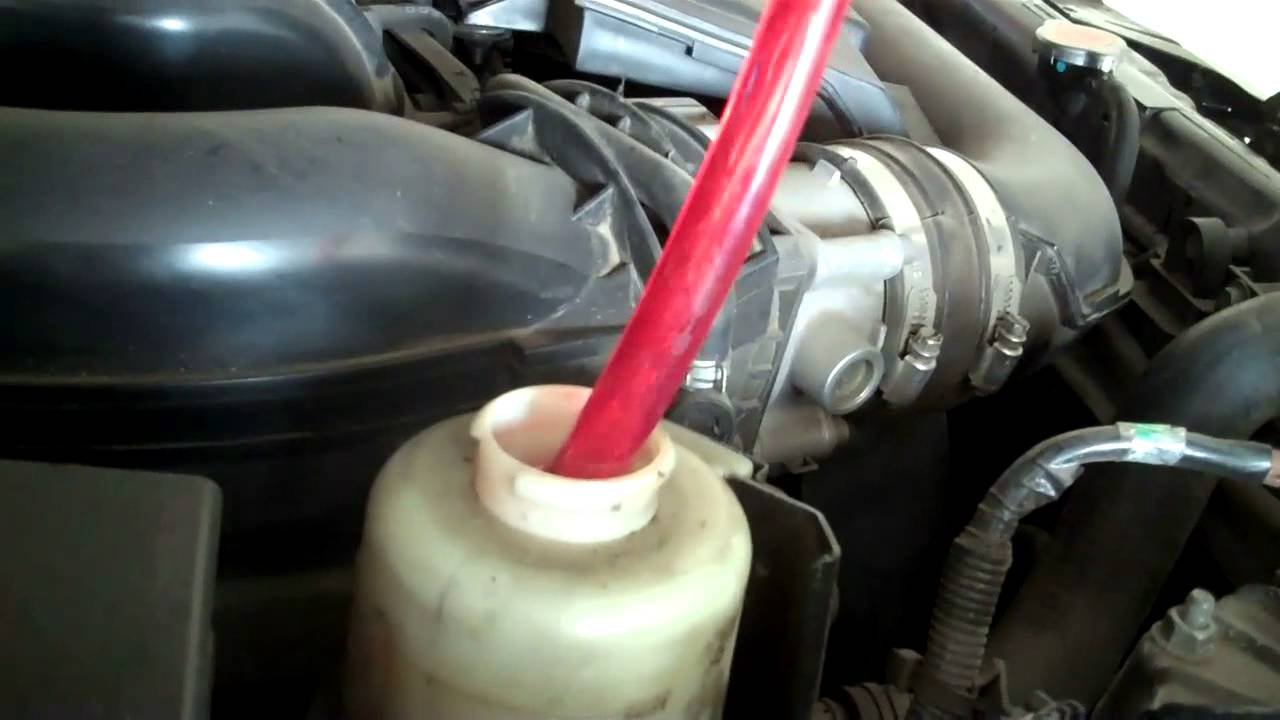
- Locate the Reservoir: Find the power steering reservoir. It's usually a small plastic container with a cap marked with a steering wheel symbol.
- Extraction: Use a fluid extractor (turkey baster or a dedicated fluid pump) to remove as much of the old fluid from the reservoir as possible.
- Refill: Fill the reservoir with fresh power steering fluid to the "Max" line.
- Bleeding (Important): With the front wheels off the ground (using jack stands), slowly turn the steering wheel from lock to lock several times to bleed air from the system. This may require several repetitions. Watch the fluid level in the reservoir and top it off as needed.
- Inspect and Repeat: Check for leaks and re-inspect the fluid level. Drive the vehicle a short distance and re-check the fluid level and condition. Repeat the bleeding process if necessary.
A more thorough flush can be achieved by disconnecting the low-pressure return hose and directing it into a waste container while continuously adding fresh fluid to the reservoir. This ensures that virtually all of the old fluid is replaced. However, this method requires more care to prevent the pump from running dry.
Troubleshooting Common Issues
Several issues can arise with the 2000 Nissan Frontier's power steering system. Here are some common problems and their potential causes:
- Whining Noise: A whining noise, especially when turning the steering wheel, can indicate a low fluid level, air in the system, or a failing power steering pump.
- Hard Steering: Difficulty turning the steering wheel can be caused by a low fluid level, a failing pump, a blocked hose, or a malfunctioning steering gear.
- Leaks: Leaks can occur at the hoses, pump, steering gear, or reservoir. Inspect all components for signs of leakage.
- Foaming Fluid: Foaming fluid indicates air is entering the system, often due to a loose hose connection or a worn pump.
- Jerky Steering: Jerky steering can be caused by air in the system, a worn pump, or a malfunctioning steering gear valve.
Preventative Maintenance: Regularly inspecting and maintaining the power steering system can help prevent these issues and extend the life of the components. Paying attention to the fluid level, condition, and any unusual noises can provide early warnings of potential problems.
Conclusion
The power steering fluid in your 2000 Nissan Frontier plays a vital role in the vehicle's drivability and safety. By understanding the fluid's properties, maintaining the system properly, and addressing any issues promptly, you can ensure smooth and reliable power steering performance for years to come. Regular fluid checks, fluid changes, and leak inspections are crucial for preserving the health of your power steering system and enjoying a comfortable driving experience.