
2000 Nissan Frontier Transmission Problems
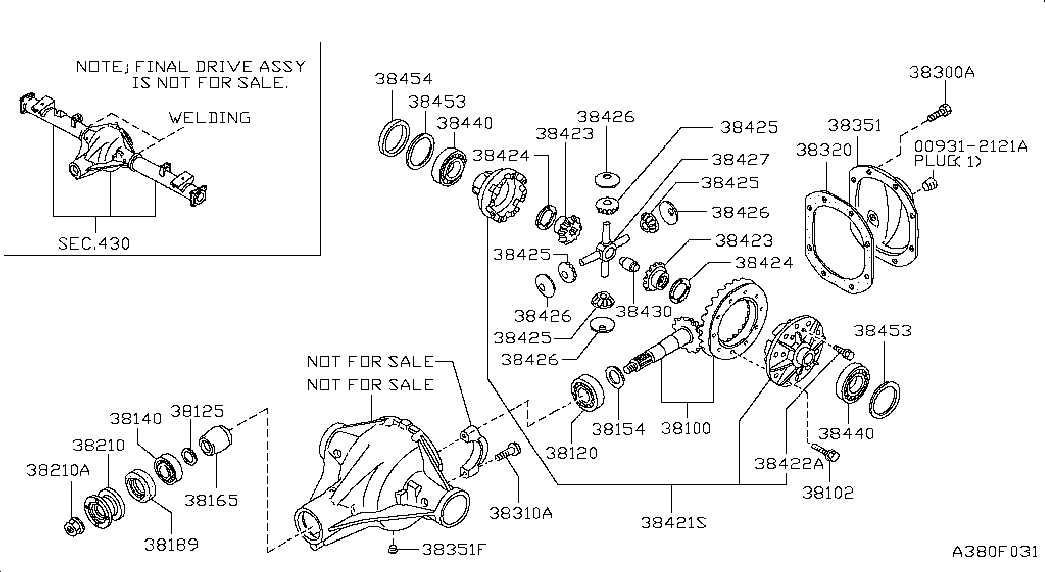
So, you're experiencing some transmission troubles with your 2000 Nissan Frontier? You're not alone. The 2000 Frontier, while a generally reliable truck, can be susceptible to certain transmission problems as it ages. Let's break down the common issues, their potential causes, and, most importantly, what you can do to get your Frontier back on the road.
Common 2000 Nissan Frontier Transmission Problems
Here are some of the most frequent transmission issues owners of the 2000 Nissan Frontier report:
- Slipping Gears: This is when the transmission seems to shift into gear, but the engine revs high without a corresponding increase in speed. It can feel like the transmission is struggling to engage.
- Rough or Harsh Shifting: Instead of smooth gear changes, you might experience jarring or clunking noises during shifting.
- Delayed Engagement: When you shift into Drive or Reverse, there's a noticeable delay before the transmission engages and the truck moves.
- Failure to Shift: The transmission may get stuck in one gear and refuse to shift up or down.
- Unusual Noises: Whining, humming, or clunking sounds coming from the transmission area are often warning signs.
- Fluid Leaks: Transmission fluid leaks can lead to low fluid levels, which can cause a variety of problems. Look for reddish-brown fluid under your truck.
- Check Engine Light: While a check engine light can indicate a wide range of issues, it could be triggered by a transmission-related problem. Codes like P0700 (Transmission Control System Malfunction) are common.
Possible Causes and Solutions
Now, let's dive into the potential causes behind these problems and the steps you can take to address them:
1. Low Transmission Fluid
Problem: This is often the first and easiest thing to check. Low fluid can lead to slipping, harsh shifting, and overheating. Leaks are the most common cause of low fluid.
Solution:
Check the Fluid Level: Locate the transmission fluid dipstick (usually near the back of the engine compartment). With the engine running and the transmission in Park (on level ground), pull out the dipstick, wipe it clean, reinsert it fully, and then pull it out again. The fluid level should be between the "min" and "max" marks. Consult your owner's manual for the exact procedure for your Frontier model.
Tools Needed: Rags, funnel, appropriate transmission fluid (check your owner's manual for the correct type – using the wrong fluid can cause serious damage).
Add Fluid: If the fluid is low, add fluid slowly through the dipstick tube using a funnel. Recheck the level after each addition.
Cost: A quart of transmission fluid typically costs between $5 and $15.
Inspect for Leaks: If you frequently need to add fluid, you likely have a leak. Common leak areas include the pan gasket, the front and rear seals, and the cooler lines.
Repair: Replacing a pan gasket might cost $50-$150. Replacing seals or cooler lines can be more expensive, ranging from $150 to $400, depending on the location and complexity.
2. Contaminated or Old Transmission Fluid
Problem: Over time, transmission fluid degrades and becomes contaminated with metal shavings and debris. This can reduce its lubricating properties and cause shifting problems. Burnt smelling fluid is a very bad sign.
Solution:
Check the Fluid Condition: Examine the fluid on the dipstick. It should be bright red and translucent. If it's dark brown or black, smells burnt, or contains visible particles, it needs to be changed.
Tools Needed: Wrench for drain plug, drain pan, funnel, new transmission fluid, new transmission filter (recommended).
Perform a Transmission Fluid and Filter Change: This involves draining the old fluid, replacing the filter, and refilling with fresh fluid. Important Note: Some Frontiers have a sealed transmission. Servicing these can be tricky and often requires specialized equipment and knowledge. If you're not comfortable performing this service, it's best to take it to a qualified mechanic.
Cost: A transmission fluid and filter change typically costs between $100 and $300, depending on the type of fluid and the shop's labor rate.
3. Faulty Solenoids
Problem: Solenoids are electrically operated valves that control the flow of transmission fluid to different parts of the transmission, enabling it to shift gears. When they fail, it can cause shifting problems. This can cause harsh shifting or the failure to shift at all.
Solution:
Diagnostic Scan: A diagnostic scan tool can often pinpoint faulty solenoids by identifying specific error codes.
Tools Needed: Diagnostic scan tool.
Solenoid Replacement: Replacing faulty solenoids requires removing the transmission pan and accessing the valve body. Important Note: This can be a complex repair and is best left to a professional.
Cost: Replacing a solenoid typically costs between $200 and $500, including labor.
4. Worn or Damaged Gears and Clutch Packs
Problem: Over time, the internal components of the transmission, such as gears and clutch packs, can wear out or become damaged due to heat, friction, and lack of proper maintenance.
Solution:
Transmission Rebuild or Replacement: This is the most drastic (and expensive) solution. A rebuild involves disassembling the transmission, replacing worn or damaged parts, and reassembling it. A replacement involves installing a new or remanufactured transmission. Important Note: This is a major repair that requires specialized tools and expertise.
Cost: A transmission rebuild can cost between $1,500 and $3,500, while a replacement can cost between $2,500 and $5,000, depending on the source of the replacement transmission (new, remanufactured, or used) and the shop's labor rate.
5. Torque Converter Problems
Problem: The torque converter is responsible for transferring power from the engine to the transmission. If it fails, it can cause slipping, stalling, and a lack of power.
Solution:
Torque Converter Replacement: Replacing the torque converter requires removing the transmission from the vehicle. Important Note: This repair is best left to a professional.
Cost: Replacing a torque converter typically costs between $500 and $1,500, including labor.
6. Transmission Control Module (TCM) Issues
Problem: The TCM is the computer that controls the transmission's shifting behavior. If it malfunctions, it can cause a variety of problems, including erratic shifting, failure to shift, and check engine light activation.
Solution:
Diagnostic Scan: A diagnostic scan tool can often identify TCM-related error codes.
Tools Needed: Diagnostic scan tool.
TCM Replacement or Reprogramming: The TCM may need to be replaced or reprogrammed. Important Note: This repair requires specialized tools and knowledge.
Cost: Replacing or reprogramming a TCM can cost between $300 and $1,000, including labor.
Preventive Maintenance
The best way to avoid transmission problems is to practice preventive maintenance. Here are some tips:
- Regularly Check Transmission Fluid Level and Condition: As mentioned earlier, maintaining proper fluid levels and ensuring the fluid is clean is crucial.
- Follow the Recommended Transmission Fluid Change Interval: Your owner's manual will specify the recommended interval for changing the transmission fluid. Adhere to this schedule.
- Avoid Harsh Driving Habits: Aggressive acceleration and braking can put extra stress on the transmission.
- Have Your Transmission Inspected Regularly: A qualified mechanic can identify potential problems early on, before they become major issues.
When to Seek Professional Help
While some transmission problems can be addressed with simple DIY solutions, others require the expertise of a professional mechanic. If you're experiencing any of the following, it's best to seek professional help:
- You're not comfortable working on your vehicle.
- You're not sure what's causing the problem.
- The problem is complex or requires specialized tools.
- You've already tried some simple solutions, but the problem persists.
Don't ignore transmission problems. Addressing them early can save you money and prevent further damage. By understanding the common issues, potential causes, and available solutions, you can make informed decisions about how to keep your 2000 Nissan Frontier running smoothly for years to come. Good luck!