
2000 Nissan Maxima Ignition Lock Cylinder
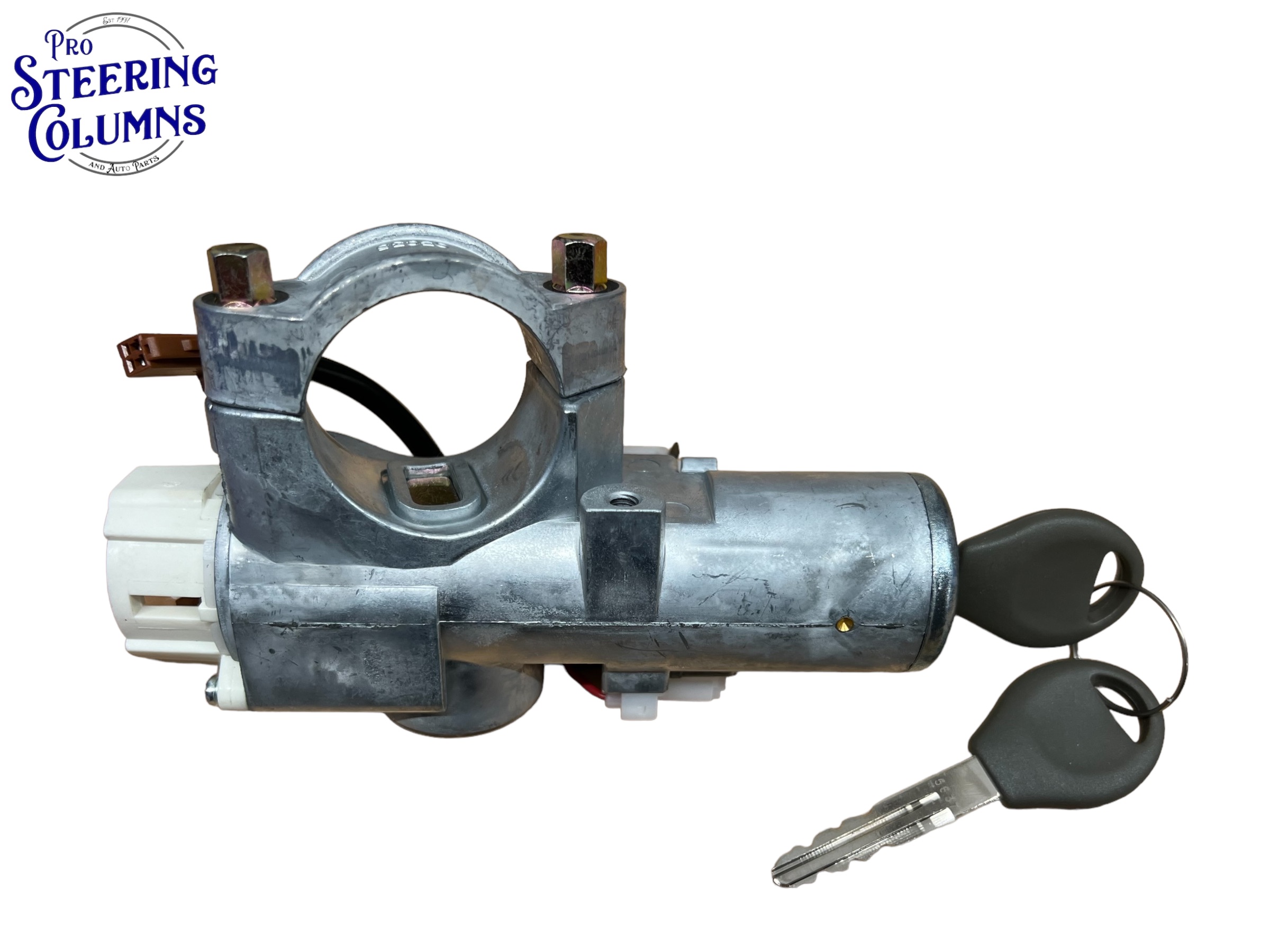
The 2000 Nissan Maxima, a vehicle known for its reliability and performance, can sometimes encounter issues like any other car. One common problem that owners may face is a malfunctioning ignition lock cylinder. This article aims to provide a comprehensive overview of the 2000 Nissan Maxima ignition lock cylinder, covering its function, common problems, troubleshooting steps, replacement procedures, and frequently asked questions.
Understanding the Ignition Lock Cylinder
The ignition lock cylinder is a crucial component of your 2000 Nissan Maxima's starting system. It's the mechanical part where you insert your key to start the engine. Its primary function is to:
- Authorize the ignition switch: When you insert and turn the correct key, the cylinder verifies the key's unique code and allows the ignition switch to activate.
- Engage the starter motor: Turning the key to the "start" position sends power to the starter motor, initiating the engine's cranking process.
- Control accessory power: Different key positions allow access to accessory power (radio, windows) without starting the engine.
- Lock the steering wheel: When the key is removed, the ignition lock cylinder engages a mechanism that locks the steering wheel, preventing theft.
A faulty ignition lock cylinder can lead to various issues, making it difficult or impossible to start your car.
Common Problems with the 2000 Nissan Maxima Ignition Lock Cylinder
Several factors can contribute to problems with your 2000 Nissan Maxima's ignition lock cylinder. These include:
- Wear and tear: Over time, the internal components of the cylinder can wear down due to repeated use. This wear can cause the key to become difficult to insert, turn, or remove.
- Key damage: A bent, worn, or damaged key can damage the internal tumblers of the ignition lock cylinder.
- Foreign objects: Debris, such as dirt, dust, or small objects, can become lodged inside the cylinder, hindering its proper function.
- Mechanical failure: Internal components can break or fail due to stress or manufacturing defects.
- Tampering: Attempted theft or forced entry can damage the cylinder, rendering it unusable.
These problems can manifest in the following symptoms:
- Key won't turn: The key may insert into the cylinder but refuse to turn to the "start" position.
- Key is difficult to insert or remove: You may experience resistance when inserting or removing the key.
- Key turns freely but the engine won't start: The key may turn, but the starter motor doesn't engage.
- Steering wheel won't unlock: The steering wheel remains locked even with the key inserted.
- Accessory power issues: Accessory power may not function correctly.
Troubleshooting a Faulty Ignition Lock Cylinder
Before replacing the ignition lock cylinder, it's essential to troubleshoot the problem to ensure it's the actual cause. Here are some steps you can take:
- Check the key: Inspect the key for any signs of damage, such as bending, wear, or cracks. Try using a spare key to see if the problem persists. If the spare key works, the original key is likely the issue.
- Lubricate the cylinder: Apply a small amount of graphite lubricant to the key and insert it into the cylinder. Turn the key back and forth several times to distribute the lubricant. This can help free up any stuck components. Do not use oil-based lubricants, as they can attract dirt and worsen the problem.
- Check the steering wheel: Sometimes, the steering wheel can be locked in a position that puts pressure on the ignition lock cylinder. Try gently wiggling the steering wheel back and forth while turning the key.
- Inspect for foreign objects: Use a small flashlight to inspect the inside of the cylinder for any debris or foreign objects. Try to remove any obstructions with a small tool, such as a toothpick or a small pick.
- Check the battery: A weak battery can sometimes mimic ignition switch problems. Ensure your battery is fully charged and in good condition.
If these troubleshooting steps don't resolve the issue, the ignition lock cylinder likely needs to be replaced.
Replacing the 2000 Nissan Maxima Ignition Lock Cylinder
Replacing the ignition lock cylinder is a moderately complex task that requires some mechanical knowledge and experience. If you're not comfortable performing the replacement yourself, it's best to seek the assistance of a qualified mechanic.
Tools and Materials Needed:
- New ignition lock cylinder (ensure it's compatible with your 2000 Nissan Maxima)
- Screwdrivers (Phillips and flathead)
- Socket set
- Pliers
- Steering wheel puller (optional, but recommended)
- Security Torx bit set (required for some models)
- Penetrating oil
- New shear bolts (if applicable)
Procedure (General Steps - Consult a Repair Manual for Specific Instructions):
- Disconnect the Battery: This is crucial for safety to prevent accidental electrical shocks or damage to electrical components.
- Remove the Steering Wheel: This usually involves removing the airbag (disconnect the airbag connector first and handle with extreme care!) and then using a steering wheel puller to remove the steering wheel. Consult your vehicle's repair manual for specific airbag removal instructions.
- Remove the Steering Column Covers: These covers are typically held in place by screws. Remove the screws and carefully detach the covers.
- Locate and Disconnect the Ignition Switch Connector: The ignition switch connector is usually located near the ignition lock cylinder. Disconnect the connector.
- Remove the Old Ignition Lock Cylinder: This step can vary depending on the specific design of your 2000 Nissan Maxima. Some models may have a retaining pin that needs to be depressed to release the cylinder, while others may have security screws (shear bolts) that need to be drilled out or removed with specialized tools. Penetrating oil can help loosen stubborn bolts.
- Install the New Ignition Lock Cylinder: Insert the new cylinder into the steering column, ensuring it's properly aligned. Reinstall any retaining pins or security screws. If using new shear bolts, tighten them until the heads shear off, providing a tamper-resistant installation.
- Reconnect the Ignition Switch Connector: Reconnect the ignition switch connector to the new ignition lock cylinder.
- Reinstall the Steering Column Covers: Reattach the steering column covers and secure them with the screws.
- Reinstall the Steering Wheel: Align the steering wheel and carefully reinstall it onto the steering column. Tighten the retaining nut to the specified torque. Reconnect the airbag connector and reinstall the airbag module.
- Reconnect the Battery: Reconnect the negative battery cable.
- Test the Ignition System: Insert the key and try to start the engine. Ensure that the key turns smoothly, the engine starts properly, and the steering wheel locks when the key is removed.
Important Considerations:
- Airbag Safety: Always disconnect the battery and handle the airbag with extreme care. Improper handling can cause the airbag to deploy, resulting in serious injury. Consult a repair manual for specific instructions.
- Security Screws: If your 2000 Nissan Maxima uses security screws (shear bolts) to secure the ignition lock cylinder, you'll need specialized tools or techniques to remove them. These screws are designed to break off when tightened, making them difficult to remove.
- Key Programming: In some cases, the new ignition lock cylinder may require key programming to work with your vehicle's immobilizer system. Consult a locksmith or your Nissan dealer for assistance with key programming.
- Vehicle-Specific Instructions: Always consult a repair manual specific to your 2000 Nissan Maxima for detailed instructions and diagrams. The procedures outlined above are general guidelines and may vary depending on the specific model and trim level.
Cost of Replacement
The cost of replacing the 2000 Nissan Maxima ignition lock cylinder can vary depending on several factors, including:
- The cost of the new ignition lock cylinder: Aftermarket cylinders are generally less expensive than OEM (Original Equipment Manufacturer) cylinders.
- Labor costs: If you choose to have a mechanic replace the cylinder, labor costs will vary depending on the mechanic's hourly rate and the complexity of the job.
- Key programming costs: If key programming is required, this will add to the overall cost.
Generally, you can expect to pay anywhere from $150 to $500 to replace the ignition lock cylinder on your 2000 Nissan Maxima. Getting quotes from multiple mechanics is always a good idea to ensure you're getting a fair price.
Preventative Maintenance
While ignition lock cylinder failure can sometimes be unavoidable, there are steps you can take to prolong the life of your cylinder:
- Use the correct key: Always use the correct key for your 2000 Nissan Maxima. Using a damaged or worn key can damage the cylinder's internal components.
- Avoid overloading your keychain: A heavy keychain can put extra strain on the ignition lock cylinder, causing premature wear.
- Lubricate the cylinder periodically: Use a graphite lubricant to keep the cylinder working smoothly.
- Avoid forcing the key: If the key is difficult to turn, don't force it. Try wiggling the steering wheel or lubricating the cylinder.
Frequently Asked Questions
Q: Can I start my 2000 Nissan Maxima without the key if the ignition lock cylinder is broken?
A: Attempting to start your car without the key or with a damaged ignition system can damage your vehicle and may be illegal. Contact a qualified mechanic.
Q: Is it possible to repair an ignition lock cylinder instead of replacing it?
A: In some cases, it may be possible to repair a minor issue with the ignition lock cylinder, such as cleaning it or replacing a worn tumbler. However, in most cases, replacement is the more reliable and cost-effective solution.
Q: Can a locksmith replace my ignition lock cylinder?
A: Yes, many locksmiths are qualified to replace ignition lock cylinders. They may also be able to provide key programming services if needed.
Q: Will replacing the ignition lock cylinder affect my car's security system?
A: If your 2000 Nissan Maxima has an immobilizer system, you may need to have the new key programmed to work with the system. This is usually done by a locksmith or a Nissan dealer.
Q: Where can I purchase a replacement ignition lock cylinder for my 2000 Nissan Maxima?
A: You can purchase a replacement ignition lock cylinder from auto parts stores, online retailers, or your local Nissan dealer. Ensure that the cylinder is compatible with your vehicle's make, model, and year.
By understanding the function of the ignition lock cylinder, recognizing potential problems, and following the appropriate troubleshooting and replacement steps, you can effectively address issues with your 2000 Nissan Maxima's ignition system. Remember to prioritize safety and consult with a qualified professional if you're unsure about any aspect of the repair process.