
2002 Nissan Frontier Transmission Problems
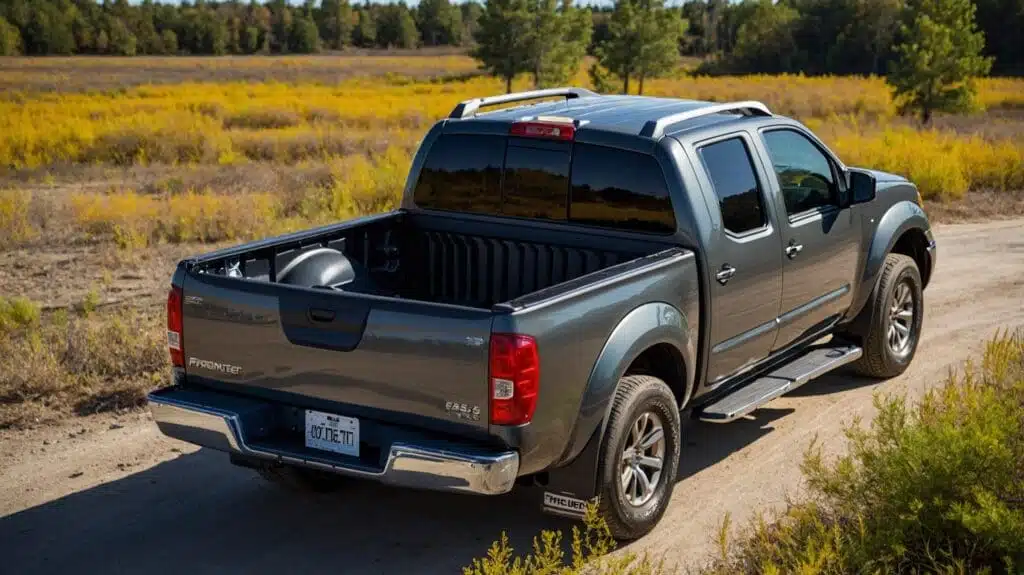
The 2002 Nissan Frontier, particularly those equipped with the automatic transmission, has become notorious for a range of issues. While a robust truck in many respects, the transmission can become a weak point, leading to frustration for owners. This article will delve into the common transmission problems afflicting the 2002 Frontier, the underlying causes, and potential solutions, aiming to equip you with the knowledge needed to diagnose and address these issues effectively.
Common 2002 Nissan Frontier Transmission Problems
The problems experienced with the 2002 Frontier's automatic transmission tend to cluster around a few key areas:
Shifting Problems
Perhaps the most frequently reported issue is erratic or harsh shifting. This can manifest in several ways:
- Hard Shifts: The transmission shifts abruptly and forcefully, creating a jarring sensation. This often happens between 1st and 2nd gear, or 2nd and 3rd gear.
- Delayed Engagement: When shifting from Park to Drive or Reverse, there's a noticeable delay before the transmission engages. This can be accompanied by a clunking noise.
- Slipping: The engine RPMs increase without a corresponding increase in vehicle speed. This indicates that the clutch packs within the transmission are not properly engaging, allowing them to slip. Slipping is a sign of significant internal wear and should be addressed promptly.
- Failure to Shift: The transmission may refuse to shift into a higher gear, limiting the vehicle's speed and potentially causing engine over-revving.
- "Limp Mode": The transmission enters a protected mode, limiting speed and gear selection, often accompanied by the "Service Engine Soon" light. This is a serious condition triggered by detected faults within the transmission system.
Overheating
The 2002 Frontier's transmission, especially when subjected to towing or heavy use, is prone to overheating. Overheating is a major contributor to premature transmission failure. The heat degrades the transmission fluid, reducing its lubricating and cooling properties, and accelerating wear on internal components.
Torque Converter Issues
The torque converter, a fluid coupling that transfers power from the engine to the transmission, can also fail. Signs of a failing torque converter include:
- Stalling: The engine stalls when coming to a stop, particularly after driving for a while.
- Shuddering: A noticeable shuddering or vibration, especially at low speeds or during light acceleration.
- Unusual Noises: Whining or rattling noises emanating from the transmission area.
Transmission Fluid Leaks
Leaks can occur from various points in the transmission system, including:
- Seals: Input shaft seal, output shaft seal, and pan gasket are common leak points.
- Cooler Lines: The lines that carry transmission fluid to the cooler can develop leaks due to corrosion or damage.
- Valve Body: Less common, but leaks can occur around the valve body cover.
Low transmission fluid levels can exacerbate other problems, leading to slipping, overheating, and ultimately, transmission failure. Regularly check the fluid level and condition.
Underlying Causes of Transmission Problems
Several factors contribute to the transmission problems observed in the 2002 Nissan Frontier:
Lack of Maintenance
The most common culprit is inadequate maintenance. Neglecting to change the transmission fluid at recommended intervals (typically every 30,000 to 60,000 miles, depending on driving conditions) leads to a buildup of contaminants and a breakdown of the fluid's lubricating properties. This accelerates wear on internal components, leading to shifting problems and ultimately, failure.
Overheating
As mentioned earlier, overheating is a major killer of automatic transmissions. Towing heavy loads, driving in hot climates, or even aggressive driving can all contribute to excessive heat buildup. The factory transmission cooler on the 2002 Frontier can be marginal, especially under demanding conditions.
Internal Component Wear
Over time, the clutch packs, bands, and other internal components within the transmission wear down. This is a natural consequence of use, but it's accelerated by poor maintenance and overheating. Worn clutch packs lead to slipping, while worn bands affect shifting quality.
Valve Body Issues
The valve body is the hydraulic control center of the transmission, directing fluid flow to engage different gears. Small particles and debris in the transmission fluid can clog the valve body's intricate passages, causing erratic shifting and other problems. Solenoids within the valve body can also fail electrically or mechanically.
Torque Converter Failure
The torque converter is a complex component with many moving parts. Wear on the internal bearings, clutch, or stator can lead to failure. Overheating and contaminated fluid also damage the torque converter.
Sensor Malfunctions
While less common, faulty sensors, such as the transmission speed sensor (TSS) or output speed sensor (OSS), can also contribute to transmission problems. These sensors provide critical information to the transmission control module (TCM), and inaccurate data can lead to incorrect shifting or limp mode activation.
Diagnosis and Solutions
Diagnosing transmission problems requires a systematic approach. Here's a breakdown of the steps you can take:
- Check the Transmission Fluid: Examine the fluid level and condition. The fluid should be bright red and have a neutral odor. Dark, burnt-smelling fluid indicates overheating and degradation. Low fluid levels point to a leak.
- Scan for Diagnostic Trouble Codes (DTCs): Use an OBD-II scanner to check for any stored trouble codes. Codes related to the transmission, such as P0700-series codes, provide valuable clues about the nature of the problem. Note that some advanced scan tools may be needed to properly read transmission specific codes.
- Perform a Visual Inspection: Carefully inspect the transmission housing, cooler lines, and seals for any signs of leaks.
- Test Drive: Pay close attention to how the transmission shifts under various conditions. Note any unusual noises, slipping, or hard shifts.
- Valve Body Inspection: If shifting problems are suspected and the fluid is dirty, dropping the pan and inspecting the valve body for debris is warranted. Some DIYers will attempt to clean the valve body, but this is often best left to professionals.
- Pressure Testing: A shop can perform a pressure test to identify problems within the hydraulic circuits of the transmission.
Once you've identified the problem, you can consider the following solutions:
- Transmission Fluid Change: If the fluid is old or contaminated, a fluid change can sometimes resolve minor shifting problems. Use the correct type of transmission fluid recommended by Nissan. The 2002 Frontier typically uses Nissan Matic D fluid.
- Transmission Filter Replacement: Always replace the transmission filter when changing the fluid.
- Leak Repair: Replace any leaking seals or cooler lines.
- Valve Body Cleaning or Replacement: If the valve body is clogged with debris, it may be possible to clean it. However, replacement is often the more reliable option.
- Torque Converter Replacement: If the torque converter is failing, it must be replaced.
- Transmission Rebuild or Replacement: For major internal damage, a transmission rebuild or replacement may be necessary. A rebuild involves disassembling the transmission, inspecting all components, replacing worn parts, and reassembling it. Replacement involves installing a new or remanufactured transmission.
- External Transmission Cooler: Consider adding an aftermarket external transmission cooler to help prevent overheating, especially if you tow or drive in demanding conditions.
Preventative Measures
The best way to avoid transmission problems is to take preventative measures:
- Regular Transmission Fluid Changes: Adhere to the recommended fluid change intervals.
- Monitor Transmission Temperature: Install a transmission temperature gauge to monitor the fluid temperature. This will allow you to identify potential overheating problems early on.
- Avoid Overloading: Don't exceed the vehicle's towing capacity.
- Drive Responsibly: Avoid aggressive driving habits that can put excessive stress on the transmission.
Addressing transmission issues on a 2002 Nissan Frontier can be a manageable task with the right knowledge and tools. By understanding the common problems, underlying causes, and diagnostic procedures, you can take proactive steps to maintain your transmission and extend its lifespan. Remember, if you're not comfortable performing these repairs yourself, seek the advice of a qualified mechanic. Good luck!