
2002 Nissan Pathfinder Catalytic Converter
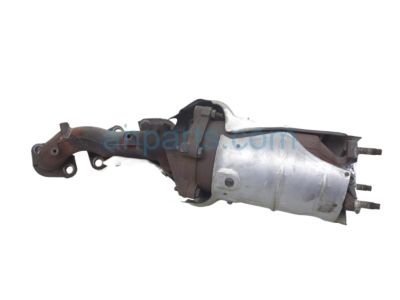
The 2002 Nissan Pathfinder, like all vehicles of its era and later, relies heavily on its catalytic converter to meet stringent emissions standards. Replacing the catalytic converter on a 2002 Pathfinder can seem daunting, but with a good understanding of its function, diagnosis, and proper replacement procedures, it's a task that many experienced DIYers can tackle. This article will delve into the specifics of the 2002 Pathfinder's catalytic converter system, common problems, diagnostic approaches, and replacement strategies.
Understanding the Catalytic Converter
At its core, a catalytic converter is an emissions control device that converts harmful pollutants in exhaust gases into less harmful substances. It's a critical component in reducing air pollution caused by internal combustion engines. Specifically, it transforms hydrocarbons (HC), carbon monoxide (CO), and nitrogen oxides (NOx) into water (H2O), carbon dioxide (CO2), and nitrogen (N2). This transformation happens through chemical reactions facilitated by precious metals – typically platinum, palladium, and rhodium – coated onto a ceramic honeycomb or metallic foil structure inside the converter. This honeycomb structure maximizes surface area, allowing for efficient conversion.
In the 2002 Pathfinder, you'll typically find two catalytic converters: one positioned close to the engine, known as the primary or pre-cat converter, and another located further downstream in the exhaust system, often referred to as the secondary converter. Some models may only have one. The pre-cat converter heats up more quickly after engine start and becomes active more rapidly, minimizing emissions during the crucial warm-up phase. The secondary converter provides further pollutant reduction as the exhaust gases flow through the system.
Common Problems with the 2002 Pathfinder Catalytic Converter
Several factors can lead to catalytic converter failure in the 2002 Pathfinder. Understanding these causes is essential for accurate diagnosis and preventing repeat failures. Here are some of the most common:
- Contamination: This is arguably the most frequent culprit. Coolant leaks (especially from a blown head gasket), excessive oil consumption, and unburned fuel entering the exhaust system can contaminate the catalytic converter. These contaminants can coat the catalyst materials, rendering them ineffective or even causing them to melt and clog the converter.
- Physical Damage: Road debris, impacts, or even severe rust can physically damage the converter housing or the internal honeycomb structure. This damage can reduce efficiency and potentially lead to exhaust leaks.
- Overheating: Running the engine excessively rich (too much fuel) can lead to unburned fuel entering the converter, causing it to overheat. Extreme heat can melt the catalyst material, leading to a significant reduction in performance.
- Age and Mileage: Like any mechanical component, catalytic converters have a limited lifespan. Over time, the catalyst materials can degrade, reducing their effectiveness. High mileage and extended periods of operation can accelerate this degradation.
- Faulty Oxygen Sensors: Oxygen sensors play a crucial role in providing feedback to the engine control unit (ECU) about the air-fuel mixture. If an oxygen sensor malfunctions and provides inaccurate readings, it can cause the engine to run rich or lean, both of which can damage the catalytic converter.
Diagnosing a Faulty Catalytic Converter
Diagnosing a catalytic converter issue requires a systematic approach. Here's a breakdown of the key steps:
Check Engine Light (CEL) and Diagnostic Trouble Codes (DTCs)
The first indication of a problem is often the illumination of the check engine light. Use an OBD-II scanner to retrieve any stored DTCs. Common codes associated with catalytic converter problems include:
- P0420: Catalyst System Efficiency Below Threshold (Bank 1)
- P0430: Catalyst System Efficiency Below Threshold (Bank 2)
- P0421: Warm Up Catalyst Efficiency Below Threshold (Bank 1)
- P0431: Warm Up Catalyst Efficiency Below Threshold (Bank 2)
These codes don't automatically confirm a faulty converter. They simply indicate that the ECU has detected a reduced efficiency in the catalytic converter's ability to process exhaust gases. Further investigation is needed to pinpoint the root cause.
Visual Inspection
Visually inspect the catalytic converter for any signs of physical damage, such as dents, cracks, or rust. Also, check the surrounding exhaust pipes and connections for leaks. Exhaust leaks can introduce outside air into the system, skewing oxygen sensor readings and potentially affecting converter performance.
Oxygen Sensor Testing
The 2002 Pathfinder uses oxygen sensors upstream (before) and downstream (after) the catalytic converter. The upstream sensor monitors the air-fuel mixture entering the engine, while the downstream sensor monitors the oxygen content of the exhaust gases after they have passed through the converter. Comparing the readings from these two sensors can help determine if the converter is functioning properly.
Typically, the upstream sensor reading should fluctuate rapidly, indicating constant adjustments to the air-fuel mixture. The downstream sensor reading should be relatively stable, indicating that the converter is effectively removing oxygen from the exhaust gases. If the downstream sensor reading fluctuates similarly to the upstream sensor reading, it suggests that the converter is not functioning efficiently.
You can use a multimeter or a scan tool with live data capabilities to monitor the oxygen sensor readings. A malfunctioning oxygen sensor can mimic a faulty catalytic converter, so it's crucial to ensure the sensors are functioning correctly before replacing the converter.
Exhaust Backpressure Test
A clogged catalytic converter can create excessive backpressure in the exhaust system. This backpressure can reduce engine performance and fuel economy. You can perform an exhaust backpressure test by removing an oxygen sensor upstream of the converter and installing a backpressure gauge. Elevated backpressure readings indicate a blockage within the converter.
Temperature Test
A functioning catalytic converter operates at a high temperature. You can use an infrared thermometer to measure the temperature of the converter at the inlet and outlet. The outlet temperature should be significantly higher than the inlet temperature. If the outlet temperature is lower, it suggests that the converter is not functioning properly.
Replacing the Catalytic Converter on a 2002 Nissan Pathfinder
Replacing the catalytic converter is a relatively straightforward process, but it requires attention to detail and proper tools. Safety first: Always wear safety glasses and gloves when working on exhaust systems. Ensure the exhaust system is cool before starting work.
- Preparation: Gather the necessary tools and parts. This includes a new catalytic converter, appropriate gaskets, penetrating oil, a socket set, wrenches, a ratchet, and potentially an oxygen sensor socket if you plan to replace the oxygen sensors as well.
- Loosen Connections: Apply penetrating oil to the bolts and nuts connecting the catalytic converter to the exhaust manifold and the downstream exhaust pipe. Allow the oil to soak for a sufficient amount of time before attempting to loosen the connections.
- Remove the Old Converter: Carefully loosen and remove the bolts and nuts connecting the old catalytic converter. You may encounter stubborn bolts that require heat or specialized tools. Be patient and avoid damaging the surrounding components. Support the exhaust system as needed to prevent strain on other parts.
- Inspect and Clean Mating Surfaces: Once the old converter is removed, inspect the mating surfaces of the exhaust manifold and the downstream exhaust pipe. Clean any rust, debris, or old gasket material from these surfaces to ensure a proper seal with the new converter.
- Install the New Converter: Position the new catalytic converter and install the new gaskets. Tighten the bolts and nuts to the manufacturer's specified torque specifications. Over-tightening can damage the gaskets or the converter.
- Replace Oxygen Sensors (Optional but Recommended): If the oxygen sensors are old or suspected of being faulty, now is an excellent time to replace them. Apply anti-seize compound to the threads of the new oxygen sensors before installation.
- Check for Leaks: After installing the new catalytic converter and oxygen sensors, start the engine and carefully inspect the connections for exhaust leaks. If you detect any leaks, tighten the bolts and nuts further or replace the gaskets as needed.
- Clear DTCs: Use an OBD-II scanner to clear any stored DTCs.
Post-Installation Checks
After replacing the catalytic converter, monitor the vehicle's performance closely. Pay attention to fuel economy, engine performance, and the presence of any new DTCs. If the check engine light illuminates again, re-evaluate the diagnostic process to identify the underlying cause.
Conclusion
Replacing the catalytic converter on a 2002 Nissan Pathfinder requires a solid understanding of the system, careful diagnosis, and proper installation techniques. By following the steps outlined in this article, you can successfully tackle this task and ensure your vehicle meets emissions standards and runs efficiently. Remember to always prioritize safety and consult a qualified mechanic if you encounter any difficulties.