
2003 Nissan Pathfinder Catalytic Converter
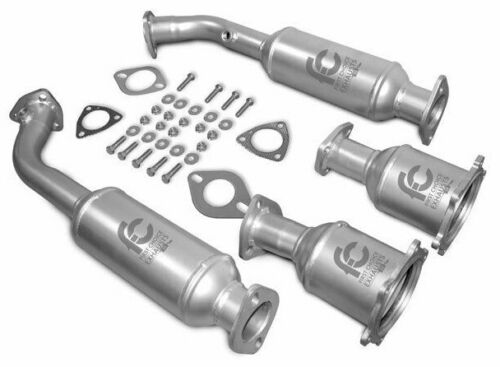
So, you're here because you're having trouble with the catalytic converter on your 2003 Nissan Pathfinder. Don't worry, you're not alone! The '03 Pathfinder is a solid vehicle, but like any car of that age, parts start to wear out, and the catalytic converter is a common culprit. Let's break down what's likely happening, what you can do about it, and how much it might cost you.
Understanding the Issue: What Does a Catalytic Converter Do?
First, let's quickly recap what a catalytic converter does. It's a crucial part of your exhaust system responsible for reducing harmful emissions. Inside, there's a catalyst (typically platinum, palladium, and rhodium) that facilitates chemical reactions, converting pollutants like hydrocarbons (HC), carbon monoxide (CO), and nitrogen oxides (NOx) into less harmful substances like carbon dioxide (CO2), water (H2O), and nitrogen (N2). Basically, it's cleaning up your exhaust before it exits the tailpipe.
Common Symptoms of a Failing Catalytic Converter on a 2003 Pathfinder
Here's what you might be experiencing if your catalytic converter is on its way out:
- Check Engine Light (CEL): This is the most common indicator. A failing catalytic converter will often trigger a specific code related to its efficiency. You'll likely see codes like P0420 ("Catalyst System Efficiency Below Threshold (Bank 1)") or P0430 ("Catalyst System Efficiency Below Threshold (Bank 2)"). Get the code read! Most auto parts stores will do this for free.
- Reduced Engine Performance: A clogged or inefficient catalytic converter can restrict exhaust flow, leading to a noticeable decrease in power, especially when accelerating or going uphill. Your Pathfinder might feel sluggish.
- Poor Fuel Economy: A failing catalytic converter can throw off the engine's air-fuel mixture, causing it to run less efficiently and consume more gas.
- Rattling Noises: Sometimes, the internal components of the catalytic converter can break down and rattle around inside the housing, creating a metallic noise, especially when the engine is running or when you tap on the converter.
- Overheating: In rare cases, a severely clogged catalytic converter can cause excessive heat buildup, potentially damaging other exhaust components.
- Failed Emissions Test: If you live in an area that requires emissions testing, a failing catalytic converter will almost certainly cause you to fail.
Possible Causes of Catalytic Converter Failure
Catalytic converters don't usually fail on their own. Something else is usually the underlying cause. Identifying and addressing this underlying issue is crucial; otherwise, you might just end up replacing the catalytic converter again down the line.
- Engine Misfires: Unburnt fuel from a misfiring engine can overwhelm the catalytic converter, causing it to overheat and melt down internally. Address any misfires immediately! Common causes of misfires include faulty spark plugs, ignition coils, or fuel injectors.
- Oil Leaks: Oil leaking into the exhaust system can contaminate the catalytic converter, reducing its efficiency. Common sources of oil leaks include valve cover gaskets, rear main seals, or worn piston rings.
- Coolant Leaks: Similar to oil leaks, coolant entering the exhaust system can also damage the catalytic converter. Head gasket leaks are a common culprit.
- Rich Fuel Mixture: An overly rich fuel mixture (too much fuel, not enough air) can also overload the catalytic converter with unburnt fuel. This can be caused by faulty oxygen sensors, a malfunctioning mass airflow (MAF) sensor, or a leaky fuel injector.
- Physical Damage: Hitting a large object on the road can physically damage the catalytic converter, rendering it ineffective.
- Age and Normal Wear: Even without any underlying issues, catalytic converters eventually wear out due to age and use. The catalyst material gradually degrades, reducing its ability to convert pollutants.
Diagnosing the Problem: What to Check Before Replacing the Catalytic Converter
Before you rush out and buy a new catalytic converter, it's important to do some thorough troubleshooting. Replacing the converter without addressing the root cause is just throwing money away.
- Read the Diagnostic Trouble Codes (DTCs): As mentioned earlier, start by getting the codes read. This will give you a starting point for your diagnosis. While P0420/P0430 are common for catalytic converter issues, other codes might indicate a different problem.
- Inspect for Exhaust Leaks: Carefully inspect the exhaust system for any leaks, especially upstream of the catalytic converter. Leaks can allow unburnt fuel to enter the converter, damaging it.
- Check the Oxygen Sensors: The oxygen sensors (O2 sensors) play a critical role in monitoring the air-fuel mixture and providing feedback to the engine control unit (ECU). A faulty O2 sensor can cause the engine to run rich or lean, which can damage the catalytic converter. There are usually two O2 sensors associated with the catalytic converter: one upstream (before the converter) and one downstream (after the converter). You can test their performance with a multimeter or a scan tool that displays live data.
- Inspect for Engine Misfires: Listen for any signs of engine misfires, such as rough idling or hesitation during acceleration. A misfire can quickly destroy a catalytic converter. Check the spark plugs, ignition coils, and fuel injectors.
- Check for Oil or Coolant Leaks: Look for any signs of oil or coolant leaks that could be contaminating the exhaust system.
- Perform a Backpressure Test: A backpressure test can help determine if the catalytic converter is clogged. This test involves removing an oxygen sensor and installing a pressure gauge. Excessive backpressure indicates a blockage. This is best done by a professional mechanic.
Repair Options and Estimated Costs
Once you've diagnosed the problem, you have a few options:
1. Replacing the Catalytic Converter
This is the most common solution. There are a few different types of catalytic converters you can choose from:
- OEM (Original Equipment Manufacturer): This is the most expensive option, but it's guaranteed to fit and meet emissions standards. Expect to pay $800-$1500+ for an OEM catalytic converter for a 2003 Pathfinder, plus labor.
- Aftermarket (Direct-Fit): These are designed to be direct replacements for the OEM converter and are usually less expensive. Look for reputable brands that are EPA-approved. Expect to pay $300-$800 for an aftermarket direct-fit converter, plus labor. Make sure it's EPA-approved if you live in a state with strict emissions regulations.
- Universal: These require some cutting and welding to install and are generally the least expensive option. However, they can be more difficult to install correctly and may not meet emissions standards. These are generally not recommended unless you have significant welding experience.
Labor costs for catalytic converter replacement can range from $100 to $300, depending on the shop and the complexity of the job. Some converters are easier to access than others.
2. Repairing the Underlying Issue
As emphasized earlier, fixing the underlying cause of the catalytic converter failure is essential. This might involve replacing spark plugs, ignition coils, O2 sensors, or repairing oil or coolant leaks. The cost of these repairs will vary depending on the specific issue.
3. Cleaning the Catalytic Converter (Not Recommended)
While there are products on the market that claim to clean catalytic converters, these are generally not effective for a severely damaged converter. In some cases, they might even worsen the problem. We strongly advise against trying to clean a converter that is already failing.
Tools and Materials You'll Need (If Doing It Yourself)
If you decide to tackle the catalytic converter replacement yourself, here's what you'll likely need:
- New Catalytic Converter: Make sure it's the correct one for your vehicle.
- Oxygen Sensor Socket: This specialized socket is designed to remove and install O2 sensors without damaging them.
- Wrench Set: You'll need a set of wrenches to remove the bolts holding the converter in place.
- Socket Set: A socket set is also essential for removing bolts.
- Penetrating Oil: Spray this on the bolts before attempting to remove them, as they can be quite corroded.
- Jack and Jack Stands: You'll need to safely lift your vehicle to access the catalytic converter.
- Safety Glasses: Protect your eyes from debris.
- Gloves: Protect your hands.
- Torque Wrench: Use a torque wrench to tighten the bolts to the manufacturer's specifications.
- New Gaskets: Replace the gaskets between the catalytic converter and the exhaust system to ensure a proper seal.
- Optional: Cutting Torch or Saw: If you're dealing with a rusted-on converter, you might need to cut it off. Exercise extreme caution!
Important Considerations
- Emissions Regulations: Check your local and state emissions regulations before replacing the catalytic converter. Some areas require that you use an OEM or CARB-compliant (California Air Resources Board) converter.
- Safety: Exhaust systems can be extremely hot. Allow the system to cool down completely before working on it. Always use jack stands to support your vehicle safely.
- Complexity: Replacing a catalytic converter can be a challenging task, especially if the bolts are rusted or seized. If you're not comfortable working on your car, it's best to take it to a qualified mechanic.
- Warranty: Check the warranty on the new catalytic converter. Most aftermarket converters come with a limited warranty.
In Conclusion
Dealing with a failing catalytic converter on your 2003 Nissan Pathfinder can be frustrating, but with proper diagnosis and the right repairs, you can get your vehicle back on the road and running smoothly. Remember to address the underlying cause of the failure to prevent future problems. Good luck!