
2004 Nissan Pathfinder Catalytic Converter
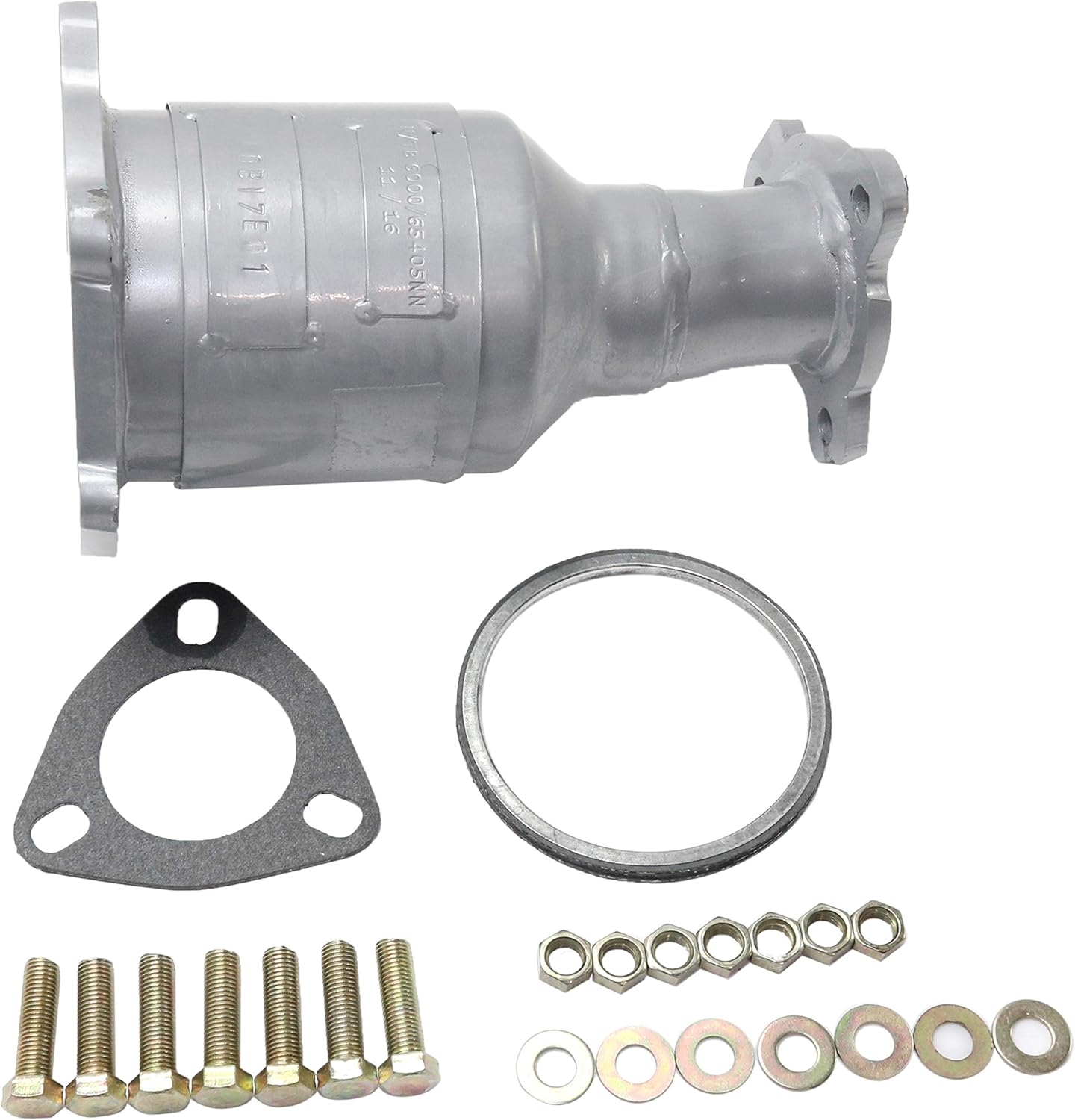
The 2004 Nissan Pathfinder, a mid-size SUV known for its ruggedness and reliability, incorporates a catalytic converter as a vital component of its emission control system. This article delves into the intricacies of the catalytic converter found in this model, exploring its function, construction, common failure modes, and troubleshooting techniques. While seemingly simple, the catalytic converter is a marvel of chemical engineering, crucial for minimizing harmful pollutants released into the atmosphere.
The Role of the Catalytic Converter
At its core, a catalytic converter facilitates chemical reactions that transform harmful exhaust gases into less harmful substances. It primarily targets three major pollutants:
- Hydrocarbons (HC): Unburned fuel, a byproduct of incomplete combustion.
- Carbon Monoxide (CO): A poisonous gas also resulting from incomplete combustion.
- Nitrogen Oxides (NOx): Formed at high temperatures during combustion, contributing to smog and acid rain.
The catalytic converter uses a catalyst, typically platinum, palladium, and rhodium, to accelerate these chemical reactions. These catalysts are coated onto a ceramic or metallic substrate within the converter housing. Without the catalyst, these reactions would occur too slowly to be effective at reducing emissions.
Construction of the 2004 Pathfinder Catalytic Converter
The 2004 Nissan Pathfinder utilizes a three-way catalytic converter. This means it’s designed to simultaneously reduce all three major pollutants mentioned above. The key components include:
Housing
The housing is a robust, typically stainless steel, enclosure that protects the delicate internal components from the harsh environment of the exhaust system. It's designed to withstand high temperatures, vibrations, and corrosive elements. The housing is welded shut to prevent exhaust leaks, which would diminish the converter's efficiency and potentially introduce harmful gases into the passenger cabin.
Substrate
The substrate, also known as the catalyst support, provides a large surface area for the catalyst coating. Two common types are used:
- Ceramic Monolith: This is the most common type, resembling a honeycomb structure. The ceramic material is porous, providing an immense surface area for the catalyst coating. The honeycomb design allows for high exhaust flow with minimal backpressure.
- Metallic Foil: Constructed from thin layers of corrugated metallic foil, this type offers better heat transfer and is more resistant to thermal shock than ceramic substrates. They are generally more expensive but found in high-performance or heavy-duty applications.
The 2004 Pathfinder typically uses a ceramic monolith substrate due to its cost-effectiveness and adequate performance for its engine.
Catalyst Coating
The heart of the catalytic converter lies within the catalyst coating. This coating is a complex mixture of precious metals, primarily:
- Platinum (Pt): Primarily used to oxidize hydrocarbons (HC) and carbon monoxide (CO).
- Palladium (Pd): Also effective in oxidizing hydrocarbons (HC) and carbon monoxide (CO).
- Rhodium (Rh): Crucially important for reducing nitrogen oxides (NOx) into nitrogen and oxygen.
These metals are applied as a thin, highly dispersed layer on the substrate. The large surface area of the substrate maximizes the contact between the exhaust gases and the catalyst, optimizing the conversion efficiency.
Oxygen Sensors
While not strictly part of the catalytic converter itself, oxygen sensors (O2 sensors) play a crucial role in its proper function. The 2004 Pathfinder utilizes at least two O2 sensors: one upstream of the converter and one downstream.
- Upstream Sensor (Pre-Catalyst): This sensor monitors the oxygen content of the exhaust gas *before* it enters the converter. The engine control unit (ECU) uses this information to adjust the air-fuel mixture, ensuring optimal combustion and converter efficiency.
- Downstream Sensor (Post-Catalyst): This sensor monitors the oxygen content of the exhaust gas *after* it has passed through the converter. It provides feedback to the ECU on the converter's performance. A properly functioning converter will significantly reduce the oxygen content downstream.
The ECU compares the signals from the upstream and downstream sensors. If the downstream sensor indicates a similar oxygen level to the upstream sensor, it suggests the converter is not functioning efficiently and will trigger a diagnostic trouble code (DTC), illuminating the "Check Engine" light.
How the Three-Way Catalytic Converter Works
The three-way catalytic converter achieves its pollutant reduction through a combination of oxidation and reduction reactions.
Reduction of NOx
Rhodium (Rh) catalyzes the reduction of nitrogen oxides (NOx) into nitrogen (N2) and oxygen (O2):
2NOx -> xO2 + N2
This reaction requires a slightly rich air-fuel mixture (slightly more fuel than air) to be most effective. The upstream O2 sensor helps the ECU maintain this optimal air-fuel ratio.
Oxidation of HC and CO
Platinum (Pt) and Palladium (Pd) catalyze the oxidation of hydrocarbons (HC) and carbon monoxide (CO) into carbon dioxide (CO2) and water (H2O):
2CO + O2 -> 2CO2
HC + O2 -> H2O + CO2
These reactions require an excess of oxygen. The slightly rich air-fuel mixture used for NOx reduction can create a deficiency of oxygen for HC and CO oxidation. The three-way converter balances these opposing needs to achieve optimal reduction of all three pollutants.
Common Failure Modes of the Catalytic Converter
Catalytic converters are durable components, but they can fail over time due to several factors:
Contamination
Contamination is the most common cause of catalytic converter failure. Substances like lead, phosphorus, and sulfur can poison the catalyst, rendering it inactive. These contaminants can originate from:
- Leaded Fuel: Although leaded fuel is largely phased out, using it even once can severely damage the converter.
- Engine Oil: Excessive oil consumption, often due to worn piston rings or valve seals, can deposit oil onto the catalyst, poisoning it.
- Coolant: A leaking head gasket or cracked cylinder head can allow coolant to enter the combustion chamber and contaminate the converter.
Overheating
Excessively rich air-fuel mixtures can cause the converter to overheat. Unburned fuel entering the converter ignites on the catalyst, generating extreme temperatures that can melt or damage the substrate and catalyst coating. This can be caused by:
- Faulty Fuel Injectors: Leaking or improperly functioning fuel injectors can deliver too much fuel to the engine.
- Malfunctioning Oxygen Sensors: Incorrect readings from the O2 sensors can lead to improper air-fuel mixture adjustments by the ECU.
- Ignition Problems: Misfires due to faulty spark plugs, ignition coils, or wiring issues can send unburned fuel into the converter.
Physical Damage
Impact damage from road debris or accidents can physically damage the converter housing or substrate, reducing its efficiency or causing it to break apart.
Age and Degradation
Over time, the catalyst can simply degrade due to normal wear and tear. The active surface area of the catalyst decreases, reducing its ability to effectively convert pollutants.
Troubleshooting the 2004 Pathfinder Catalytic Converter
If you suspect a problem with your 2004 Pathfinder's catalytic converter, several troubleshooting steps can be taken:
Check Engine Light and Diagnostic Trouble Codes (DTCs)
The "Check Engine" light is the primary indicator of a potential catalytic converter issue. Use an OBD-II scanner to retrieve the DTCs stored in the ECU. Common codes related to the catalytic converter include:
- P0420: Catalyst System Efficiency Below Threshold (Bank 1)
- P0430: Catalyst System Efficiency Below Threshold (Bank 2)
- P0421: Warm Up Catalyst Efficiency Below Threshold (Bank 1)
- P0431: Warm Up Catalyst Efficiency Below Threshold (Bank 2)
Note: These codes don't always mean the converter is bad. They often indicate a problem with the engine's air-fuel mixture control, O2 sensors, or other engine components. Further diagnosis is necessary.
Visual Inspection
Visually inspect the converter for any signs of physical damage, such as dents, cracks, or rust. Check the exhaust system for leaks near the converter. A leaking exhaust system can disrupt the converter's operation.
Oxygen Sensor Testing
Use a multimeter or oscilloscope to test the functionality of the oxygen sensors. Compare the readings from the upstream and downstream sensors. A healthy downstream sensor should show a more stable voltage reading than the upstream sensor, indicating that the converter is effectively reducing the oxygen content in the exhaust gas.
Backpressure Testing
A clogged catalytic converter can create excessive backpressure in the exhaust system, hindering engine performance. A backpressure test can be performed by removing the upstream O2 sensor and installing a pressure gauge. Excessive backpressure indicates a potential blockage within the converter.
Conclusion
The catalytic converter in the 2004 Nissan Pathfinder is a sophisticated device that plays a crucial role in minimizing harmful emissions. Understanding its function, construction, failure modes, and troubleshooting techniques allows owners and mechanics to properly diagnose and maintain this essential component, contributing to a cleaner environment and optimal vehicle performance. Proper maintenance of the engine, including addressing oil leaks and ensuring proper air-fuel mixture control, is key to extending the lifespan of the catalytic converter and preventing costly repairs. Always consult a qualified mechanic for complex diagnostics or repairs.