
2006 Nissan Altima Exhaust System Diagram
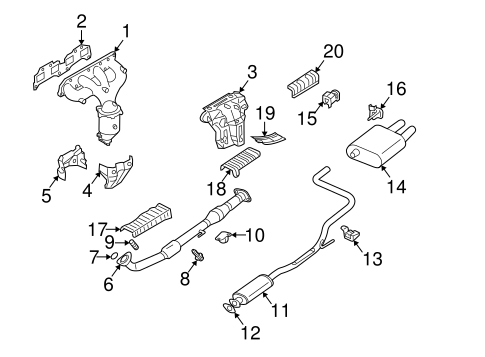
Understanding the 2006 Nissan Altima exhaust system is crucial for proper maintenance and troubleshooting. This article provides a comprehensive overview, focusing on the system's components and how a diagram can assist in diagnosis and repair.
The Importance of a Functional Exhaust System
The exhaust system in your 2006 Nissan Altima plays a vital role beyond just reducing noise. It's a critical component for engine performance, fuel efficiency, and emissions control. A well-functioning exhaust system:
- Removes harmful gases: It channels exhaust gases away from the engine and passengers.
- Reduces emissions: Catalytic converters convert pollutants into less harmful substances.
- Improves fuel efficiency: Proper backpressure contributes to optimal engine operation.
- Minimizes noise: Mufflers dampen the sound produced by combustion.
A faulty exhaust system can lead to several problems, including decreased engine performance, increased fuel consumption, failing emissions tests, and potentially dangerous carbon monoxide leaks. That's why regular inspection and timely repairs are essential.
Components of the 2006 Nissan Altima Exhaust System
The exhaust system in a 2006 Nissan Altima consists of several interconnected parts, each serving a specific purpose. Understanding these components is vital for interpreting an exhaust system diagram and diagnosing issues effectively.
Exhaust Manifold
The exhaust manifold is the first component connected to the engine. It collects exhaust gases from each cylinder and channels them into a single pipe. Cracks or leaks in the manifold can lead to exhaust leaks and decreased engine performance. Look for signs of heat damage or visible cracks. Manifolds are typically made of cast iron or, in some performance applications, stainless steel.
Catalytic Converter
The catalytic converter is arguably the most important emissions control device in the exhaust system. It uses catalysts to convert harmful pollutants, such as hydrocarbons, carbon monoxide, and nitrogen oxides, into less harmful substances like carbon dioxide, water, and nitrogen. A failing catalytic converter can cause a vehicle to fail an emissions test and significantly reduce fuel efficiency. Common causes of catalytic converter failure include engine misfires and excessive oil consumption. It's crucial to diagnose and address the underlying cause of converter failure before replacing it.
Oxygen Sensors (O2 Sensors)
Oxygen sensors, often located before and after the catalytic converter, monitor the oxygen content in the exhaust gas. This information is sent to the engine control unit (ECU), which uses it to adjust the air-fuel mixture for optimal combustion. Faulty O2 sensors can lead to poor fuel economy, rough idling, and illuminated check engine lights. Diagnosing O2 sensor problems typically involves using a scan tool to monitor sensor readings and check for diagnostic trouble codes (DTCs).
Muffler
The muffler is designed to reduce the noise generated by the engine. It uses a series of chambers and baffles to dampen sound waves. A rusted or damaged muffler can cause excessive noise and may require replacement. Look for signs of rust, holes, or loose connections.
Resonator (Optional)
Some 2006 Nissan Altima models may have a resonator, which is an additional noise-reducing component located before the muffler. Resonators help to further refine the exhaust note and minimize unwanted frequencies.
Exhaust Pipes
Exhaust pipes connect all the components of the exhaust system. These pipes are typically made of steel and are susceptible to rust and corrosion, especially in areas with harsh weather conditions. Leaks in exhaust pipes can cause noise, reduced performance, and potentially dangerous exhaust fumes to enter the cabin. Regularly inspect exhaust pipes for signs of damage and address any issues promptly.
Hangers and Mounts
Hangers and mounts secure the exhaust system to the vehicle's undercarriage. These components are crucial for preventing the exhaust system from vibrating and causing damage. Worn or broken hangers can cause the exhaust system to sag, potentially leading to leaks or damage to other components. Check the hangers regularly and replace them as needed.
Using a 2006 Nissan Altima Exhaust System Diagram
A 2006 Nissan Altima exhaust system diagram is a valuable tool for anyone working on their car's exhaust system. It provides a visual representation of all the components and their connections, making it easier to identify parts, troubleshoot problems, and perform repairs. You can typically find these diagrams in:
- Repair manuals: Haynes and Chilton manuals often include detailed diagrams.
- Online databases: Many automotive parts websites and online forums provide access to technical diagrams.
- Dealerships: Nissan dealerships can provide specific diagrams for your vehicle.
When using a diagram, pay attention to the following:
- Component locations: The diagram will show you where each component is located on the vehicle.
- Connections: Note how the different components are connected. This is important for ensuring that you reassemble the system correctly.
- Part numbers: The diagram may include part numbers, which can be helpful when ordering replacement parts. Always verify the part number with your vehicle's VIN to ensure compatibility.
Troubleshooting Common Exhaust System Problems
Several common problems can affect the 2006 Nissan Altima exhaust system. Being able to diagnose these issues will save time and money.
Exhaust Leaks
Exhaust leaks are one of the most common problems. They can occur at any point in the system, from the manifold to the tailpipe. Symptoms of an exhaust leak include:
- Loud exhaust noise
- Reduced fuel economy
- Poor engine performance
- The smell of exhaust fumes inside the car
To locate an exhaust leak, start by visually inspecting the system for signs of rust, cracks, or holes. You can also use a soapy water solution to identify leaks. Spray the solution on suspected areas and look for bubbles. Be careful when working around a hot exhaust system.
Catalytic Converter Failure
Catalytic converter failure is another common issue. Symptoms include:
- Reduced engine performance
- Poor fuel economy
- Failing an emissions test
- Check engine light (typically a P0420 code)
Diagnosing catalytic converter failure often requires using a scan tool to monitor the readings from the oxygen sensors. A failing converter will typically show abnormal sensor patterns.
Muffler Damage
Muffler damage is usually caused by rust or impact. Symptoms include:
- Loud exhaust noise
- Visible rust or holes in the muffler
- Rattling sounds from the exhaust system
Muffler replacement is usually straightforward, but it may require cutting and welding if the muffler is welded to the exhaust pipes.
Oxygen Sensor Failure
Oxygen sensor failure can cause a variety of problems, including:
- Poor fuel economy
- Rough idling
- Check engine light
Diagnosing oxygen sensor failure typically involves using a scan tool to monitor sensor readings and check for diagnostic trouble codes.
Maintenance Tips for Your 2006 Nissan Altima Exhaust System
Proper maintenance can help extend the life of your 2006 Nissan Altima exhaust system. Here are a few tips:
- Regular inspections: Inspect the exhaust system regularly for signs of rust, damage, or leaks.
- Address problems promptly: Repair any issues as soon as they are detected to prevent further damage.
- Proper engine maintenance: Ensure that your engine is properly maintained to prevent damage to the catalytic converter. Address any misfires or excessive oil consumption promptly.
- Avoid short trips: Short trips can cause condensation to build up in the exhaust system, which can accelerate rust and corrosion.
- Use quality fuel: Using high-quality fuel can help prevent damage to the catalytic converter.
By understanding the components of your 2006 Nissan Altima exhaust system and using a diagram for troubleshooting, you can keep your car running smoothly and efficiently. Regular maintenance and prompt repairs will help extend the life of your exhaust system and prevent costly problems down the road. Consult a qualified mechanic if you're not comfortable performing repairs yourself. Safety should always be your top priority.