
2006 Nissan Altima Rear Window Replacement
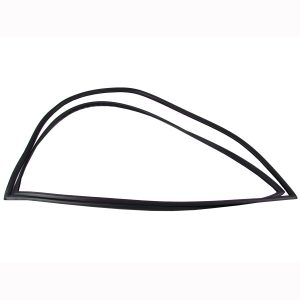
So, you're dealing with a broken rear window on your 2006 Nissan Altima? That's never a fun situation, but don't worry, it's a repair that can be handled. This article will walk you through the process, potential problems, and solutions to get your Altima back in shape. We'll cover everything from assessing the damage to understanding the replacement options and even a rough estimate of the costs involved. Think of me as your experienced mechanic friend guiding you through this.
Understanding the Situation
First things first, let's evaluate the extent of the damage. Is it a small crack, a shattered window, or something in between? The severity will dictate your next steps. A small chip might be repairable (though rare for rear windows), while a complete break requires full replacement. Also, consider why the window broke. Was it vandalism, an accident, or perhaps something falling from above? Knowing the cause can sometimes help prevent future occurrences.
Important: Before you do anything, make sure the area around the broken glass is safe. Wear gloves and eye protection to avoid cuts. Carefully remove any large shards of glass from the interior and exterior of the car. You might want to use a vacuum cleaner to get rid of any small pieces that are hard to reach.
Why Can’t I Just Repair It Like a Windshield?
That's a fair question! While windshields are often repairable due to the laminate layer that holds them together even when cracked, rear windows are typically made of tempered glass. Tempered glass is designed to shatter into small, relatively harmless pieces upon impact. This is a safety feature, but it also means that cracks tend to spread rapidly and repairs are usually impossible or not recommended. Trying to repair tempered glass can compromise its structural integrity and safety.
The Replacement Process: A Step-by-Step Overview
While replacing a rear window yourself is possible, it's generally recommended to have it done by a professional. It requires specific tools, expertise, and can be tricky, especially with the defroster grid. However, if you're a confident DIYer, here's a general outline of what's involved:
1. Preparation is Key
Gather your supplies. Here’s a list of tools and materials you might need:
- New rear window specifically for a 2006 Nissan Altima
- Safety glasses and gloves
- Razor blade or glass scraper
- Urethane adhesive (windshield adhesive)
- Urethane primer
- Caulking gun
- Suction cups (for lifting the window)
- Heat gun (optional, for softening old adhesive)
- Trim removal tools
- Vacuum cleaner
- Shop towels
- Possibly a helper
2. Removing the Old Window
This is often the most challenging part. You need to carefully cut through the adhesive that holds the old window in place. Here's a breakdown:
Tip: Use a razor blade or glass scraper to carefully cut through the urethane adhesive from the inside of the car. Work slowly and methodically, being careful not to damage the surrounding paint or trim. A heat gun can help soften the adhesive if it's particularly stubborn.
Once you've cut through the adhesive all the way around, use suction cups to carefully lift the old window out of the frame. Have a helper assist you, as the window can be heavy and awkward.
3. Preparing the Opening
With the old window removed, you need to clean the opening thoroughly. Remove any remaining adhesive with a razor blade or scraper. Then, use a vacuum cleaner to remove any debris or glass shards. This is crucial for a good seal.
4. Priming and Applying Adhesive
Apply a urethane primer to the frame where the new window will sit. This helps the adhesive bond properly. Follow the manufacturer's instructions for the primer. Next, using a caulking gun, apply a thick, even bead of urethane adhesive around the perimeter of the frame. This is what will hold the new window in place.
5. Installing the New Window
Carefully position the new window over the opening, using suction cups to lift and maneuver it. Press the window firmly into the adhesive, ensuring it's properly aligned.
6. Securing and Curing
Use masking tape to secure the window in place while the adhesive cures. Follow the adhesive manufacturer's instructions for curing time (usually several hours or overnight). Avoid driving the car during this time to prevent the window from shifting.
7. Reconnecting the Defroster (Important!)
The 2006 Altima's rear window has a defroster grid. You'll need to carefully reconnect the electrical connectors to the defroster terminals on the new window. Make sure the connections are secure.
8. Final Touches
Remove the masking tape and clean the window thoroughly. Inspect the seal to ensure there are no gaps or leaks. If you notice any gaps, apply additional adhesive or sealant as needed.
Potential Problems and Solutions
Even with careful planning, things can go wrong. Here are some common issues and how to address them:
- Adhesive not bonding properly: This could be due to insufficient primer, using the wrong type of adhesive, or applying the adhesive to a dirty surface. Make sure to use the correct primer and adhesive, and clean the surface thoroughly before application.
- Leaks: Leaks can occur if the adhesive seal is not complete. Identify the source of the leak and apply additional adhesive or sealant to fill the gap.
- Damaging the paint: Be extremely careful when cutting through the old adhesive to avoid scratching or chipping the paint around the window opening. Use trim removal tools to protect the paint.
- Defroster not working: This could be due to loose or damaged electrical connectors. Double-check the connections and ensure they are secure. If the defroster still doesn't work, the defroster grid itself may be damaged.
- Incorrect Window Fit: Ensure that the replacement window is specifically designed for a 2006 Nissan Altima. Small variations in size or shape can prevent a proper seal.
The Defroster Grid: A Delicate Matter
As mentioned, the defroster grid on the rear window is essential, especially during colder months. It's also one of the most delicate parts of the replacement process. Here's what you need to know:
- Handle with care: The defroster grid consists of thin, conductive lines. Avoid scratching or damaging these lines during the replacement process.
- Proper connections: Ensure that the electrical connectors are securely attached to the defroster terminals. Loose connections can cause the defroster to malfunction.
- Testing: After the replacement, test the defroster to make sure it's working properly. If it's not, check the connections and the defroster grid for any damage.
- Repairing Damaged Lines: There are defroster grid repair kits available, but they are often a temporary fix. If several lines are damaged, replacing the window is usually the best option.
Cost Considerations
The cost of replacing a rear window on a 2006 Nissan Altima can vary depending on several factors:
- Professional Installation vs. DIY: Professional installation will obviously be more expensive due to labor costs, but it offers peace of mind and a guarantee of proper installation.
- Type of Glass: The cost of the replacement window itself can vary depending on the manufacturer and whether it's OEM (Original Equipment Manufacturer) or aftermarket.
- Location: Labor rates vary depending on your geographic location.
- Additional Damage: If there's any damage to the surrounding trim or paint, the cost will increase.
Rough Estimate: As a general guideline, you can expect to pay anywhere from $250 to $500 for professional rear window replacement on a 2006 Nissan Altima. This includes the cost of the window, adhesive, and labor. Getting a quote from a few different auto glass shops is always a good idea.
When to Call a Professional
While some DIYers are comfortable tackling rear window replacement, there are situations where it's best to leave it to the professionals:
- You're not comfortable working with glass or adhesives: Safety is paramount. If you're not confident in your ability to handle the materials and tools safely, it's best to hire a professional.
- You have limited experience with auto repairs: Replacing a rear window requires some mechanical aptitude and experience. If you're a complete novice, you may run into problems.
- You don't have the necessary tools: Investing in all the necessary tools can be expensive. If you only need to replace a window once, it may be more cost-effective to hire a professional.
- You want a guaranteed result: Professional auto glass shops typically offer a warranty on their work. If anything goes wrong, they'll fix it.
In conclusion, replacing a rear window on your 2006 Nissan Altima is a manageable, though potentially challenging, task. By understanding the process, potential problems, and cost considerations, you can make an informed decision about whether to tackle it yourself or hire a professional. Remember safety first, and good luck getting your Altima back on the road!