
2006 Nissan Armada Transmission Fluid Type
The 2006 Nissan Armada, a full-size SUV known for its towing capacity and spacious interior, relies on a robust automatic transmission to deliver power to the wheels. A critical, and often overlooked, element of this transmission's longevity and performance is the correct transmission fluid. Using the wrong fluid can lead to a cascade of problems, from diminished shift quality to outright transmission failure. This article delves into the specifics of the 2006 Nissan Armada's transmission fluid requirements, exploring the technical reasons behind Nissan's recommendations and outlining the potential consequences of deviating from them.
Understanding the RE5R05A Transmission
The 2006 Nissan Armada predominantly utilizes the RE5R05A 5-speed automatic transmission. This transmission, manufactured by JATCO (Japanese Automatic Transmission Company), is a common sight in various Nissan and Infiniti vehicles of the era. It's a longitudinally mounted, electronically controlled transmission known for its durability when properly maintained. The "RE" designates it as a rear-wheel drive electronic transmission, "5" signifies the number of forward gears, "R" indicates a revised design, and "05A" is the specific model designation.
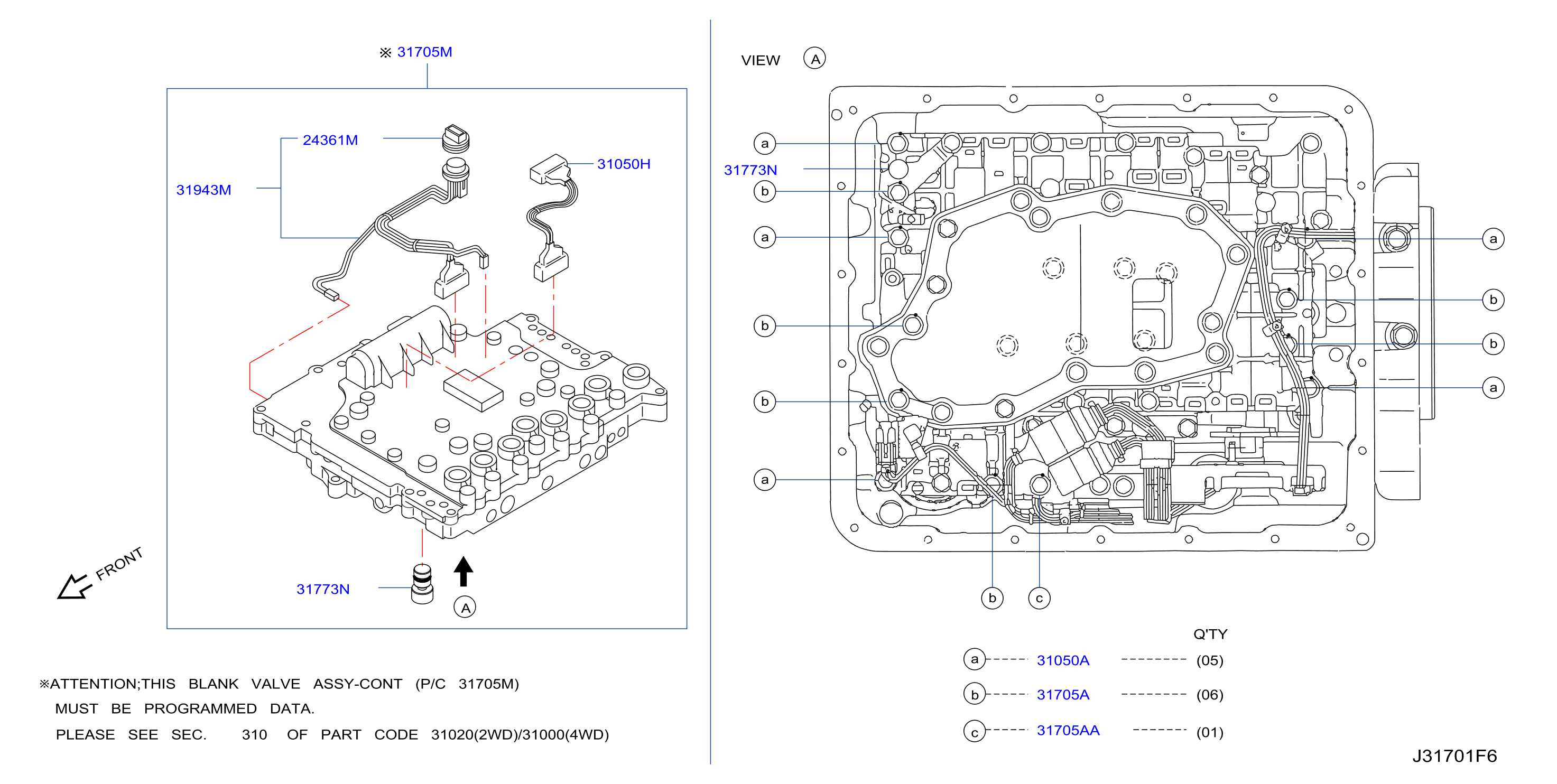
Internally, the RE5R05A is a complex system of planetary gearsets, clutches, bands, and hydraulic circuits. The transmission fluid acts as more than just a lubricant; it's a hydraulic fluid responsible for actuating the clutches and bands that engage different gear ratios. It also serves as a coolant, dissipating heat generated by friction within the transmission, and a cleaning agent, carrying away wear debris to the filter.
Why the Right Fluid Matters: A Technical Deep Dive
The 2006 Nissan Armada's owner's manual and Nissan technical service bulletins (TSBs) explicitly specify the use of Nissan Matic-S transmission fluid. This isn't merely a branding exercise; Matic-S is a carefully formulated fluid with specific properties crucial for the proper operation and longevity of the RE5R05A transmission.
Here's a breakdown of why Matic-S, or a suitable equivalent, is essential:
- Viscosity: Transmission fluid viscosity is a measure of its resistance to flow. Matic-S has a specific viscosity index, designed to maintain consistent performance across a wide range of operating temperatures. Too high a viscosity can lead to sluggish shifting and increased internal friction, while too low a viscosity can result in insufficient lubrication and increased wear. The RE5R05A's valve body and hydraulic circuits are calibrated for a specific viscosity range. Using a fluid with a different viscosity can disrupt the delicate balance of hydraulic pressures, leading to erratic shifting, slippage, and ultimately, damage.
- Friction Modifiers: Automatic transmissions rely on friction materials in the clutches and bands to engage and disengage gears. The transmission fluid contains friction modifiers that control the friction coefficient between these surfaces. Matic-S is formulated with friction modifiers specifically designed to provide smooth, consistent engagement of the RE5R05A's clutches and bands. Using a fluid with incompatible friction modifiers can cause harsh shifting, shuddering, or clutch slippage, accelerating wear and tear.
- Oxidation Stability: Transmission fluid is subjected to high temperatures and pressures within the transmission, which can cause it to oxidize and degrade over time. Oxidation leads to the formation of sludge and varnish, which can clog hydraulic passages, impair valve body function, and reduce the fluid's cooling capacity. Matic-S is formulated with antioxidants to resist oxidation and maintain its performance characteristics for extended periods.
- Seal Compatibility: Automatic transmissions contain numerous seals made of various materials, such as rubber and elastomers. These seals prevent fluid leaks and maintain hydraulic pressure. Matic-S is formulated to be compatible with the specific seal materials used in the RE5R05A transmission. Using a fluid that's incompatible with these seals can cause them to swell, shrink, or harden, leading to leaks and loss of hydraulic pressure.
- Anti-Foaming Properties: The churning action within the transmission can cause the fluid to foam. Foaming reduces the fluid's lubricating and cooling capacity and can interfere with the operation of hydraulic components. Matic-S contains anti-foaming agents to prevent the formation of foam and ensure proper fluid performance.
These factors highlight the critical importance of using the correct transmission fluid. It's not simply about lubrication; it's about maintaining the precise hydraulic pressures, friction characteristics, and material compatibility required for the RE5R05A transmission to function correctly.
Consequences of Using the Wrong Fluid
Substituting Matic-S with an incorrect or generic transmission fluid can have serious consequences for the 2006 Nissan Armada's transmission. Some potential problems include:
- Hard or Erratic Shifting: Incompatible friction modifiers can cause harsh engagement of the clutches and bands, resulting in jerky or unpredictable shifts.
- Transmission Slippage: Insufficient friction or incorrect viscosity can lead to clutch slippage, where the clutches fail to fully engage, resulting in a loss of power and increased wear.
- Overheating: Inadequate cooling due to reduced fluid flow or poor oxidation stability can cause the transmission to overheat, leading to accelerated wear and potential failure.
- Premature Wear: Insufficient lubrication or abrasive debris in the fluid can accelerate wear on the transmission's internal components, such as gears, bearings, and clutches.
- Seal Leaks: Incompatible fluids can damage the transmission's seals, leading to leaks and loss of hydraulic pressure.
- Valve Body Malfunction: Sludge and varnish deposits from oxidized fluid can clog the valve body's intricate hydraulic passages, impairing its ability to control shifting.
- Complete Transmission Failure: If left unaddressed, any of the above problems can lead to complete transmission failure, requiring costly repairs or replacement.
"While some aftermarket fluids claim to be 'compatible' or 'suitable' for Matic-S applications, it's crucial to exercise caution. These fluids may not meet the exact specifications required by the RE5R05A transmission."
Alternative Fluids and Compatibility
While Nissan explicitly recommends Matic-S, some aftermarket transmission fluids claim to meet or exceed its specifications. If considering an alternative fluid, it's essential to research and select a product from a reputable manufacturer that specifically states it's compatible with Nissan Matic-S and the RE5R05A transmission. Look for fluids that meet or exceed the JASO 1A standard, which is a performance specification for automatic transmission fluids. Always verify compatibility by consulting the fluid manufacturer's specifications and technical data sheets.
Some popular alternative fluids that are often cited as Matic-S compatible include (but always verify compatibility with the fluid manufacturer):
- Valvoline MaxLife DEX/Merc ATF (often cited as compatible, but always check latest specifications)
- Castrol Transmax Import Multi-Vehicle ATF (again, verify current specs)
- Amsoil Signature Series Fuel-Efficient Synthetic Automatic Transmission Fluid (requires checking specific application guide)
It's crucial to understand that using an alternative fluid is done at your own risk. Nissan's warranty, if applicable, may be voided if a non-approved fluid is used.
Checking and Changing the Transmission Fluid
Regularly checking and changing the transmission fluid is crucial for maintaining the 2006 Nissan Armada's transmission health. Consult the owner's manual for the recommended service intervals, which typically range from 30,000 to 60,000 miles, depending on driving conditions. Severe driving conditions, such as frequent towing or stop-and-go traffic, may warrant more frequent fluid changes.
Checking the fluid level: The 2006 Armada has a transmission fluid dipstick located in the engine bay. With the engine warmed up and idling in park, remove the dipstick, wipe it clean, reinsert it fully, and then remove it again to check the fluid level. The level should be within the "hot" range markings on the dipstick. If the fluid level is low, add fluid as needed, using only Matic-S or a verified compatible alternative.
Changing the fluid: The transmission fluid can be changed using one of two methods: a drain and fill or a full fluid exchange. A drain and fill involves removing the drain plug on the transmission pan, allowing the old fluid to drain out, and then refilling the transmission with fresh fluid. This method typically replaces only about 40-50% of the fluid. A full fluid exchange involves using a specialized machine to circulate fresh fluid through the transmission while simultaneously removing the old fluid. This method replaces nearly all of the fluid and is generally recommended for transmissions with a high mileage or those that have been subjected to severe driving conditions.
Regardless of the method used, it's essential to use the correct fluid and to follow the manufacturer's instructions carefully. If you're not comfortable performing this service yourself, it's best to take your Armada to a qualified mechanic who is familiar with Nissan transmissions.
Conclusion
Selecting the correct transmission fluid for the 2006 Nissan Armada is paramount for ensuring the longevity and performance of its RE5R05A transmission. While Nissan Matic-S is the recommended fluid, carefully researched and verified compatible alternatives can be used. Understanding the technical requirements of the transmission and the properties of the fluid is essential for making an informed decision. Neglecting this critical aspect of maintenance can lead to serious and costly transmission problems. By adhering to Nissan's recommendations and maintaining a proactive approach to transmission fluid maintenance, owners can help ensure their 2006 Armada's transmission provides years of reliable service.