
2006 Nissan Murano Engine Replacement Cost
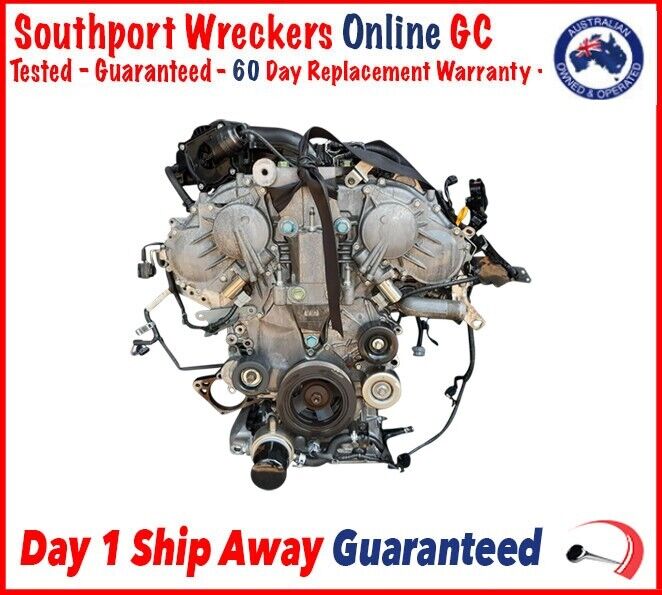
So, your 2006 Nissan Murano isn't sounding quite right, or maybe it's just plain not starting. You've done some preliminary checks, and the dreaded diagnosis is in: you likely need an engine replacement. That's never good news, but don't panic just yet. Let's break down what you're facing, what your options are, and what you can expect in terms of cost.
Understanding the Situation: Why Engine Replacement?
Before we dive into the financial side, it's crucial to understand why an engine replacement is necessary. Engines don't just fail overnight; there's usually a progression. Some common culprits in a 2006 Murano leading to engine replacement include:
- Catastrophic Mechanical Failure: This could be a rod knock (that awful knocking sound), a seized engine (won't turn over at all), or internal damage caused by a timing chain failure. These are often due to neglected maintenance or pre-existing issues that weren't addressed in time.
- Severe Overheating: Repeated or prolonged overheating can warp cylinder heads, damage pistons, and weaken engine components to the point of no return.
- Excessive Oil Consumption: While some oil consumption is normal, a significant increase can indicate worn piston rings or cylinder walls, leading to reduced compression and eventual engine failure.
- Lack of Maintenance: Let's be honest, skipping oil changes and ignoring warning lights is a surefire recipe for engine trouble down the road. The 2006 Murano's VQ35DE engine, while generally reliable, still needs proper care.
It's important to have a qualified mechanic perform a thorough inspection to confirm that engine replacement is truly the best course of action. Sometimes, a less expensive repair might be possible, but if the damage is extensive, replacement is often the most cost-effective long-term solution.
Your Options: New, Remanufactured, or Used?
When it comes to replacing your engine, you have three primary choices, each with its own advantages and disadvantages:
New Engine
A brand-new engine from Nissan is the gold standard. It comes with a factory warranty and the peace of mind knowing you're starting fresh. However, it's also the most expensive option. Expect to pay a significant premium for this option, and availability may be limited for a vehicle of this age.
Remanufactured Engine
A remanufactured engine is a used engine that has been completely disassembled, cleaned, inspected, and rebuilt with new or reconditioned parts. It's a good compromise between price and reliability. Reputable remanufacturers offer warranties, often covering parts and labor, providing a level of protection. Look for remanufacturers that follow strict quality control standards.
Used Engine
A used engine is the least expensive option, but also the riskiest. You're essentially buying a "pull-out" engine from a wrecked vehicle. The condition is largely unknown, and you're relying on the seller's honesty (which can be…variable). Warranties are usually short-term (30-90 days) and may only cover internal components. If you choose this route, try to find an engine with relatively low mileage and a verifiable history. Ask about compression tests and leak-down tests before purchasing. This option is best suited for someone on a very tight budget who is willing to take a gamble, or perhaps someone skilled at engine repair who can assess and address potential issues before installation.
Estimating the Cost: A Realistic Breakdown
Alright, let's talk numbers. The total cost of an engine replacement for your 2006 Nissan Murano will depend on several factors:
- Engine Choice: As discussed above, new engines are the most expensive, followed by remanufactured, and then used.
- Labor Costs: Labor rates vary significantly from shop to shop and region to region. Dealerships typically have the highest labor rates, followed by independent shops, and then DIY (if you're brave and experienced).
- Additional Parts: While the engine itself is the main component, you'll likely need to replace other parts during the process, such as:
- Engine mounts
- Hoses (radiator, heater)
- Belts
- Thermostat
- Water pump (often recommended even if it's not failing)
- Spark plugs
- Fluids (oil, coolant)
- Sales Tax: Don't forget to factor in sales tax on parts and labor.
Here's a rough estimate of the cost range you can expect (these are just estimates, get quotes from several shops for a more accurate picture):
- Used Engine: $800 - $1500 (engine only) + $800 - $1500 (labor) + $200-$500 (additional parts) = $1800 - $3500 total
- Remanufactured Engine: $2500 - $4500 (engine only) + $800 - $1500 (labor) + $300-$600 (additional parts) = $3600 - $6600 total
- New Engine: $5000 - $8000 (engine only) + $800 - $1500 (labor) + $400-$700 (additional parts) = $6200 - $10200 total
Important Considerations:
Always get multiple quotes! Call several reputable shops in your area and ask for a detailed breakdown of the costs. Don't just focus on the bottom line; ask about the warranty offered and the quality of the parts they use.
Ask about "core charge." Remanufacturers often require you to return your old engine as a "core." If you don't return it, you'll be charged an additional fee.
Factor in potential towing costs. If your Murano isn't running, you'll need to get it towed to the repair shop.
Consider the vehicle's overall condition. If your Murano has other major problems (transmission issues, rust, etc.), it might not be worth investing in a new engine. It might be more economical to consider replacing the entire vehicle.
DIY Engine Replacement: Proceed with Caution
If you're a skilled mechanic with plenty of experience and the necessary tools, you *could* attempt an engine replacement yourself. However, it's a complex and time-consuming project that requires specialized knowledge and equipment. Here's a general idea of what you'll need:
- Engine Hoist (Cherry Picker): Essential for lifting the engine in and out of the vehicle.
- Engine Stand: To securely hold the engine while you're working on it.
- Socket Set and Wrenches: Including metric sizes, as well as torque wrenches.
- Specialty Tools: Depending on the engine and vehicle, you might need specific tools for removing sensors, pulleys, or other components.
- Shop Manual: A detailed repair manual specific to your 2006 Nissan Murano is crucial for proper disassembly and reassembly.
- Safety Gear: Gloves, safety glasses, and sturdy shoes are essential for your protection.
Disclaimer: Attempting an engine replacement without the proper knowledge and experience can be dangerous and can cause further damage to your vehicle. It's generally best left to professionals.
Making the Decision: Repair vs. Replace?
Sometimes, even with significant engine damage, there's a debate to be had: repair the existing engine or replace it. This often depends on the extent of the damage. A cracked cylinder head, for example, *might* be repairable. However, if the block is cracked or there's extensive internal damage, replacement is usually the only viable option. Your mechanic can provide an informed opinion based on their inspection.
Finding a Reputable Mechanic
Choosing the right mechanic is just as important as choosing the right engine. Look for a shop with:
- Experience: Find a shop that has experience working on Nissan vehicles, specifically the VQ35DE engine.
- Certifications: Look for ASE (Automotive Service Excellence) certifications, which indicate that the mechanics have undergone training and testing.
- Positive Reviews: Check online reviews on sites like Google, Yelp, and the Better Business Bureau.
- Clear Communication: The mechanic should be able to clearly explain the problem, your options, and the associated costs.
- Warranty: Ask about the warranty offered on both parts and labor.
Replacing an engine is a significant investment, so take the time to research your options, get multiple quotes, and choose a reputable mechanic. By doing your homework, you can make an informed decision and get your 2006 Nissan Murano back on the road.