
2006 Nissan Sentra Transmission Fluid Type
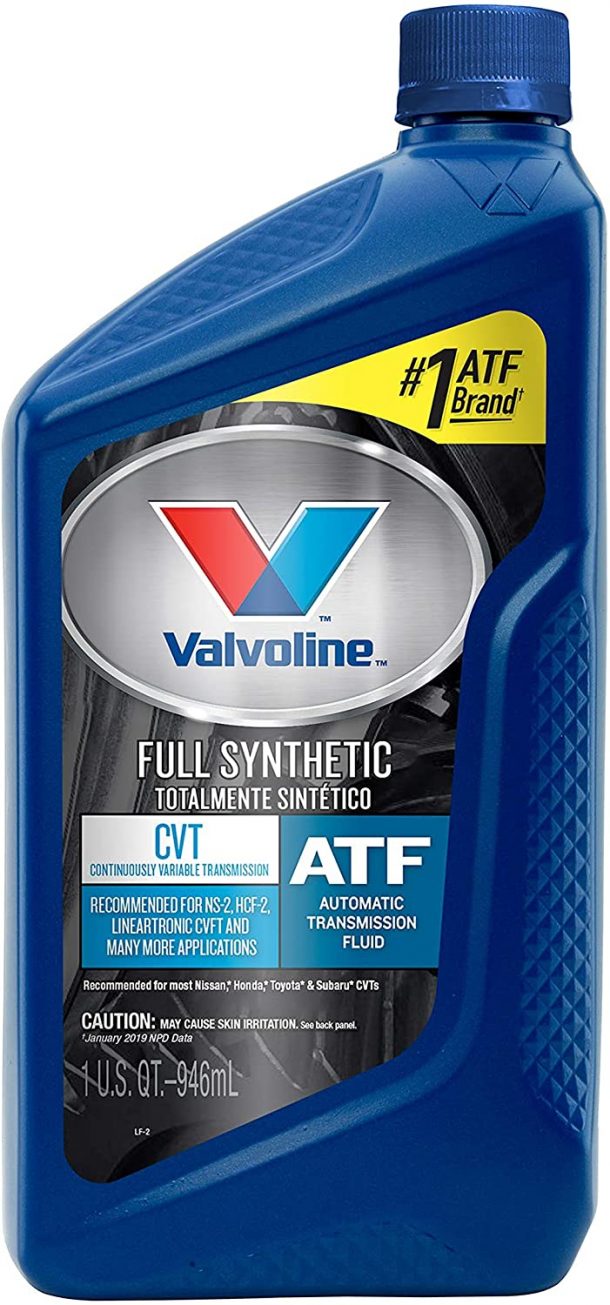
Alright, let's talk about the transmission fluid situation for your 2006 Nissan Sentra. Getting the right fluid is absolutely critical for the longevity and smooth operation of your transmission. Using the wrong stuff can lead to serious damage, so pay close attention to the details.
Understanding Your 2006 Sentra's Transmission Options
First and foremost, we need to determine which transmission you have. The 2006 Sentra came with two main options: a 4-speed automatic (often referred to as the RE4F03B in Nissan lingo, although it wasn't exclusive to the Sentra) and a 5-speed manual. This distinction is crucial because they require completely different fluids.
Automatic Transmission Fluid (ATF)
If you have the automatic, the specified fluid is Nissan Matic D ATF. This is a specific type of Automatic Transmission Fluid designed for Nissan vehicles of this era. Do not substitute with a generic ATF. I cannot stress this enough. While some generic ATFs claim to be "universal" or "multi-vehicle," they often lack the specific friction modifiers and other additives required for proper operation of Nissan transmissions. Using an incorrect fluid can lead to slipping, shuddering, overheating, and ultimately, premature transmission failure.
Why is it so important to use Matic D? Automatic transmissions are complex hydraulic systems. The fluid not only lubricates the internal components like gears, bearings, and clutch packs, but it also acts as the hydraulic fluid that enables gear changes. The valve body, a complex network of valves and passages, directs the fluid to engage different gears. Matic D has a specific viscosity and friction characteristics designed to optimize the performance and lifespan of these components in your Sentra's transmission.
Technical Note: The RE4F03B is a 4-speed electronically controlled automatic transmission. The electronic control module (ECM) and transmission control module (TCM) work together to monitor various sensors (vehicle speed, throttle position, engine temperature, etc.) and control the shift solenoids within the valve body. The fluid's properties are integral to this entire process.
Where can you get Matic D? Your best bet is a Nissan dealership. They will have the genuine fluid. Some auto parts stores may carry aftermarket fluids that are specifically formulated to meet the Matic D specification. If you go this route, carefully check the label to ensure it explicitly states "Suitable for use where Nissan Matic D is required" or similar wording. Don't just rely on the parts counter person's recommendation; read the label yourself. If there's any doubt, stick with the genuine Nissan fluid. While generally replaced by Matic-S and Matic-J in later models, it is crucial to use the correct fluid to ensure compatibility with older seals and materials.
Checking and Changing Automatic Transmission Fluid: The procedure for checking the fluid level involves using the dipstick located in the engine bay. It's usually marked with a yellow or orange handle. The proper level should be within the "HOT" range when the engine is at operating temperature and the transmission has been shifted through all gears. Changing the fluid involves draining the old fluid from the drain plug on the transmission pan and then refilling with the correct amount of new Matic D. Consult your owner's manual or a repair manual for the specific procedure and torque specifications.
Important Considerations When Changing ATF: It's usually a good idea to replace the drain plug washer. These are crush washers designed to seal properly and prevent leaks. Also, be careful not to overtighten the drain plug, as this can damage the threads in the transmission pan. While a complete flush might be tempting, simply draining and refilling is often sufficient and less risky, especially if the transmission hasn't been properly maintained in the past. A flush can sometimes dislodge debris that causes issues.
Manual Transmission Fluid
If you have the 5-speed manual transmission, you'll need a different type of fluid. The specified fluid is API GL-4 gear oil with a viscosity of 75W-90. This is a standard type of gear oil that is widely available at auto parts stores.
Why GL-4 and not GL-5? This is important. GL-5 gear oil contains extreme pressure (EP) additives that can be corrosive to the yellow metals (brass, bronze, copper) found in some manual transmissions. The 2006 Sentra's manual transmission uses synchros made of these metals, and GL-5 can gradually damage them over time, leading to poor shifting and premature wear. GL-4 gear oil has a lower concentration of these EP additives, making it safe for transmissions with yellow metal components.
What brands are good? Many reputable brands offer GL-4 75W-90 gear oil. Some popular choices include Red Line MT-90, Amsoil Synchromesh Transmission Fluid, and Pennzoil Synchromesh Fluid. The important thing is to ensure the label clearly states "API GL-4."
Checking and Changing Manual Transmission Fluid: Checking the fluid level in a manual transmission is typically done by removing a fill plug on the side of the transmission case. The fluid level should be at the bottom of the fill plug hole. To change the fluid, you'll need to remove both the fill plug and the drain plug (usually located on the bottom of the transmission). Allow the old fluid to drain completely, then reinstall the drain plug with a new washer (if applicable). Finally, fill the transmission with the new GL-4 gear oil until it reaches the bottom of the fill plug hole. Again, consult your owner's manual or a repair manual for the specific procedure and torque specifications.
Tips for Changing Manual Transmission Fluid: Make sure you can loosen both the fill and drain plugs before you drain the old fluid. It's incredibly frustrating to drain the fluid only to discover that you can't remove the fill plug! A penetrating oil like PB Blaster can help loosen stubborn plugs. Also, consider using a fluid transfer pump to make filling the transmission easier. It can be difficult to pour the fluid directly into the fill hole without making a mess.
General Advice
Regardless of whether you have the automatic or manual transmission, it's always a good idea to follow the manufacturer's recommended maintenance schedule. Regular fluid changes are essential for keeping your transmission in good condition and preventing costly repairs down the road. If you're unsure about any aspect of the fluid change procedure, it's best to consult with a qualified mechanic.
Mileage Matters: If your Sentra has high mileage and the transmission fluid has never been changed, proceed with caution. A sudden fluid change after years of neglect can sometimes dislodge accumulated deposits, which can then clog valve bodies and other components. In such cases, it might be better to perform a series of drain-and-fills over a period of time to gradually refresh the fluid without causing any issues. Discuss this with a trusted mechanic.
Listen to Your Transmission: Pay attention to any unusual noises, slipping, or hard shifting. These could be signs of a problem with your transmission or the fluid. Addressing these issues early can often prevent more serious damage.
In conclusion, knowing the specific transmission in your 2006 Nissan Sentra is the first step. Use Nissan Matic D ATF for the 4-speed automatic and API GL-4 75W-90 gear oil for the 5-speed manual. Proper fluid selection and regular maintenance are key to a long and happy life for your Sentra's transmission.