
2007 Nissan Frontier Fuel Pump Replacement
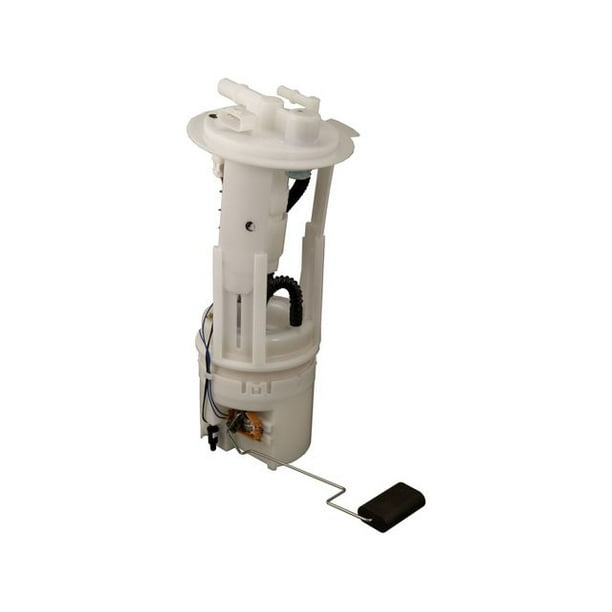
2007 Nissan Frontier Fuel Pump Replacement: A Comprehensive Guide
The 2007 Nissan Frontier is a reliable truck, but like all vehicles, certain components can fail over time. One common issue owners may encounter is a faulty fuel pump. A failing fuel pump can lead to a variety of problems, from poor engine performance to a complete inability to start the vehicle. This guide will provide a comprehensive overview of 2007 Nissan Frontier fuel pump replacement, covering symptoms, tools required, step-by-step instructions, and important considerations.
Understanding the Fuel Pump's Role
The fuel pump's primary function is to deliver fuel from the gas tank to the engine at the correct pressure. In the 2007 Nissan Frontier, the fuel pump is typically located inside the fuel tank. When the pump begins to fail, it might not be able to supply the engine with sufficient fuel, leading to various performance issues.
Recognizing the Symptoms of a Failing Fuel Pump
Early detection of fuel pump problems can prevent more serious issues and costly repairs. Be alert for the following symptoms:
- Difficulty Starting: This is one of the most common symptoms. The engine might crank but fail to start, especially after the vehicle has been sitting for a while. This could be an intermittent issue at first.
- Stalling: The engine might stall unexpectedly, particularly when under load or at higher speeds.
- Poor Engine Performance: You might notice a lack of power, hesitation during acceleration, or rough idling.
- Decreased Fuel Efficiency: A failing fuel pump can cause the engine to run inefficiently, leading to lower gas mileage.
- Unusual Noises: You might hear a whining or buzzing sound coming from the fuel tank, especially when the ignition is turned on.
- Check Engine Light: A faulty fuel pump can trigger the check engine light. A diagnostic scan tool can help confirm the issue.
If you experience one or more of these symptoms, it's crucial to have your vehicle inspected by a qualified mechanic. Ignoring these signs could lead to a complete fuel pump failure, leaving you stranded.
Tools and Materials Needed for Fuel Pump Replacement
Replacing the fuel pump requires some mechanical skill and the right tools. Here's a list of the essential items you'll need:
- New Fuel Pump Module: Purchase a high-quality replacement fuel pump module specifically designed for your 2007 Nissan Frontier. Ensure it matches your vehicle's specifications (engine size, 2WD or 4WD).
- Fuel Tank Strap Wrench (or equivalent): Needed to loosen and remove the fuel tank straps.
- Jack and Jack Stands: To safely lift and support the vehicle. Never work under a vehicle supported only by a jack.
- Wheel Chocks: To prevent the vehicle from rolling.
- Screwdrivers (various sizes): Both flathead and Phillips head screwdrivers.
- Socket Set: Metric sockets and wrenches.
- Pliers: For disconnecting fuel lines and electrical connectors.
- Hammer: Might be needed to loosen stubborn parts.
- Fuel Line Disconnect Tool: Essential for safely disconnecting fuel lines without damaging them.
- Multimeter: To test electrical connections.
- Safety Glasses: To protect your eyes.
- Gloves: To protect your hands from fuel and grime.
- Fire Extinguisher: Always have a fire extinguisher nearby when working with fuel.
- Fuel-Resistant Container: To safely drain any remaining fuel from the tank.
- Shop Rags: For cleaning up spills and wiping down parts.
- Penetrating Oil: To loosen rusted bolts and fittings.
- New Fuel Filter: Consider replacing the fuel filter at the same time as the fuel pump, as it's often clogged and can contribute to fuel pump failure.
Step-by-Step Fuel Pump Replacement Guide
Warning: This procedure involves working with flammable fuel. Take all necessary safety precautions. Work in a well-ventilated area, avoid sparks or open flames, and wear safety glasses and gloves.
- Safety First: Disconnect the negative battery cable to prevent electrical shorts. Engage the parking brake and chock the rear wheels.
- Accessing the Fuel Tank: Locate the fuel tank under the rear of the vehicle.
- Reduce Fuel Level: Ideally, the fuel tank should be as empty as possible. If the tank is full, you might need to siphon out some fuel using a fuel-safe siphon.
- Support the Fuel Tank: Use a jack to support the fuel tank. Place a piece of wood between the jack and the tank to prevent damage.
- Disconnect Fuel Lines and Electrical Connectors: Carefully disconnect the fuel lines from the fuel pump module. Use the fuel line disconnect tool to release the clips. Disconnect the electrical connector to the fuel pump. Be prepared for some fuel spillage.
- Remove the Fuel Tank Straps: Use the fuel tank strap wrench (or equivalent) to loosen and remove the fuel tank straps. Slowly lower the fuel tank using the jack.
- Access the Fuel Pump Module: Once the fuel tank is lowered, locate the fuel pump module on top of the tank.
- Remove the Fuel Pump Module: Carefully remove the fuel pump module retaining ring. Some retaining rings require a special tool, while others can be loosened with a hammer and screwdriver. Once the ring is loose, carefully remove the fuel pump module from the tank.
- Install the New Fuel Pump Module: Install the new fuel pump module into the fuel tank, ensuring the O-ring seal is properly seated. Secure the fuel pump module retaining ring.
- Reinstall the Fuel Tank: Carefully raise the fuel tank back into position using the jack. Reinstall the fuel tank straps and tighten them securely.
- Reconnect Fuel Lines and Electrical Connectors: Reconnect the fuel lines to the fuel pump module. Make sure they are securely attached. Reconnect the electrical connector to the fuel pump.
- Reconnect the Battery: Reconnect the negative battery cable.
- Test the Fuel Pump: Turn the ignition key to the "ON" position (without starting the engine) to allow the fuel pump to prime. Listen for the fuel pump to run for a few seconds.
- Start the Engine: Start the engine and check for any fuel leaks. Let the engine run for a few minutes to ensure everything is working properly.
- Check for Error Codes: Use a diagnostic scan tool to check for any error codes. Clear any codes that may have been triggered during the replacement process.
Important Considerations and Tips
- Fuel Quality: Using high-quality fuel can help prolong the life of your fuel pump. Avoid using fuel with high ethanol content, as it can damage fuel system components.
- Fuel Filter Replacement: As mentioned earlier, it's highly recommended to replace the fuel filter at the same time as the fuel pump. A clogged fuel filter can put extra strain on the fuel pump and shorten its lifespan.
- Professional Installation: If you're not comfortable performing this repair yourself, it's best to have a qualified mechanic replace the fuel pump.
- Safety Precautions: Always prioritize safety when working with fuel. Follow all safety precautions outlined in this guide and consult your vehicle's service manual for additional information.
- OEM vs. Aftermarket Parts: When purchasing a replacement fuel pump, consider using an Original Equipment Manufacturer (OEM) part or a reputable aftermarket brand. Cheaper aftermarket parts may not be as reliable or durable.
- Inspect Fuel Lines: While the fuel tank is lowered, take the opportunity to inspect the fuel lines for any signs of damage, such as cracks, leaks, or corrosion. Replace any damaged fuel lines as needed.
- Proper Disposal: Dispose of any used fuel, fuel filters, and other contaminated materials properly, according to local regulations.
Cost of Fuel Pump Replacement
The cost of replacing the fuel pump in a 2007 Nissan Frontier can vary depending on several factors, including the cost of the replacement fuel pump, labor costs (if you choose to have a mechanic do the work), and the geographic location of the repair shop. Generally, you can expect to pay anywhere from $300 to $700 for a fuel pump replacement. The fuel pump itself can range from $100 to $300, while labor costs can range from $200 to $400.
Doing the repair yourself can save you money on labor costs, but it's important to have the necessary skills and tools to perform the job safely and correctly. If you're unsure about your ability to replace the fuel pump, it's best to have a qualified mechanic do the work.
Conclusion
Replacing the fuel pump in your 2007 Nissan Frontier is a repair that, while challenging, can be tackled by the experienced DIYer. By following this guide, understanding the symptoms of a failing fuel pump, gathering the necessary tools, and taking appropriate safety precautions, you can potentially save money on labor costs. However, always prioritize safety and seek professional assistance if you're not comfortable performing the repair yourself. A properly functioning fuel pump is essential for the reliable performance of your 2007 Nissan Frontier.