
2007 Nissan Murano Driver Seat Replacement
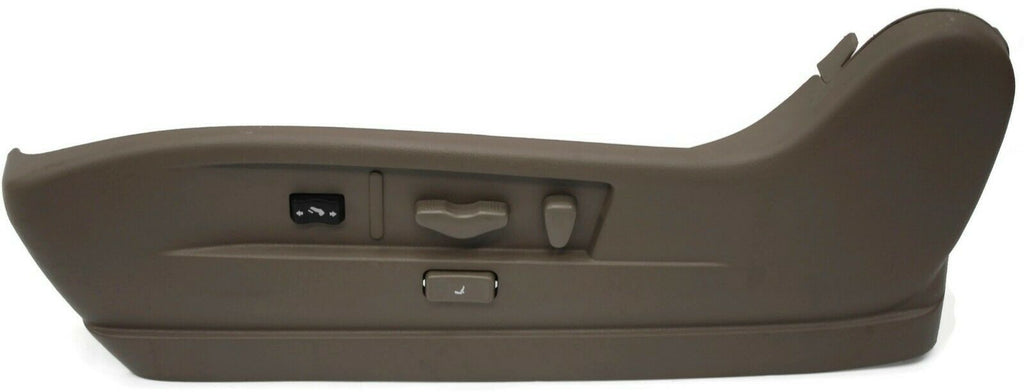
Replacing a car seat might seem like a daunting task, relegated to the realm of professional mechanics. However, with a methodical approach and a solid understanding of the underlying systems, replacing the driver's seat in a 2007 Nissan Murano is a project a reasonably skilled DIY enthusiast can undertake. This guide provides a detailed walkthrough of the process, focusing on the technical aspects and safety considerations.
Preparation and Safety Precautions
Before diving in, proper preparation is paramount. First and foremost, disconnect the negative battery terminal. This is a crucial step to prevent accidental activation of the airbags, which can cause serious injury. Allow at least 10 minutes after disconnection for any residual electrical charge to dissipate. Locate the battery in the engine compartment and use a wrench to loosen the nut securing the negative cable (typically black). Carefully remove the cable and secure it away from the battery terminal to prevent accidental reconnection.
Next, gather the necessary tools. You'll likely need:
- Socket set with extensions (metric)
- Torx bit set
- Screwdrivers (Phillips and flathead)
- Pliers
- Multimeter (optional, but recommended)
- Work gloves
- Safety glasses
- Pen and paper (for labeling connectors)
Safety glasses are essential to protect your eyes from debris. Work gloves will protect your hands and improve grip. Clear the workspace around the vehicle, ensuring adequate lighting and a stable, level surface. Having a magnetic parts tray can also be helpful for keeping track of fasteners.
Finally, thoroughly inspect the replacement seat. Confirm that it is compatible with the 2007 Nissan Murano, paying attention to the presence and functionality of airbags, seatbelt pretensioners, and any electrical connectors. If purchasing a used seat, carefully examine it for any signs of damage or wear. A malfunctioning seat can compromise safety and comfort.
Removing the Original Seat
Step 1: Accessing the Seat Fasteners
The 2007 Murano's driver's seat is typically secured by four bolts, one at each corner of the seat frame. These bolts often have plastic covers. Use a flathead screwdriver to carefully pry off these covers, revealing the bolts underneath. These bolts are usually metric (often 10mm, 12mm, or 14mm) and may require a socket extension to reach effectively, especially the rear bolts. Use the appropriate socket size and ratchet to loosen and remove each bolt. Be sure to apply even pressure to avoid stripping the bolt heads.
Step 2: Disconnecting Electrical Connectors
Once the seat is unbolted, you can tilt it back to access the electrical connectors underneath. These connectors are responsible for powering the seat's various functions, such as power adjustments, seat heaters, and, most critically, the side airbag and seatbelt pretensioner. Disconnecting these connectors with the battery still connected can trigger the airbag or pretensioner, resulting in injury.
Each connector will likely have a locking mechanism. Carefully examine each connector to identify the release tab or clip. Use a small screwdriver or your fingers to depress the tab and gently pull the connector apart. Do not force the connectors apart, as this can damage the terminals or wires.
Before disconnecting any connectors, take clear pictures or create detailed notes of their locations and colors. This will be invaluable when reconnecting them to the replacement seat. Labeling each connector with masking tape and a pen is also highly recommended.
The side airbag connector is often bright yellow and may have a secondary locking mechanism. This is a safety feature to prevent accidental disconnection. Consult the vehicle's repair manual or online resources for specific instructions on safely disconnecting the airbag connector.
Step 3: Removing the Seat from the Vehicle
With all the fasteners and electrical connectors disconnected, you can carefully remove the seat from the vehicle. Maneuver the seat to avoid scratching the interior trim or damaging the center console. Having a helper is highly recommended for this step, as the seat can be bulky and awkward to handle. Lift the seat out of the vehicle and set it aside in a safe location.
Installing the Replacement Seat
Step 1: Preparing the Replacement Seat
Before installing the replacement seat, inspect the area where the original seat was located. Clean up any debris or dirt. Check the condition of the seat mounting points and ensure they are not damaged or corroded. If necessary, apply a small amount of anti-seize compound to the bolt threads to prevent future corrosion.
Carefully examine the electrical connectors on the replacement seat. Ensure that they are clean and free of damage. If any connectors are damaged, they will need to be repaired or replaced before installation.
Step 2: Connecting Electrical Connectors
Using your notes, pictures, or labels, reconnect the electrical connectors to the replacement seat. Ensure that each connector is fully seated and the locking mechanism is engaged. Double-check the connections to the side airbag and seatbelt pretensioner to ensure they are secure and properly connected. An improperly connected airbag can fail to deploy in an accident.
Using a multimeter (optional), you can check the continuity of the airbag circuit to verify that the connection is good. Consult the vehicle's repair manual for the correct resistance values.
Step 3: Securing the Seat to the Vehicle
Carefully maneuver the replacement seat into position, aligning the mounting holes with the corresponding holes in the vehicle floor. Install the seat bolts, tightening them to the manufacturer's specified torque. Consult the vehicle's repair manual or online resources for the correct torque specifications. Over-tightening the bolts can damage the threads or distort the seat frame.
Step 4: Final Checks and Testing
After securing the seat, double-check all connections and fasteners. Ensure that the seat moves smoothly through its full range of adjustments. Test the seat heaters and other electrical functions to verify that they are working properly. Finally, reconnect the negative battery terminal.
Once the battery is reconnected, the airbag system will perform a self-test. If there is a problem with the airbag system, the airbag warning light will illuminate on the dashboard. If the airbag warning light is on, you will need to diagnose and repair the problem before driving the vehicle. This may require specialized diagnostic equipment and expertise.
Drive the vehicle a short distance and check for any unusual noises or vibrations. Ensure that the seatbelt is functioning properly.
Troubleshooting Common Issues
Airbag Warning Light: If the airbag warning light remains illuminated after replacing the seat, it indicates a problem with the airbag system. This could be due to a faulty connector, a damaged wire, or a malfunctioning airbag sensor. A diagnostic scan tool can be used to read the diagnostic trouble codes (DTCs) stored in the airbag control module. These DTCs will provide valuable information about the nature and location of the problem.
Seat Not Moving: If the seat does not move after installation, check the electrical connections and fuses. Ensure that the seat motor is receiving power and ground. If the motor is receiving power and ground but the seat still does not move, the motor may be faulty.
Seatbelt Not Functioning: If the seatbelt is not functioning properly, check the seatbelt pretensioner and the seatbelt buckle. Ensure that the seatbelt is properly routed and that the buckle is securely latched. If the seatbelt is damaged or worn, it should be replaced.
Conclusion
Replacing the driver's seat in a 2007 Nissan Murano is a task that can be accomplished with careful planning, attention to detail, and a thorough understanding of the underlying systems. By following the steps outlined in this guide and taking the necessary safety precautions, you can successfully complete this project and save yourself the cost of professional labor. However, if you are not comfortable working with electrical systems or handling safety-critical components such as airbags, it is always best to consult a qualified mechanic.