
2007 Nissan Murano Engine Replacement Cost
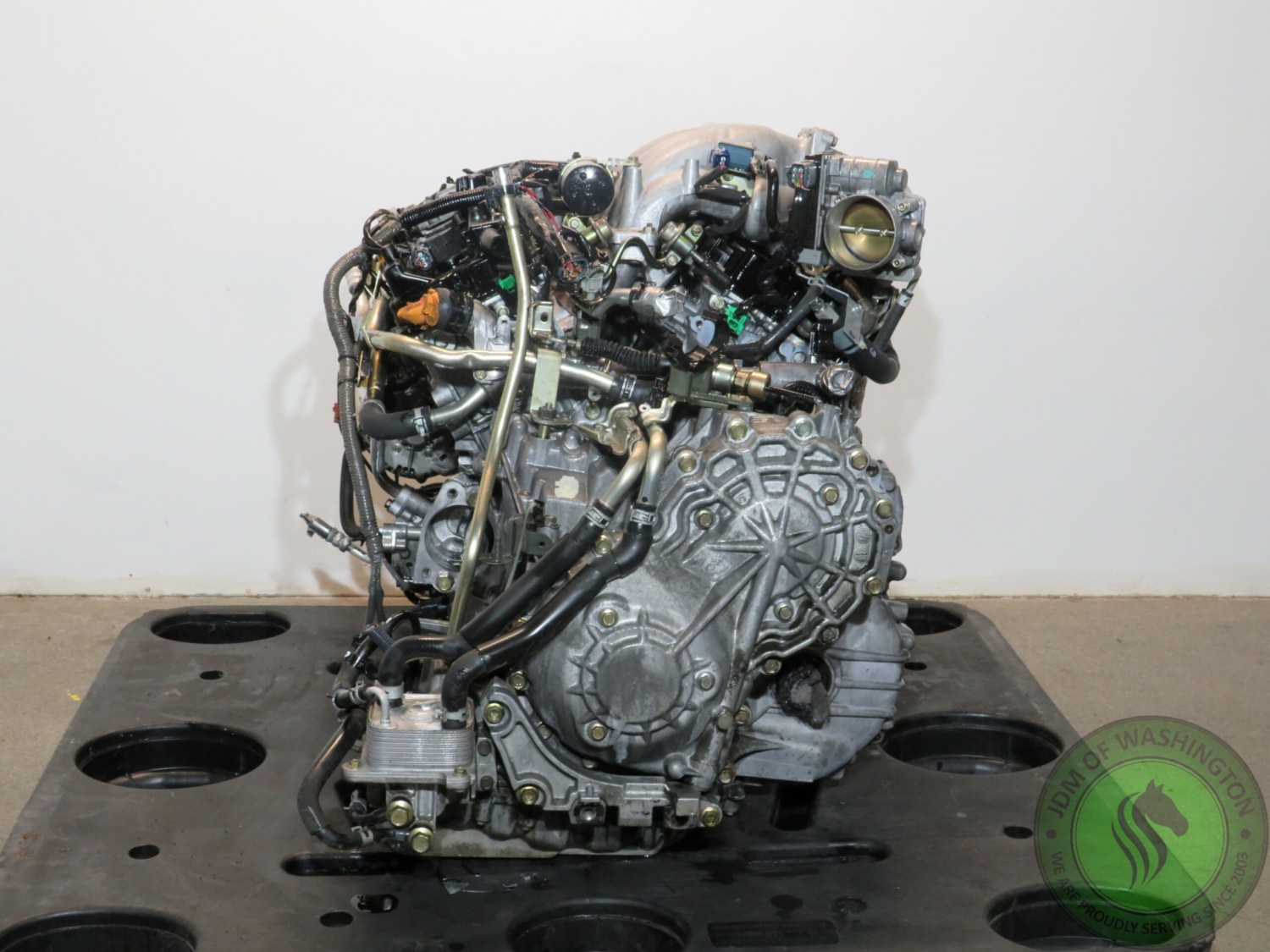
So, you're staring down the barrel of an engine replacement on your 2007 Nissan Murano? It's a significant undertaking, but with the right knowledge and approach, it's manageable. Let's break down the costs involved, the factors that influence them, and what you can expect during the process. We'll approach this from the perspective of a DIYer who's comfortable wrenching but wants a comprehensive understanding of the task.
Understanding the Replacement Options
Before diving into the costs, it's crucial to understand the different engine replacement options available. The choice you make significantly impacts the final bill.
New Engine
A brand-new engine, fresh from the factory, is the most expensive but also the most reliable option. You're essentially getting a zero-mile engine with a warranty. This removes any concerns about the engine's previous history. However, for a 2007 Murano, this might not be the most financially sensible choice.
Remanufactured Engine
A remanufactured engine is one that has been completely disassembled, cleaned, inspected, and rebuilt with new or reconditioned parts. These engines typically meet or exceed OEM (Original Equipment Manufacturer) specifications. This is often a good balance between cost and reliability. Remanufactured engines usually come with a warranty, offering peace of mind.
Used Engine
A used engine is exactly what it sounds like: an engine pulled from another vehicle, often a salvage car. This is the cheapest option upfront, but also the riskiest. You have no real knowledge of the engine's history, how well it was maintained, or how many miles it actually has. While it could save you a good amount of money initially, potential problems can quickly negate the savings. Thorough inspection is critical before buying a used engine. Look for signs of leaks, damage, or excessive wear.
Factors Influencing the Cost
The cost of a 2007 Nissan Murano engine replacement isn't a fixed number. Several factors play a significant role:
Engine Type and Source
The primary driver of cost is, of course, the engine itself. As we discussed earlier, a new engine will be the most expensive, followed by a remanufactured engine, and then a used engine. Furthermore, where you source the engine matters. Buying directly from a reputable engine supplier might be cheaper than going through a local mechanic who adds a markup.
Labor Costs (DIY vs. Professional)
If you're tackling the replacement yourself, you'll save a significant amount on labor costs. Professional engine replacement can easily add several hundred to several thousand dollars to the overall cost, depending on the shop's hourly rate and the complexity of the job. However, remember that doing it yourself requires the proper tools, equipment, and experience. If you're not comfortable with complex mechanical work, it's best to leave it to the professionals.
Ancillary Parts and Supplies
Don't forget about the supporting parts! When replacing an engine, it's wise to replace certain components while you're already in there. Consider replacing the following:
- Water pump: A failing water pump can quickly overheat a new engine.
- Thermostat: A stuck thermostat can also lead to overheating.
- Belts and hoses: Old belts and hoses are likely to fail soon anyway.
- Spark plugs: Fresh spark plugs ensure optimal engine performance.
- Engine mounts: Worn engine mounts can cause excessive vibration and noise.
- Fluids: You'll need new engine oil, coolant, and potentially transmission fluid.
- Filters: Oil filter, air filter.
These ancillary parts can add a few hundred dollars to the total cost, but they're well worth it in terms of preventing future problems and ensuring the longevity of your new engine.
Unexpected Issues
During the engine replacement process, you might encounter unexpected issues, such as corroded bolts, damaged wiring harnesses, or broken sensors. These issues can require additional parts and labor, increasing the overall cost. It's always wise to budget a bit extra for unforeseen circumstances.
Warranty
A warranty provides peace of mind, but it also comes at a cost. New and remanufactured engines typically come with warranties, while used engines often don't. Consider the cost of the warranty versus the potential cost of repairs if the engine fails. A longer warranty from a reputable supplier is often worth the investment.
Estimating the Costs: 2007 Nissan Murano
Okay, let's get down to brass tacks. Here's a rough estimate of the costs you can expect for a 2007 Nissan Murano engine replacement, keeping in mind that these are estimates and can vary based on your location and specific circumstances:
Engine Costs:
- Used Engine: $800 - $1500 (High risk, minimal warranty)
- Remanufactured Engine: $2500 - $4000 (Good balance of cost and reliability, decent warranty)
- New Engine: $4500 - $6000+ (Highest cost, best reliability, full warranty – often not economically viable for a 2007 vehicle)
Labor Costs (Professional Installation):
Labor costs can vary significantly depending on the shop's hourly rate and the complexity of the job. Engine replacement typically takes 10-15 hours of labor.
- Estimated Labor: $1000 - $2000+ (Assuming an hourly rate of $100-$150)
Ancillary Parts and Supplies:
- Estimated Parts: $300 - $600 (This covers the essential replacement items like water pump, thermostat, belts, hoses, fluids, etc.)
Total Estimated Cost:
Combining the engine cost, labor cost (if applicable), and ancillary parts, here's a breakdown of the total estimated cost for each option:
- Used Engine (Professional Installation): $2100 - $4100
- Remanufactured Engine (Professional Installation): $3800 - $6600
- New Engine (Professional Installation): $5800 - $8600+
DIY Engine Replacement Costs:
For the DIYer, the biggest saving comes from eliminating the labor cost. The biggest investment will come from the engine itself, followed by ancillary parts. You'll also want to consider specialty tools that might be needed, such as engine hoists, stands, and specific wrenches. Let's break it down.
- Used Engine (DIY Installation): $1100 - $2100 (Includes parts and supplies, assumes no major tool purchases needed)
- Remanufactured Engine (DIY Installation): $2800 - $4600 (Includes parts and supplies, assumes no major tool purchases needed)
- New Engine (DIY Installation): $4800 - $6600+ (Includes parts and supplies, assumes no major tool purchases needed)
DIY Considerations and Tools
If you're considering the DIY route, make sure you have the necessary tools and equipment. Engine replacement is not a simple task and requires specialized tools such as:
- Engine Hoist (Engine Crane): To lift the old engine out and the new engine in.
- Engine Stand: To securely hold the engine while you work on it.
- Socket Set: A comprehensive socket set, including deep sockets and impact sockets.
- Wrench Set: A variety of wrenches, including open-end, box-end, and torque wrenches.
- Torque Wrench: Essential for tightening bolts to the correct specifications.
- Pry Bar: For separating stuck components.
- Jack and Jack Stands: To safely lift and support the vehicle.
- Wheel Chocks: To prevent the vehicle from rolling.
- Penetrating Oil: To loosen corroded bolts.
- Service Manual: A detailed service manual for your 2007 Nissan Murano is invaluable.
- Diagnostic Tools: An OBD-II scanner can help diagnose any issues that arise.
- Safety Glasses and Gloves: To protect yourself from injury.
Beyond tools, be realistic about your skill level. Do you have experience removing and installing engines? Have you worked on complex mechanical systems before? Improper installation can lead to serious engine damage and safety hazards. If you're unsure, consult with a professional mechanic or consider taking an automotive repair course.
Making the Right Decision
Deciding whether to replace the engine on your 2007 Nissan Murano is a significant decision that depends on various factors, including the vehicle's overall condition, your budget, and your mechanical skills. Before making a decision, consider the following:
- Vehicle's Overall Condition: Is the rest of the vehicle in good shape? If the transmission, suspension, or body are also in need of major repairs, it might not be worth investing in a new engine.
- Cost-Benefit Analysis: Compare the cost of engine replacement to the value of the vehicle. Is it economically feasible to invest that much money in a 16-year-old car?
- Alternative Options: Consider other options, such as selling the vehicle as-is or trading it in for a newer model.
Getting multiple quotes from different mechanics is always a good idea. Ask for a detailed breakdown of the costs, including the price of the engine, labor, and ancillary parts. Don't be afraid to ask questions and negotiate the price.
Ultimately, the decision is yours. Weigh the pros and cons carefully, consider your budget and skills, and make the choice that's right for you and your 2007 Nissan Murano. Good luck!