
2007 Nissan Murano Head Gasket Replacement
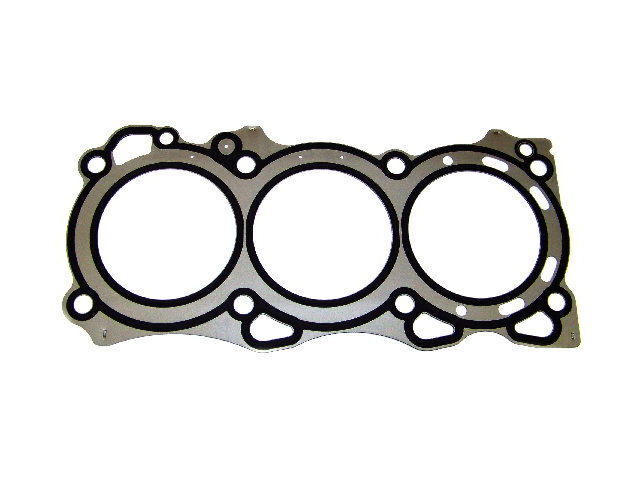
Alright, let's tackle a head gasket replacement on your 2007 Nissan Murano. This is an involved job, but if you're comfortable with general mechanical work and have a good set of tools, it's definitely achievable. This guide assumes you're familiar with basic automotive procedures like draining fluids, removing hoses, and disconnecting electrical components. If not, I highly recommend tackling some easier repairs first before diving into this.
Diagnosis and Preparation
First things first, confirming that the head gasket is indeed the culprit. Common symptoms include:
- Overheating: The engine may overheat frequently, even with sufficient coolant.
- Coolant Loss: You might notice coolant disappearing without any visible leaks. It could be leaking internally into the cylinders or the oil.
- White Smoke: Persistent white smoke from the exhaust, especially noticeable when the engine is warm. This indicates coolant burning in the combustion chamber.
- Milky Oil: Oil that appears milky or frothy is a tell-tale sign of coolant mixing with the oil. This is a *serious* problem and can cause significant engine damage.
- Bubbles in Coolant: Bubbles in the coolant reservoir or radiator when the engine is running. This is combustion gas leaking into the cooling system. You can test for this with a block tester, which uses a special fluid that changes color in the presence of exhaust gases.
Once you've confirmed the head gasket failure, gather your tools and parts. You'll need:
- A comprehensive socket set (metric)
- Wrenches (metric)
- Torque wrench (in-lb and ft-lb)
- Pliers (various types)
- Screwdrivers (Phillips and flathead)
- Timing chain locking tools (essential for this engine)
- Crankshaft pulley holding tool
- Head bolt socket (usually a special spline or Torx-type)
- Scrapers and cleaning supplies
- New head gasket(s) – I recommend OEM or a reputable aftermarket brand.
- New head bolts – Always replace head bolts when doing a head gasket job, especially if they are torque-to-yield (TTY).
- New valve cover gaskets
- New intake and exhaust manifold gaskets
- Coolant, oil, and oil filter
- Thread sealant
- Penetrating oil
- Shop towels
- Safety glasses and gloves
Important: Before you start, disconnect the negative battery terminal. Also, take plenty of pictures as you disassemble everything. It's incredibly helpful to have visual references when reassembling. Organize your parts and label them clearly. Ziploc bags and a permanent marker are your friends here.
Disassembly
This is where the real work begins. Follow these steps carefully:
- Drain Fluids: Drain the coolant and engine oil. Dispose of them properly.
- Remove Air Intake: Disconnect and remove the air intake system, including the MAF (Mass Airflow Sensor).
- Disconnect Wiring Harness: Carefully disconnect all wiring harnesses connected to the engine. Pay close attention to connectors and label them if needed. Unplug the fuel injectors.
- Remove Fuel Lines: Disconnect the fuel lines from the fuel rail. Be extremely careful as fuel will be under pressure. Have a rag ready to catch any spills.
- Remove Accessories: Remove the serpentine belt, alternator, power steering pump, and A/C compressor. You don't necessarily need to disconnect the A/C lines; you can carefully move the compressor aside.
- Remove Intake Manifold: Disconnect any remaining hoses and wiring from the intake manifold and then unbolt and remove it.
- Remove Exhaust Manifold(s): This can be tricky, as the bolts are often corroded. Apply penetrating oil liberally and let it soak for a while. Carefully unbolt and remove the exhaust manifold(s).
- Remove Valve Cover(s): Unbolt and remove the valve cover(s). Inspect the valve train for any signs of damage.
- Timing Chain Preparation: This is critical. You need to lock the camshafts in place using the special timing chain locking tools. These tools prevent the camshafts from rotating when you remove the timing chain tensioner, which could lead to serious engine damage. Also, locate the timing marks on the crankshaft pulley and timing chain. Make sure the engine is at Top Dead Center (TDC) on cylinder #1 before proceeding.
- Remove Timing Chain Tensioner: Carefully remove the timing chain tensioner. You may need to compress it before removal.
- Remove Camshafts: Loosen and remove the camshaft bearing caps, noting their order and orientation. Carefully remove the camshafts.
- Remove Cylinder Head Bolts: This is where you need the head bolt socket. Loosen the bolts in the reverse order of the tightening sequence (usually starting from the outside and working inward). Loosen each bolt in stages to avoid warping the head. Remove the bolts completely.
- Remove Cylinder Head: Carefully lift the cylinder head off the engine block. It may be stuck due to the old gasket. Use a rubber mallet to gently tap it if necessary. Do not force it.
Cleaning and Inspection
With the head removed, take the opportunity to thoroughly clean and inspect everything:
- Clean the Cylinder Head: Remove all traces of the old head gasket from the cylinder head and engine block surfaces. Use a plastic scraper or a gasket scraper, being careful not to damage the surfaces. Use a solvent to remove any remaining residue.
- Clean the Engine Block: Similarly, clean the engine block surface. Be especially careful to prevent debris from falling into the cylinders.
- Inspect the Cylinder Head: Have the cylinder head checked by a machine shop. They can check for cracks, warpage, and valve seal leaks. They can also resurface the head if necessary. A warped head will not seal properly, even with a new gasket.
- Inspect the Cylinders: Inspect the cylinder walls for any signs of damage, such as scoring or excessive wear.
- Inspect the Pistons: Inspect the pistons for any signs of damage or excessive carbon buildup.
- Clean Piston Tops: Clean any carbon buildup from the top of the pistons using a plastic scraper and solvent. Be careful not to scratch the piston surfaces.
- Inspect Valve Train Components: Inspect the valves, valve springs, and valve seals for any signs of wear or damage.
Reassembly
Now, for the reassembly. This is where attention to detail is crucial.
- Install New Head Gasket: Carefully position the new head gasket onto the engine block. Make sure it's properly aligned with the dowel pins or alignment marks. Do not use any sealant on the head gasket unless specifically instructed by the manufacturer.
- Install Cylinder Head: Carefully lower the cylinder head onto the engine block, aligning it with the head gasket and dowel pins.
- Install Head Bolts: Install the new head bolts. Torque them to the manufacturer's specifications. This is extremely important. The torque sequence and torque values are critical for proper sealing. The procedure is usually a multi-step process involving initial torque values followed by angle tightening (torque-to-yield). Refer to your service manual for the correct procedure.
- Install Camshafts: Lubricate the camshaft journals with assembly lube and carefully install the camshafts, ensuring the camshaft lobes are in the correct position. Install the camshaft bearing caps, tightening them to the specified torque.
- Install Timing Chain Tensioner: Install the timing chain tensioner. Ensure it's properly engaged and tensioning the timing chain. Double-check the timing marks to ensure the engine is still at TDC and that the camshafts are correctly aligned.
- Install Valve Cover(s): Install new valve cover gaskets and reinstall the valve cover(s).
- Install Exhaust Manifold(s): Install new exhaust manifold gaskets and reinstall the exhaust manifold(s). Torque the bolts to the specified value.
- Install Intake Manifold: Install new intake manifold gaskets and reinstall the intake manifold. Torque the bolts to the specified value.
- Reinstall Accessories: Reinstall the alternator, power steering pump, A/C compressor, and serpentine belt.
- Reconnect Wiring Harness: Reconnect all wiring harnesses and fuel lines. Ensure all connectors are securely fastened.
- Install Air Intake: Reinstall the air intake system.
- Refill Fluids: Refill the engine oil and coolant.
- Reconnect Battery: Reconnect the negative battery terminal.
Final Steps
After reassembly, double-check all connections and fluid levels.
- Start the Engine: Start the engine and let it idle for a while. Monitor the temperature gauge closely.
- Check for Leaks: Check for any leaks (coolant, oil, fuel).
- Bleed the Cooling System: Bleed the cooling system to remove any air pockets.
- Test Drive: Take the car for a short test drive, monitoring the temperature gauge and listening for any unusual noises.
- Re-Torque Head Bolts (If Required): Some head bolts may require re-torquing after a certain period of operation. Refer to your service manual for instructions.
Replacing a head gasket is a challenging but rewarding task. Take your time, be meticulous, and don't be afraid to consult a professional if you get stuck. Good luck!