
2007 Nissan Murano Rear Lower Control Arm
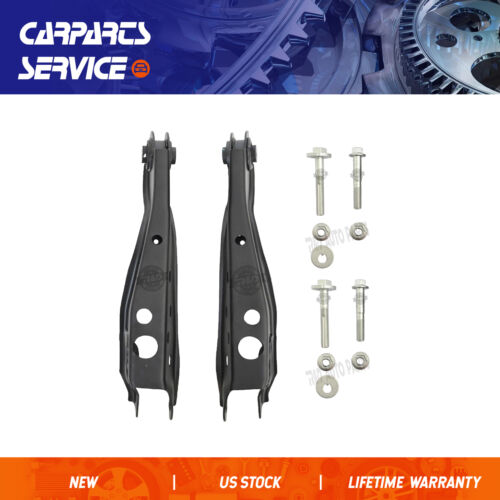
The 2007 Nissan Murano, a popular crossover SUV, incorporates a sophisticated independent rear suspension system designed for a smooth ride and confident handling. A critical component of this system is the rear lower control arm, often referred to simply as the lower arm. Understanding the function, design, and potential failure points of this component can be valuable for both automotive enthusiasts and those seeking to perform maintenance or repairs.
Function and Role in the Suspension System
The rear lower control arm's primary function is to connect the wheel hub assembly to the vehicle's chassis. It acts as a crucial link, controlling wheel movement and maintaining proper alignment. It's more than just a static connector; it's a dynamic element responsible for several key aspects of vehicle performance:
- Wheel Positioning: The lower control arm dictates the fore-aft position of the wheel hub, influencing wheelbase and stability. Its design and mounting points ensure the wheel travels in a controlled arc as the suspension moves up and down.
- Suspension Movement: As the vehicle encounters bumps and dips, the suspension articulates. The lower control arm, pivoting on its bushings, allows the wheel to move vertically, absorbing impacts and maintaining tire contact with the road.
- Lateral Stability: Working in conjunction with other suspension components (such as the upper control arm or links, and the sway bar), the lower control arm contributes to lateral stability by resisting side-to-side movement during cornering. This reduces body roll and improves handling predictability.
- Load Bearing: The lower control arm bears a significant portion of the vehicle's weight and transmits forces from the road to the chassis. It must be robust enough to withstand constant stress and impacts.
Design and Construction of the 2007 Murano's Rear Lower Control Arm
The 2007 Nissan Murano's rear lower control arm is typically constructed from stamped steel or cast aluminum. Each material offers distinct advantages and disadvantages:
- Stamped Steel: Stamped steel control arms are generally more cost-effective to manufacture. They are produced by pressing sheet metal into the desired shape. While offering good strength, they can be more susceptible to corrosion and are typically heavier than aluminum alternatives.
- Cast Aluminum: Aluminum control arms offer a significant weight reduction, improving fuel efficiency and potentially enhancing suspension responsiveness. Aluminum is also corrosion-resistant. However, aluminum control arms are generally more expensive to manufacture and may be more prone to damage from severe impacts.
Regardless of the material, the control arm features several key design elements:
- Arm Body: The main structural component, shaped to provide strength and rigidity. The shape often incorporates strategically placed ribs or reinforcements to resist bending and twisting forces.
- Mounting Bushings: The control arm is attached to the chassis and the wheel hub assembly via rubber or polyurethane bushings. These bushings act as insulators, absorbing vibrations and reducing noise transmission into the cabin. They also allow for controlled pivoting movement. Bushing durometer (hardness) significantly impacts ride quality and handling; softer bushings prioritize comfort, while firmer bushings enhance responsiveness.
- Ball Joint (or Similar Attachment): On some designs, the lower control arm may directly attach to the wheel hub assembly via a ball joint (although the Murano's rear suspension typically uses other links for lateral control). The ball joint allows for articulation in multiple directions, accommodating both vertical suspension movement and steering input. If there is no ball joint, the connection is usually through another bushing and a mounting point on the hub carrier.
- Coil Spring Seat (if applicable): In some suspension designs, the coil spring is directly mounted on the lower control arm. In the Murano, the spring is separate, but if present, the coil spring seat is a reinforced area designed to support the weight of the vehicle and compress the spring.
Failure Modes and Symptoms
The rear lower control arm is subjected to constant stress and impacts from road conditions, making it susceptible to wear and damage over time. Common failure modes include:
- Bushing Degradation: The rubber or polyurethane bushings can deteriorate due to age, exposure to road salts, and repeated flexing. Cracking, tearing, and excessive play in the bushings are common symptoms. Degraded bushings can lead to:
- Clunking or Rattling Noises: Especially noticeable when driving over bumps.
- Vague Steering: Reduced steering precision and a feeling of looseness in the front end.
- Uneven Tire Wear: Improper alignment due to bushing play can cause tires to wear unevenly.
- Reduced Ride Comfort: Increased vibration and harshness transmitted into the cabin.
- Control Arm Bending or Cracking: Severe impacts, such as hitting potholes or curbs, can bend or crack the control arm itself. This is more likely to occur with stamped steel control arms than with cast aluminum, although either can be damaged under extreme stress. Symptoms of a bent or cracked control arm include:
- Visible Damage: Obvious bending, cracking, or deformation of the control arm.
- Misalignment: The vehicle may pull to one side or exhibit unusual tire wear patterns.
- Instability: Erratic handling and a feeling of instability, particularly at higher speeds.
- Ball Joint Failure (if applicable): While the Murano doesn't directly use a ball joint on the lower control arm, similar connecting joints on other rear suspension links can fail. Failure of such a joint results in:
- Excessive Play: Noticeable looseness in the joint, detectable when inspecting the suspension.
- Popping or Squeaking Noises: Noises emanating from the suspension area during movement.
- Potential for Separation: In extreme cases, the joint can separate completely, leading to a loss of control.
Inspection and Maintenance
Regular inspection of the rear lower control arms is crucial for maintaining vehicle safety and performance. Here's what to look for:
- Visual Inspection: Examine the control arms for any signs of bending, cracking, rust, or other damage. Pay close attention to the areas around the mounting points and any welds.
- Bushing Inspection: Check the bushings for cracks, tears, and excessive play. You can use a pry bar to gently apply leverage to the control arm and observe the bushing movement. Excessive movement indicates wear.
- Joint Play Inspection (if applicable to other links): If the suspension design incorporates ball joints or similar joints on related links, check for play by attempting to move the joint in various directions. Any noticeable looseness is a cause for concern.
There is no routine maintenance specifically for the lower control arm itself, beyond periodic inspection. However, maintaining proper wheel alignment is essential to prevent premature wear on the bushings and other suspension components. Promptly addressing any suspension noises or handling abnormalities can also help prevent more serious damage.
Replacement Considerations
Replacing a damaged or worn lower control arm typically involves removing the wheel, disconnecting the brake lines and sensors (if necessary), and detaching the control arm from the chassis and the wheel hub assembly. The specific procedure varies depending on the vehicle model, but generally involves:
- Loosening and Removing Fasteners: Loosening the bolts or nuts that secure the control arm to the chassis and hub assembly.
- Separating the Ball Joint (if applicable): Using a ball joint separator tool to disconnect the ball joint from the steering knuckle or hub carrier.
- Removing the Old Control Arm: Carefully removing the old control arm, taking note of the orientation of the bushings.
- Installing the New Control Arm: Installing the new control arm in the reverse order of removal. Be sure to torque all fasteners to the manufacturer's specifications.
- Wheel Alignment: Crucially, a wheel alignment is required after replacing a lower control arm to ensure proper vehicle handling and tire wear.
When replacing a lower control arm, it's generally recommended to replace the bushings as well. You can either purchase a complete control arm assembly with new bushings pre-installed or press new bushings into the existing control arm (if the arm itself is in good condition). Using high-quality replacement parts is essential to ensure long-lasting performance and reliability. Consider also replacing control arms in pairs to maintain balanced suspension characteristics.
In conclusion, the rear lower control arm is a vital component of the 2007 Nissan Murano's rear suspension system. Its design, construction, and function directly influence the vehicle's ride quality, handling, and stability. Regular inspection and timely replacement of worn or damaged components are essential for maintaining a safe and enjoyable driving experience. Understanding the principles behind this simple, yet effective part allows for better preventative maintenance and diagnostic abilities.