
2007 Nissan Pathfinder Catalytic Converter
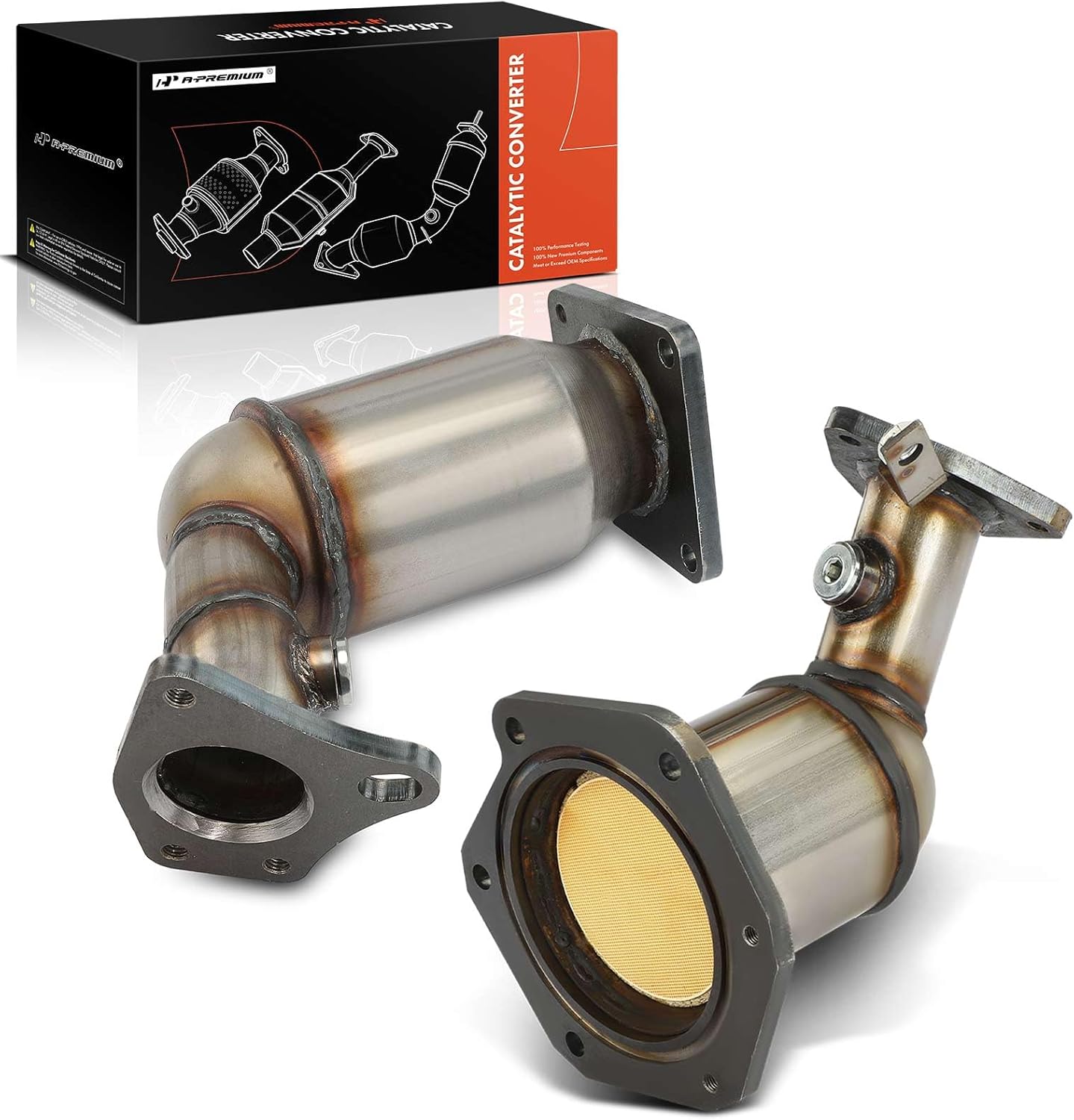
So, you're searching for information about a catalytic converter issue on your 2007 Nissan Pathfinder? You've come to the right place. It's a fairly common problem, especially on vehicles of this age, and I'm here to help you understand what's likely happening and how to address it.
Understanding the Catalytic Converter's Role
First, let's quickly review what a catalytic converter does. Think of it as the unsung hero of your exhaust system. Its job is to reduce harmful emissions – things like carbon monoxide, hydrocarbons, and nitrogen oxides – into less harmful substances before they're released into the atmosphere. Inside, it uses precious metals like platinum, palladium, and rhodium as catalysts (hence the name) to facilitate these chemical reactions. In short, it's there to keep the air cleaner, and it's a vital part of passing emissions tests.
Common Symptoms of a Failing Catalytic Converter on a 2007 Pathfinder
How do you know if your Pathfinder's catalytic converter is giving you trouble? Here are the most common warning signs:
- Check Engine Light (CEL): This is the most frequent and obvious indicator. The light will often illuminate with codes such as P0420 ("Catalyst System Efficiency Below Threshold Bank 1") or P0430 ("Catalyst System Efficiency Below Threshold Bank 2"). Bank 1 typically refers to the side of the engine containing cylinder #1, and Bank 2 is the other side on a V6.
- Reduced Engine Performance: A clogged or failing catalytic converter restricts exhaust flow, essentially choking the engine. You might notice sluggish acceleration, a lack of power, or difficulty maintaining speed, especially when going uphill.
- Poor Fuel Economy: When the converter isn't functioning correctly, the engine has to work harder, burning more fuel to achieve the same level of performance. Keep an eye on your MPG – a significant drop could point to a catalytic converter problem.
- Rattling Noises: Internally, the catalytic converter contains a ceramic honeycomb structure. Over time, this can break down. Loose pieces rattling around inside the converter housing often indicate internal damage.
- Burning Smell: A failing catalytic converter can overheat. You might notice a burning or sulfur-like smell coming from the exhaust system, especially after driving for a while.
- Failed Emissions Test: This is a definitive sign. If your Pathfinder fails an emissions test, a faulty catalytic converter is a likely culprit.
Possible Causes of Catalytic Converter Failure
Okay, you're experiencing some of these symptoms. What could be causing the catalytic converter to fail? While the converter itself can simply wear out over time, other issues can contribute to its demise. Here are the usual suspects:
- Age and Mileage: Catalytic converters have a lifespan, typically around 100,000 miles or more. However, over time, the catalyst material degrades and becomes less effective.
- Engine Problems: This is a BIG one. Issues like excessive oil consumption, coolant leaks, or misfires can wreak havoc on the catalytic converter. These problems introduce contaminants into the exhaust stream, which can coat and poison the catalyst material. For example, a leaking valve cover gasket can cause oil to drip into the cylinders, leading to increased oil consumption and converter damage. Addressing these engine issues is crucial before replacing the catalytic converter.
- Fuel System Problems: A faulty fuel injector that's dumping too much fuel into the cylinder can also damage the catalytic converter. The excess fuel can overheat the converter and cause it to melt down.
- Physical Damage: Hitting a large object on the road can physically damage the catalytic converter housing or the internal honeycomb structure.
- Corrosion: Especially in areas with road salt, the catalytic converter housing can corrode over time, leading to leaks and reduced efficiency.
Diagnosing the Problem: Beyond the Check Engine Light
So, the check engine light is on, and you suspect the catalytic converter. Here's how to proceed with diagnosis:
- Read the Diagnostic Trouble Codes (DTCs): Use an OBD-II scanner to retrieve the codes stored in your Pathfinder's computer. Codes like P0420 and P0430 are strong indicators, but don't stop there. Look for other codes related to engine misfires, fuel system issues, or oxygen sensor problems. These underlying issues need to be addressed first.
- Inspect the Catalytic Converter: Visually inspect the converter for any signs of physical damage, corrosion, or leaks. If you hear rattling when you tap on it, the internal honeycomb is likely broken.
- Check the Oxygen Sensors: The oxygen sensors (O2 sensors) play a vital role in monitoring the performance of the catalytic converter. There's usually an O2 sensor before (upstream) and after (downstream) the converter. By comparing the signals from these sensors, the engine control unit (ECU) can determine the converter's efficiency. Faulty O2 sensors can trigger false P0420/P0430 codes, or they can be damaged by a failing catalytic converter.
- Perform an Exhaust Backpressure Test: This test measures the pressure in the exhaust system. Excessive backpressure can indicate a clogged catalytic converter. A specialized gauge is needed for this test.
Replacing the Catalytic Converter: A Step-by-Step Guide (Simplified)
If your diagnosis confirms that the catalytic converter needs replacing, you have a few options. You can take it to a professional mechanic, which is often recommended, or you can attempt the repair yourself if you have the necessary tools and experience. Safety is paramount; always wear safety glasses and gloves when working on your vehicle.
Disclaimer: This is a simplified overview. Always consult your Pathfinder's service manual for specific instructions and torque specifications.
- Gather Your Tools: You'll need a socket set, wrenches (including oxygen sensor sockets), a ratchet, penetrating oil, a jack, jack stands, and potentially an exhaust pipe cutter or saw.
- Prepare the Vehicle: Safely lift the Pathfinder with a jack and secure it on jack stands. Allow the exhaust system to cool completely before starting.
- Apply Penetrating Oil: Generously spray penetrating oil on the bolts connecting the catalytic converter to the exhaust manifold and the exhaust pipe. Let it soak for at least 30 minutes.
- Disconnect the Oxygen Sensors: Carefully disconnect the electrical connectors for the oxygen sensors. Use an oxygen sensor socket to remove the sensors from the converter.
- Remove the Old Catalytic Converter: Loosen and remove the bolts connecting the catalytic converter to the exhaust manifold and the exhaust pipe. You might need to use an exhaust pipe cutter or saw if the bolts are seized or the pipes are rusted together.
- Install the New Catalytic Converter: Position the new catalytic converter in place and tighten the bolts to the specified torque specifications. Use new gaskets or seals as needed.
- Install the Oxygen Sensors: Reinstall the oxygen sensors, ensuring they are properly tightened.
- Reconnect the Electrical Connectors: Reconnect the electrical connectors for the oxygen sensors.
- Lower the Vehicle: Carefully lower the Pathfinder from the jack stands.
- Clear the DTCs: Use an OBD-II scanner to clear the diagnostic trouble codes from the vehicle's computer.
- Test Drive: Take the Pathfinder for a test drive to ensure everything is working correctly. Monitor for any warning lights or unusual noises.
Important Considerations Before Replacement:
- Is it Legal?: Check your local and state emissions regulations. In some areas, you may only be able to use an OEM (Original Equipment Manufacturer) catalytic converter or a CARB (California Air Resources Board) compliant aftermarket converter. Using a non-compliant converter can result in fines and/or failing an emissions test.
- Check for Related Issues: As mentioned earlier, address any underlying engine problems (misfires, oil leaks, etc.) before replacing the catalytic converter. Otherwise, the new converter will likely fail prematurely.
- Quality Matters: When buying a replacement catalytic converter, choose a reputable brand. Cheap aftermarket converters may not last as long or perform as well as OEM or high-quality aftermarket options.
Cost Considerations
The cost of replacing a catalytic converter on a 2007 Nissan Pathfinder can vary depending on several factors, including the type of converter (OEM vs. aftermarket), the brand, and the labor costs in your area. Here's a general breakdown:
- Aftermarket Catalytic Converter: $200 - $500 (for the part itself)
- OEM Catalytic Converter: $500 - $1200 (for the part itself)
- Labor Costs: $150 - $400 (depending on the shop rate and the complexity of the job)
Therefore, you can expect to pay anywhere from $350 to $1600 or more for a catalytic converter replacement, including parts and labor. Getting quotes from multiple shops is always a good idea.
Preventative Measures
While catalytic converters eventually wear out, you can take steps to extend their lifespan:
- Regular Maintenance: Follow your Pathfinder's recommended maintenance schedule, including oil changes, tune-ups, and spark plug replacements.
- Address Engine Problems Promptly: Don't ignore engine misfires, oil leaks, or other engine problems. Get them fixed as soon as possible to prevent damage to the catalytic converter.
- Use High-Quality Fuel: Avoid using low-quality fuel that can contain contaminants that can damage the converter.
- Avoid Short Trips: Short trips don't allow the catalytic converter to reach its operating temperature, which can lead to a buildup of deposits.
In Conclusion
Dealing with a catalytic converter issue on your 2007 Nissan Pathfinder can be frustrating, but understanding the symptoms, causes, and diagnostic steps can help you get the problem resolved quickly and efficiently. Remember to address any underlying engine problems, choose a quality replacement converter, and follow proper installation procedures. If you're not comfortable performing the repair yourself, don't hesitate to seek the help of a qualified mechanic. By taking these steps, you can keep your Pathfinder running smoothly and cleanly for years to come.