
2008 Nissan Pathfinder Catalytic Converter
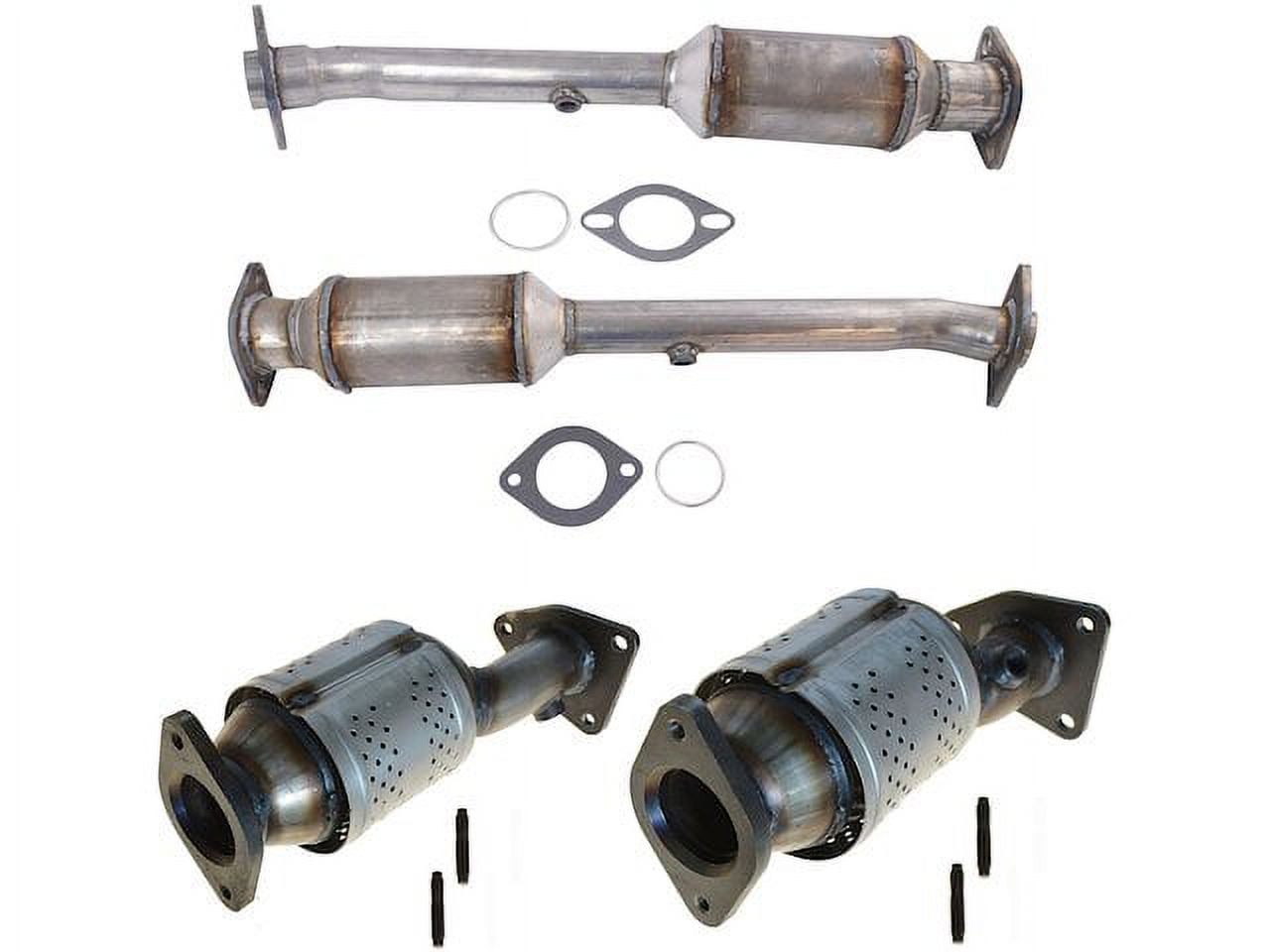
The 2008 Nissan Pathfinder, a popular SUV known for its ruggedness and versatility, relies on a crucial component to meet stringent emissions standards: the catalytic converter. Often overlooked until a problem arises, the catalytic converter is a sophisticated piece of engineering. This guide will delve into the inner workings of the 2008 Nissan Pathfinder's catalytic converter, examining its design, function, common failure points, and diagnostic procedures.
What is a Catalytic Converter and Why is it Needed?
At its core, the catalytic converter is an exhaust emission control device that reduces toxic gases and pollutants in exhaust gas from an internal combustion engine into less toxic pollutants by catalyzing a redox reaction. In simpler terms, it helps clean up the harmful stuff coming out of your engine before it exits the tailpipe. The need for these devices stems from growing awareness of the environmental impact of vehicle emissions, leading to increasingly strict regulations imposed by governing bodies like the EPA in the United States.
Before the advent of catalytic converters, exhaust gases contained high concentrations of hydrocarbons (HC), carbon monoxide (CO), and oxides of nitrogen (NOx). These pollutants contribute to smog, acid rain, and respiratory problems. The catalytic converter's job is to convert these dangerous compounds into relatively harmless substances: carbon dioxide (CO2), water (H2O), and nitrogen (N2).
The 2008 Pathfinder's Catalytic Converter System: A Closer Look
The 2008 Nissan Pathfinder typically employs two or three catalytic converters depending on the specific engine configuration (V6 or V8) and emissions package. One or two primary converters are located close to the engine, often integrated into the exhaust manifold. These primary converters are crucial for quickly reaching operating temperature, as they benefit from the heat generated by the engine. A secondary converter, if present, is located further downstream, providing an additional layer of emissions control.
Core Components:
- Substrate (Core): The heart of the catalytic converter is the substrate, also known as the core. This is typically a ceramic honeycomb structure coated with a washcoat. The honeycomb design maximizes surface area, allowing for greater contact between the exhaust gases and the catalytic materials.
- Washcoat: The washcoat is a layer of highly porous material, usually alumina (aluminum oxide), applied to the substrate. This layer further increases the surface area and provides a medium for dispersing the catalytic metals.
- Catalytic Metals: These are the key players in the catalytic conversion process. Platinum (Pt), palladium (Pd), and rhodium (Rh) are the most commonly used catalytic metals. These metals are strategically chosen for their ability to catalyze specific reactions. Platinum and palladium are effective at oxidizing hydrocarbons (HC) and carbon monoxide (CO), while rhodium is effective at reducing oxides of nitrogen (NOx). The combination of these metals is often referred to as a "three-way" catalyst.
- Protective Shell: The catalytic converter is encased in a heat-resistant stainless steel shell to protect the delicate internal components from damage and the elements. This shell also helps to maintain the operating temperature of the converter.
The Three-Way Catalyst Process:
The "three-way" catalyst gets its name from its ability to simultaneously address three major pollutants:
- Oxidation of Hydrocarbons (HC): Platinum and palladium catalyze the oxidation of unburned hydrocarbons into carbon dioxide and water: 2HC + O2 → 2CO2 + H2O
- Oxidation of Carbon Monoxide (CO): Platinum and palladium also catalyze the oxidation of carbon monoxide into carbon dioxide: 2CO + O2 → 2CO2
- Reduction of Oxides of Nitrogen (NOx): Rhodium catalyzes the reduction of oxides of nitrogen into nitrogen gas: 2NOx → N2 + xO2
The efficiency of the three-way catalyst is heavily dependent on maintaining a precise air-fuel ratio (around 14.7:1, known as stoichiometric). The engine's oxygen sensors play a crucial role in monitoring the exhaust gas composition and providing feedback to the engine control unit (ECU), which then adjusts the fuel injection to maintain the optimal air-fuel ratio for efficient catalytic conversion. Any deviation from this optimal ratio can significantly reduce the converter's effectiveness.
Common Failure Points and Diagnostic Procedures
While catalytic converters are designed to be durable, they can fail over time due to various factors. Understanding these failure modes and how to diagnose them is crucial for maintaining optimal vehicle performance and minimizing emissions.
Causes of Catalytic Converter Failure:
- Contamination: The most common cause of catalytic converter failure is contamination. This can occur when excessive amounts of oil, coolant, or fuel enter the exhaust system. These substances can coat the catalytic metals, preventing them from effectively catalyzing the reactions. A leaking head gasket, worn piston rings, or excessive fuel enrichment can all contribute to contamination.
- Overheating: Excessive engine misfires can cause unburned fuel to enter the catalytic converter. This unburned fuel ignites within the converter, causing it to overheat and potentially melt down the substrate.
- Physical Damage: Impacts from road debris can damage the converter's shell or internal components, leading to reduced efficiency or complete failure.
- Age and Deterioration: Over time, the catalytic metals can become less effective due to thermal degradation and chemical poisoning.
Symptoms of a Failing Catalytic Converter:
- Check Engine Light: This is often the first indication of a problem. Common diagnostic trouble codes (DTCs) associated with catalytic converter failure include P0420 (Catalyst System Efficiency Below Threshold - Bank 1) and P0430 (Catalyst System Efficiency Below Threshold - Bank 2).
- Reduced Engine Performance: A clogged or damaged catalytic converter can restrict exhaust flow, leading to reduced engine power, acceleration, and fuel economy.
- Rattling Noise: A rattling noise from underneath the vehicle may indicate a broken or damaged substrate within the converter.
- Sulfur Smell (Rotten Eggs): A sulfur smell from the exhaust can indicate that the converter is not properly converting hydrogen sulfide (H2S) into sulfur dioxide (SO2). This often happens when the converter is overloaded or contaminated.
- Failed Emissions Test: If the catalytic converter is not functioning properly, the vehicle may fail an emissions test due to excessive levels of hydrocarbons, carbon monoxide, or oxides of nitrogen.
Diagnostic Procedures:
- Visual Inspection: Begin with a thorough visual inspection of the catalytic converter for any signs of physical damage, such as dents, cracks, or rust.
- Scan Tool Diagnosis: Use a scan tool to retrieve any DTCs stored in the ECU. Pay close attention to codes related to catalytic converter efficiency or oxygen sensor performance.
- Oxygen Sensor Testing: Oxygen sensors located upstream and downstream of the catalytic converter are used to monitor its efficiency. Comparing the signals from these sensors can provide valuable insights into the converter's performance. A healthy converter will typically result in a more stable signal from the downstream oxygen sensor compared to the fluctuating signal from the upstream sensor. Advanced scan tools can graph the oxygen sensor data for easier analysis.
- Exhaust Backpressure Test: An exhaust backpressure test can help determine if the catalytic converter is clogged. This test involves measuring the pressure in the exhaust system before the converter. Excessive backpressure indicates a blockage.
- Infrared Thermometer: Measuring the inlet and outlet temperatures of the converter with an infrared thermometer can provide information about its function. The outlet temperature should generally be higher than the inlet temperature if the converter is functioning properly.
- Emissions Testing: A professional emissions test can provide a precise measurement of the exhaust gas composition and confirm whether the catalytic converter is meeting emissions standards.
Replacement Considerations
If the catalytic converter is diagnosed as faulty, replacement is often necessary. When selecting a replacement converter, it is crucial to choose a high-quality unit that meets or exceeds the original equipment manufacturer (OEM) specifications. Cheaper aftermarket converters may not provide the same level of performance or durability and could potentially lead to future emissions issues.
Prior to replacing the catalytic converter, it is essential to address the root cause of the failure. For example, if the converter failed due to contamination, identify and repair the source of the contamination (e.g., leaking head gasket, worn piston rings) to prevent premature failure of the replacement converter.
Replacing a catalytic converter typically involves disconnecting the exhaust system, removing the old converter, and installing the new one. Ensure that all gaskets and hardware are in good condition and properly torqued to prevent exhaust leaks. After installation, clear any DTCs from the ECU and verify that the check engine light is off.
In conclusion, the catalytic converter is a vital component of the 2008 Nissan Pathfinder's emissions control system. Understanding its function, common failure modes, and diagnostic procedures is essential for maintaining optimal vehicle performance and minimizing environmental impact. Regular maintenance and prompt attention to any symptoms of catalytic converter failure can help extend its lifespan and ensure that your Pathfinder continues to meet emissions standards. Proper diagnostics are a must, a failing sensor or other component may cause similar symptoms to a failing catalytic converter.