
2008 Nissan Quest Sliding Door Won't Open
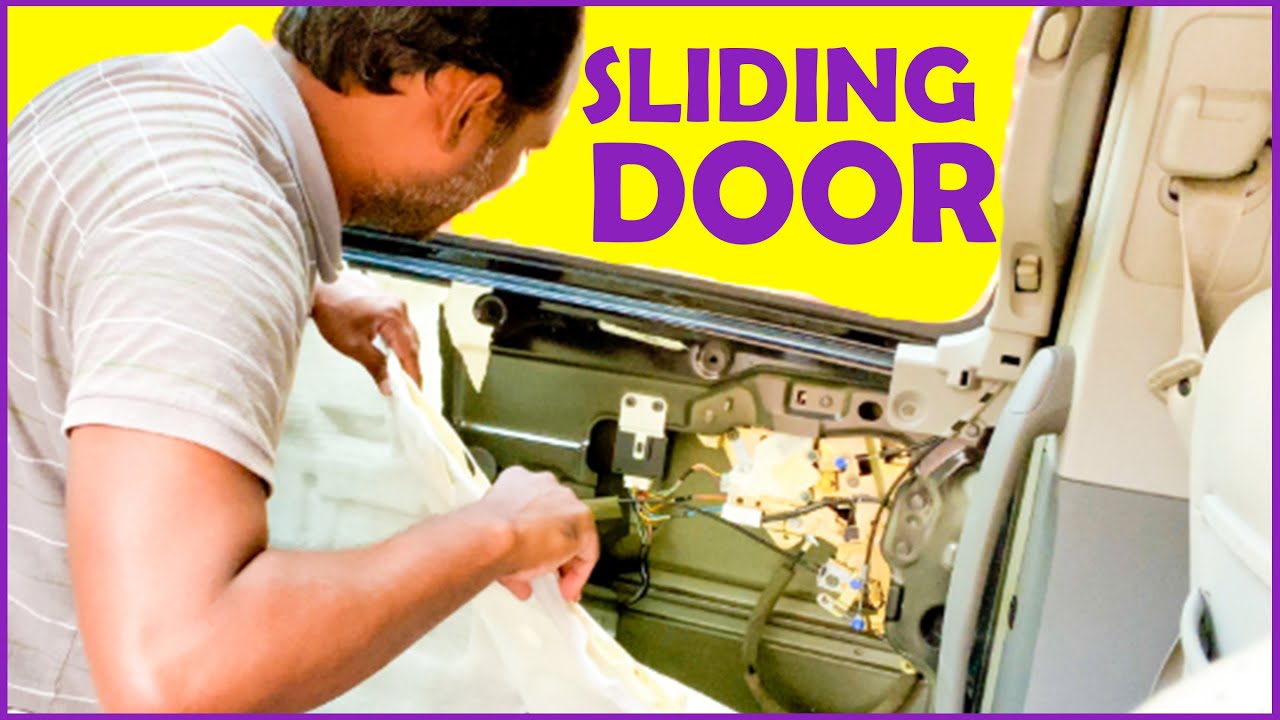
Alright, so your 2008 Nissan Quest sliding door is playing stubborn. It's a common issue with these vans, and while it can be frustrating, it's often something you can troubleshoot yourself. Before you throw in the towel and head to a shop, let's walk through some common causes and how to diagnose them. We'll assume you're familiar with basic automotive tools and safety procedures. Remember to disconnect the negative battery terminal before doing any electrical work!
Understanding the System
First, it's crucial to understand that the Quest's sliding doors are a complex system. They rely on a combination of mechanical, electrical, and electronic components working in harmony. The doors can be operated manually, via the key fob, from buttons on the dashboard, or even using sensors. This interconnectedness means that a fault in any one area can prevent the door from opening.
Here's a breakdown of the key components:
- Sliding Door Motor: This is the workhorse. It's an electric motor coupled with a gearbox that provides the force to move the door along the track.
- Sliding Door Control Module (SDCM): This is the "brain" of the system. It receives inputs from various sensors and switches, processes them, and then controls the motor and other actuators. You can think of it as a small computer dedicated to the sliding doors.
- Door Latch and Cables: These are responsible for securing the door closed and releasing it when you try to open it. Cables connect the latch to the interior and exterior door handles.
- Track and Rollers: The door slides along a track using rollers. The condition of the track and rollers is crucial for smooth operation.
- Door Position Sensors: These sensors tell the SDCM the door's current position (open, closed, or somewhere in between).
- Obstacle Detection System: This system uses sensors to detect obstructions in the path of the door while it's closing. If an obstruction is detected, the door will stop and reverse direction.
- Wiring Harness and Connectors: These carry electrical signals between the various components. Corrosion or damage to the wiring can cause all sorts of problems.
Troubleshooting Steps
Now, let's get down to business. Here's a systematic approach to troubleshooting your non-opening sliding door:
1. Preliminary Checks
Before diving into complex diagnostics, start with the basics:
- Check the Fuses: Locate the fuse box (typically under the dash or in the engine compartment) and check the fuses related to the sliding doors. Consult your owner's manual for the fuse locations and amperage ratings. A blown fuse is a common culprit and an easy fix. Use a multimeter to confirm continuity, don't just rely on visual inspection.
- Check the Door Lock Switch: Ensure that the door lock switch (often located on the driver's door) isn't engaged in the "lock" position for the sliding doors. Sometimes, it's a simple oversight.
- Manual Operation: Try opening the door manually. If you can open it manually, it indicates that the mechanical components (latch, cables, track) are likely functioning. This points toward an electrical or electronic issue. If it's difficult or impossible to open manually, suspect a mechanical problem.
2. Diagnosing Mechanical Issues
If the door is difficult to open manually, focus on these areas:
- Inspect the Track and Rollers: Examine the sliding door track for any obstructions, debris, or damage. Clean the track with a suitable cleaner and lubricate the rollers with a silicone-based lubricant. Make sure the rollers are moving freely. A stuck or damaged roller can put excessive strain on the motor.
- Check the Latch and Cables: Inspect the door latch mechanism for any signs of binding or corrosion. Make sure the cables connecting the latch to the door handles are properly adjusted and not frayed or broken. The cables should have a slight amount of slack but not be overly loose. If the cable is stretched, it may not fully release the latch. You might need to adjust the cable tension using the adjusters near the latch.
- Look for Obstructions: Carefully inspect the door's perimeter for any obstructions that might be preventing it from opening fully. Even a small object caught in the seal can interfere with the door's operation.
3. Diagnosing Electrical Issues
If the door opens manually but not electrically, or if there's no response whatsoever, suspect an electrical problem:
- Check the Wiring Harness: Carefully inspect the wiring harness that runs to the sliding door. Pay close attention to areas where the harness flexes or bends, such as near the door hinges. Look for any signs of damage, such as frayed wires, cracked insulation, or corroded connectors. A Digital Multimeter (DMM) is your best friend here. Use it to check for continuity and voltage at various points in the harness.
- Inspect the Door Jamb Switch: There's often a switch in the door jamb that signals to the SDCM when the door is open or closed. Make sure this switch is clean and functioning properly. You can test it with a DMM to see if it's making proper contact when the door is opened and closed.
- Sliding Door Motor Test: To check the motor, you'll need access to the motor connector. With the door in the closed position, use a DMM to check for voltage at the motor connector when you attempt to open the door using the key fob or dashboard button. If you're getting voltage but the motor isn't running, the motor is likely faulty. You can also try directly applying 12V to the motor to see if it spins. Be careful when doing this, as you could damage the motor if you apply the voltage incorrectly. If the motor spins when direct voltage is applied, but doesn't work with the car's harness, there's probably an issue with the SDCM.
- Scan for Diagnostic Trouble Codes (DTCs): Use an OBD-II scanner that can read body control module (BCM) codes, as these doors are controlled by the BCM. The generic OBD-II scanners might not catch the specific codes for the sliding door system. Look for codes related to the sliding door motor, door position sensors, or the SDCM. Write down any codes you find and research them thoroughly. This will give you valuable clues about the source of the problem.
4. Advanced Diagnostics (SDCM)
If you've ruled out the simpler issues and you suspect the Sliding Door Control Module (SDCM) itself is the problem, things get more complicated.
- SDCM Location: The SDCM location varies slightly depending on the Quest model year, but it's often located behind a trim panel in the rear of the vehicle, near the sliding door. You'll need to consult a repair manual for the exact location.
- SDCM Testing: Testing the SDCM requires specialized diagnostic equipment and a thorough understanding of the system. You'll need to check the SDCM's inputs and outputs to see if it's receiving the correct signals and sending the correct commands to the motor and other actuators. This typically involves using a factory-level scan tool or a high-end aftermarket scanner that supports SDCM diagnostics.
- SDCM Replacement: If you determine that the SDCM is faulty, you'll need to replace it. Important Note: The SDCM may need to be programmed to your vehicle using a Nissan-specific scan tool. This is to ensure that it communicates properly with the other vehicle systems. If you're not comfortable with programming, it's best to take the vehicle to a qualified mechanic.
Common Problem Areas
Based on common issues reported by Quest owners, here are some areas to pay particular attention to:
- Wiring Harness in the Door Jamb: This is a notorious spot for wiring failures. The constant flexing of the harness as the door opens and closes can cause wires to break over time.
- Sliding Door Motor Failure: The motor can wear out over time, especially if the door is used frequently.
- Sticking Latches: The latch mechanism can become sticky or corroded, preventing the door from opening properly. Regular lubrication can help prevent this.
- SDCM Corrosion: Moisture can sometimes enter the SDCM enclosure, causing corrosion and damage.
Prevention Tips
To minimize the risk of sliding door problems, consider these preventative measures:
- Regular Lubrication: Lubricate the tracks, rollers, and latches with a silicone-based lubricant every few months.
- Inspect the Wiring: Periodically inspect the wiring harness for any signs of damage.
- Avoid Overloading the Door: Don't overload the door with excessive weight, as this can strain the motor and other components.
- Gentle Operation: Avoid slamming the door shut, as this can damage the latch mechanism.
Troubleshooting a 2008 Nissan Quest sliding door can be challenging, but by following these steps and using the right tools, you can often diagnose and repair the problem yourself. Remember to be patient, methodical, and safe. If you're not comfortable with any of these procedures, it's always best to consult a qualified mechanic. Good luck!