
2008 Nissan Versa Throttle Position Sensor
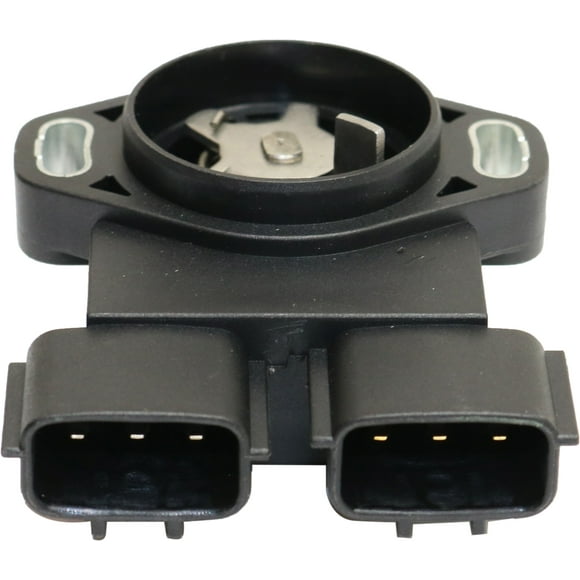
So, your 2008 Nissan Versa is acting up? Hesitation, stalling, poor fuel economy – these gremlins can be incredibly frustrating. Often, the culprit behind these issues is a malfunctioning Throttle Position Sensor, or TPS. Don't worry, we're here to walk you through understanding the problem and finding a solution.
Understanding the Throttle Position Sensor (TPS)
The Throttle Position Sensor is a vital component in your Versa's engine management system. Think of it as the middleman between your accelerator pedal and the engine's computer (ECU). The TPS monitors the position of the throttle plate (which controls airflow into the engine) and sends this information to the ECU as an electrical signal. The ECU then uses this information, along with input from other sensors, to determine the correct amount of fuel to inject, ensuring smooth acceleration and optimal engine performance. Without a working TPS, the ECU is essentially blind, leading to all sorts of drivability problems.
What Happens When the TPS Fails?
A faulty TPS can send inaccurate or inconsistent signals to the ECU, causing a ripple effect throughout the engine's operation. Here are some common symptoms you might experience:
- Rough idling or stalling: The engine might struggle to maintain a consistent idle speed, leading to rough running or even stalling, especially when stopped at a light.
- Hesitation or stumbling during acceleration: When you press the gas pedal, the engine might hesitate or stumble before responding, making it difficult to accelerate smoothly.
- Poor fuel economy: An inaccurate TPS signal can cause the ECU to inject too much or too little fuel, leading to decreased fuel efficiency.
- Check Engine Light (CEL): The CEL is your car's way of telling you something is wrong. A faulty TPS will often trigger the CEL, and the diagnostic trouble code (DTC) will likely point to a TPS issue. Common codes include P0120, P0121, P0122, P0123, and P0124.
- Erratic shifting (automatic transmissions): In some cases, a bad TPS can affect the transmission's shift points, causing erratic or harsh shifting.
Diagnosing a Faulty TPS
While the symptoms above can strongly suggest a TPS problem, it's essential to confirm the diagnosis before replacing the sensor. Here's how to proceed:
- Read the Diagnostic Trouble Codes (DTCs): The first step is to connect an OBD-II scanner to your Versa's diagnostic port (usually located under the dashboard near the steering column). This will allow you to retrieve any stored DTCs. Write down all the codes, as they can provide valuable clues.
- Research the Codes: Use the internet or a repair manual to research the meaning of the DTCs. Pay close attention to codes related to the TPS (e.g., P0120-P0124).
- Inspect the TPS Wiring and Connector: Carefully inspect the TPS wiring harness and connector for any signs of damage, such as frayed wires, corrosion, or loose connections. A faulty wiring connection can mimic a faulty TPS.
- Perform a Voltage Test: If you're comfortable working with electrical components, you can use a multimeter to test the TPS voltage. With the ignition on but the engine off, you should see a smooth and gradual voltage increase as you manually move the throttle plate. A sudden jump, drop, or inconsistent reading indicates a problem with the TPS. You'll need to consult your Versa's repair manual for the specific voltage range and testing procedure.
Tools Needed for Diagnosis:
- OBD-II scanner
- Multimeter (optional, but highly recommended for accurate diagnosis)
- Basic hand tools (screwdrivers, pliers)
- Repair manual or access to online repair information
Important Safety Tip: Always disconnect the negative battery cable before working on any electrical components in your vehicle. This will prevent accidental shorts and electrical shocks.
Replacing the Throttle Position Sensor
If your diagnosis confirms a faulty TPS, replacing it is usually a straightforward process. However, if you're not comfortable working on your car, it's always best to take it to a qualified mechanic.
- Gather Your Tools and Parts: You'll need a new TPS (make sure it's the correct one for your 2008 Nissan Versa), basic hand tools (screwdrivers, sockets, wrenches), and potentially a throttle body cleaner.
- Disconnect the Negative Battery Cable: As mentioned earlier, this is crucial for safety.
- Locate the TPS: The TPS is typically mounted on the throttle body, which is located on the engine intake manifold. Consult your Versa's repair manual for the exact location.
- Disconnect the TPS Connector: Carefully disconnect the electrical connector from the TPS.
- Remove the Old TPS: The TPS is usually held in place by screws. Remove the screws and gently detach the old TPS from the throttle body.
- Install the New TPS: Install the new TPS in the reverse order of removal. Make sure to align it correctly and tighten the screws securely. Do not overtighten!
- Reconnect the TPS Connector: Reconnect the electrical connector to the new TPS.
- Reconnect the Negative Battery Cable: Reconnect the negative battery cable.
- Clear the DTCs: Use your OBD-II scanner to clear any stored DTCs.
- Perform a Throttle Body Relearn Procedure (if necessary): Some vehicles require a throttle body relearn procedure after replacing the TPS. This allows the ECU to learn the new TPS's signal range. Consult your Versa's repair manual to see if this is necessary and how to perform the relearn procedure. This can sometimes be done using the OBD-II scanner, or it may require a specific driving pattern.
- Test Drive: Take your Versa for a test drive to ensure that the problem is resolved and that the engine is running smoothly.
Tools Needed for Replacement:
- New Throttle Position Sensor (correct part for your vehicle)
- Basic hand tools (screwdrivers, sockets, wrenches)
- Throttle body cleaner (optional, but recommended)
- OBD-II scanner
- Torque wrench (optional, but recommended for accurate tightening)
Approximate Repair Costs
The cost of replacing a TPS on a 2008 Nissan Versa can vary depending on several factors, including:
- The cost of the TPS: Aftermarket TPS sensors can range from $30 to $80. OEM (Original Equipment Manufacturer) sensors are typically more expensive, ranging from $80 to $150 or more.
- Labor costs (if applicable): If you choose to have a mechanic replace the TPS, labor costs can range from $80 to $200, depending on the shop's hourly rate and the complexity of the job.
- Diagnostic fees (if applicable): If you have a mechanic diagnose the problem, they may charge a diagnostic fee, typically ranging from $50 to $150.
Therefore, the total cost of replacing a TPS can range from $110 to $350 or more, depending on whether you do the work yourself and the type of TPS you choose.
Preventative Maintenance
While TPS failures can occur, there are a few things you can do to help prevent them:
- Keep the Throttle Body Clean: A dirty throttle body can interfere with the TPS's operation. Clean the throttle body periodically (every 30,000 miles or so) using a throttle body cleaner.
- Regular Maintenance: Following your Versa's recommended maintenance schedule can help identify and address potential problems before they lead to component failures.
- Avoid Harsh Acceleration: While it's tempting to floor the gas pedal, excessive hard acceleration can put strain on the TPS and other engine components.
Conclusion
A faulty Throttle Position Sensor can cause a variety of drivability problems in your 2008 Nissan Versa. By understanding the symptoms, performing a thorough diagnosis, and following the steps outlined above, you can either replace the TPS yourself or make an informed decision about taking your car to a mechanic. Remember to prioritize safety and consult your Versa's repair manual for specific instructions and torque specifications. Good luck getting your Versa running smoothly again!