
2009 Nissan Altima Transmission Fluid Type
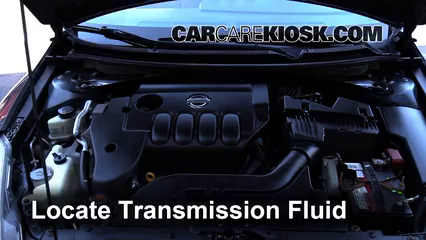
Hey there, fellow Altima owner! If you're reading this, chances are you're wrestling with a question that's plagued many a 2009 Nissan Altima driver: What type of transmission fluid does my car *really* need?
It's a valid concern. Using the wrong fluid can lead to a whole host of problems, from sluggish shifting and reduced fuel economy to, in the worst-case scenario, complete transmission failure. Nobody wants that!
The Problem: Decoding the Fluid Mystery
The 2009 Nissan Altima, depending on the engine (2.5L or 3.5L) and, crucially, the type of transmission (CVT or conventional automatic), requires a very specific type of transmission fluid. This is where the confusion kicks in.
For Altimas equipped with the CVT (Continuously Variable Transmission), which is the most common setup, you absolutely, positively *must* use Nissan CVT Fluid NS-2. This is specifically formulated for the unique demands of a CVT transmission. Using anything else is a recipe for disaster.
Now, if you have a 2009 Altima with a conventional automatic transmission (generally found in some earlier models or less common configurations), the fluid requirement shifts to Nissan Matic-D or Matic-J. It's critical to confirm which one specifically through your owner's manual or by consulting with a trusted mechanic.
The challenge is many aftermarket fluids claim to be "compatible" or "suitable" for Nissan CVT transmissions. While some might offer temporary relief, they often lack the precise friction modifiers and viscosity characteristics needed to protect the delicate internal components of your CVT. This can lead to premature wear and tear, ultimately shortening the lifespan of your transmission.
The biggest mistake we see is people assuming all automatic transmissions use the same fluid. They don't! Each type has very specific requirements, and substituting one for another can cause serious damage.
Why is the Right Fluid So Important?
Think of transmission fluid as the lifeblood of your transmission. It performs several crucial functions:
- Lubrication: It reduces friction between moving parts, preventing wear and tear.
- Cooling: It dissipates heat generated by the transmission, preventing overheating.
- Hydraulic Power: It transmits hydraulic pressure to shift gears (in a conventional automatic) or adjust the pulleys (in a CVT).
- Cleaning: It removes contaminants and debris from the transmission.
Using the wrong fluid compromises these functions, leading to increased friction, overheating, poor shifting performance, and ultimately, transmission failure. The CVT, in particular, is incredibly sensitive to fluid type because it relies on a precise balance of friction between the belt and pulleys to transmit power. The wrong fluid can disrupt this balance, causing slippage and damage.
The Solution: Identifying and Using the Correct Fluid
Here's a step-by-step guide to ensuring you use the right transmission fluid in your 2009 Nissan Altima:
- Consult Your Owner's Manual: This is the first and most important step. Your owner's manual will clearly state the recommended transmission fluid for your specific vehicle.
- Check Your Transmission Type: If you're unsure whether you have a CVT or a conventional automatic, there are a few ways to find out:
- Look for a CVT badge: Some Altimas with CVT transmissions have a badge on the rear of the vehicle indicating this.
- Check the shift lever: CVTs often have a smoother, more continuous shifting action compared to the stepped shifts of a conventional automatic.
- VIN Decoder: Use an online VIN decoder to look up your vehicle's specifications. This will confirm the transmission type.
- Purchase the Correct Fluid: Once you've identified the transmission type and the recommended fluid, purchase the correct fluid. For CVTs, stick with genuine Nissan CVT Fluid NS-2. While it might be slightly more expensive than aftermarket options, it's the best insurance against transmission problems. If you have a conventional automatic, double-check whether your manual calls for Matic-D or Matic-J.
- Consider a Professional Flush: If you're unsure about performing a transmission fluid change yourself, or if your transmission fluid is severely contaminated, consider having a professional perform a transmission flush. This ensures that all of the old fluid is removed and replaced with fresh fluid.
Tools and Materials Needed for a DIY Fluid Change (General Guide - Consult your service manual for specific instructions):
- The Correct Transmission Fluid: As discussed above.
- New Drain Plug Washer: Always replace this when you remove the drain plug.
- Socket Wrench and Sockets: For removing the drain plug and fill plug. The specific sizes will vary depending on your vehicle.
- Funnel: To easily pour the new fluid into the transmission.
- Drain Pan: To catch the old fluid.
- Gloves: To protect your hands.
- Rags or Shop Towels: For cleaning up spills.
- Torque Wrench: To tighten the drain plug to the correct torque specification (found in your service manual).
- Jack and Jack Stands: To safely raise the vehicle (if needed). Safety first!
Approximate Repair Costs:
These are just estimates, and the actual cost can vary depending on your location and the shop you choose.
- Transmission Fluid Change (DIY): $50 - $100 (cost of fluid and supplies)
- Transmission Fluid Change (Professional): $150 - $300 (including labor and fluid)
- Transmission Flush (Professional): $200 - $400 (including labor and fluid)
- Transmission Replacement (CVT): $3,000 - $6,000 (including labor and parts) - *Avoid this by using the correct fluid!*
Practical Tips and Troubleshooting
- Check Fluid Level Regularly: Refer to your owner's manual for the correct procedure to check your transmission fluid level. Low fluid can cause shifting problems and damage the transmission.
- Look for Leaks: Inspect the area around your transmission for any signs of leaks. Address leaks promptly to prevent fluid loss and potential damage.
- Observe Shifting Behavior: Pay attention to how your transmission is shifting. Any signs of slipping, harsh shifting, or delayed engagement should be investigated promptly.
- Don't Mix Fluids: Never mix different types of transmission fluid. Always drain the old fluid completely before adding new fluid.
- Consider a Fluid Analysis: If you're concerned about the condition of your transmission fluid, consider having it analyzed by a professional lab. This can provide valuable insights into the health of your transmission.
- Temperature matters: Especially with CVTs, ensure the fluid is at the correct operating temperature before checking the level. Cold fluid will give a false reading.
Important Note: Some older Altimas might have a dipstick for checking the transmission fluid level. However, many later models, especially those with CVTs, do *not* have a dipstick. In these cases, checking the fluid level requires a specific procedure involving removing a check plug and ensuring the fluid level is correct when the engine is running and the fluid is at the proper temperature. Consult your service manual for details.
If you're experiencing any serious transmission problems, such as slipping, jerking, or a complete loss of drive, it's best to consult with a qualified mechanic as soon as possible. Delaying repairs can often lead to more extensive and costly damage.
In conclusion, taking the time to identify and use the correct transmission fluid for your 2009 Nissan Altima is a small investment that can save you a lot of money and headaches in the long run. Don't cut corners on this crucial maintenance item!
By following these guidelines and staying proactive about your transmission's health, you can help ensure that your Altima continues to provide reliable performance for years to come. Good luck, and happy driving!