
2011 Maxima Ac Compressor Replacement
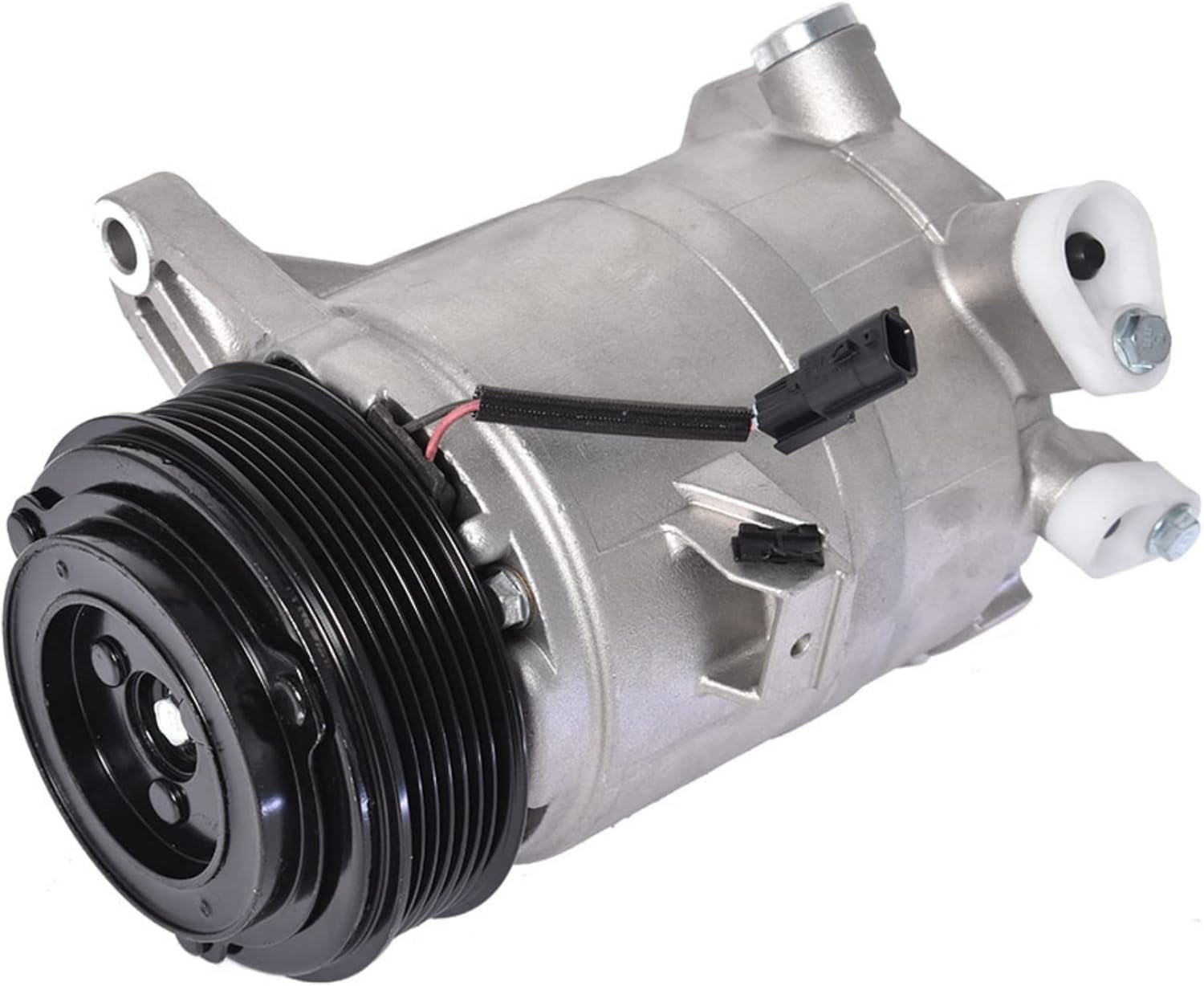
If you're experiencing issues with the air conditioning in your 2011 Nissan Maxima, a faulty AC compressor might be the culprit. Replacing the AC compressor can seem daunting, but with the right information and tools, it's a manageable task, whether you choose to tackle it yourself or entrust it to a professional. This article provides a comprehensive guide to understanding the process of a 2011 Maxima AC compressor replacement, covering symptoms, costs, and essential steps.
Identifying the Need for a 2011 Maxima AC Compressor Replacement
Before diving into the replacement process, it's crucial to accurately diagnose the problem. A malfunctioning AC compressor can manifest in several ways. Recognizing these symptoms will help you determine if replacement is truly necessary.
- Weak or No Cold Air: This is the most obvious symptom. If your AC is blowing warm air instead of cold, the compressor may not be functioning properly. The compressor is responsible for circulating the refrigerant, and if it's failing, the refrigerant won't be compressed and cooled effectively.
- Unusual Noises: A failing compressor often emits loud, unusual noises, such as grinding, squealing, or rattling sounds. These noises are usually most noticeable when the AC is turned on. These sounds indicate internal wear and tear within the compressor.
- Clutch Issues: The AC compressor clutch engages and disengages the compressor, allowing it to cycle on and off. If the clutch is faulty, it may not engage at all, preventing the compressor from working. You might hear a clicking sound but no cold air.
- Leaking Refrigerant: A leak can be detected by a mechanic using specialized equipment. However, if you notice an oily residue near the compressor, it could be a sign of a refrigerant leak. Low refrigerant levels will impact the AC's cooling performance.
- Compressor Not Engaging: Even with the AC turned on, the compressor might not be engaging. This can be due to a faulty clutch, a problem with the electrical system, or an internal compressor failure.
- AC Light Flashing or Diagnostic Codes: Some vehicles will display a warning light on the dashboard if there's an issue with the AC system. A diagnostic scan can reveal specific error codes related to the compressor.
If you're experiencing several of these symptoms, it's highly likely that your 2011 Maxima's AC compressor needs replacement. It's always recommended to have a qualified mechanic diagnose the issue to confirm the problem and ensure there aren't any other underlying causes.
Estimating the Cost of a 2011 Maxima AC Compressor Replacement
The cost of replacing an AC compressor on a 2011 Nissan Maxima can vary depending on several factors:
- The Cost of the Compressor: The price of the compressor itself will depend on whether you choose a new, remanufactured, or aftermarket part. New compressors are generally the most expensive, while remanufactured compressors offer a more affordable alternative. Aftermarket compressors can be the cheapest, but quality can vary significantly.
- Labor Costs: Labor costs will vary depending on the mechanic's hourly rate and the complexity of the job. Replacing an AC compressor can take several hours, so labor costs can add up.
- Additional Parts: In addition to the compressor, you may need to replace other parts, such as the receiver drier, expansion valve, and O-rings. These parts are often recommended to be replaced along with the compressor to ensure the system functions correctly and to prevent future problems.
- Refrigerant: After replacing the compressor, the system will need to be recharged with refrigerant. The cost of refrigerant can vary depending on the type and quantity required.
- Diagnostic Fees: Before starting the replacement, a mechanic may charge a diagnostic fee to confirm the problem.
As a general estimate, you can expect to pay between $600 and $1200 for a 2011 Maxima AC compressor replacement. This range includes the cost of the compressor, labor, and any additional parts or services. It is always best to get quotes from several different mechanics to find the best price. Remember to ask for a detailed breakdown of the costs to understand exactly what you're paying for.
Step-by-Step Guide to Replacing a 2011 Maxima AC Compressor (DIY - Proceed with Caution)
Disclaimer: Replacing an AC compressor is a complex task that requires specialized tools and knowledge. If you're not comfortable working on your vehicle's AC system, it's best to entrust the job to a qualified mechanic. Working with refrigerant can be dangerous, and improper handling can damage the environment and your vehicle. If you do choose to perform this repair yourself, exercise extreme caution and follow all safety guidelines.
Here's a general overview of the steps involved in replacing a 2011 Maxima AC compressor:
- Gather Your Tools and Supplies: You'll need a socket set, wrenches, screwdrivers, a refrigerant recovery machine (essential for legally and safely removing refrigerant), a vacuum pump, gauges, a new AC compressor, a receiver drier, an expansion valve (optional, but recommended), O-rings, refrigerant oil, and safety glasses.
- Recover the Refrigerant: This is a critical step that must be performed legally and safely. Use a refrigerant recovery machine to remove all refrigerant from the system. Releasing refrigerant into the atmosphere is illegal and harmful to the environment.
- Disconnect the Battery: Disconnect the negative battery terminal to prevent electrical shocks.
- Remove the Drive Belt: Locate the AC compressor drive belt and loosen the tensioner pulley to remove the belt.
- Disconnect the Electrical Connections: Disconnect the electrical connectors from the AC compressor.
- Disconnect the Refrigerant Lines: Carefully disconnect the refrigerant lines from the compressor. Use appropriate wrenches to avoid damaging the fittings. Be prepared for a small amount of residual refrigerant to leak out.
- Remove the Old Compressor: Unbolt the old compressor from its mounting brackets and carefully remove it from the engine compartment.
- Install the New Receiver Drier (if applicable): Replace the receiver drier, as it filters moisture from the system.
- Install the New Expansion Valve (optional): Replacing the expansion valve can improve system performance and prevent future problems.
- Install the New Compressor: Install the new compressor in its mounting brackets and bolt it securely in place.
- Connect the Refrigerant Lines: Connect the refrigerant lines to the new compressor, using new O-rings to ensure a tight seal.
- Connect the Electrical Connections: Reconnect the electrical connectors to the compressor.
- Install the Drive Belt: Reinstall the drive belt, making sure it's properly aligned on all pulleys.
- Evacuate the System: Use a vacuum pump to evacuate the system for at least 30-45 minutes to remove any air and moisture.
- Charge the System: Charge the system with the correct amount of refrigerant, according to the vehicle's specifications.
- Test the System: Start the engine and turn on the AC to test the system. Check for leaks and ensure that the air is blowing cold.
This is a simplified overview, and each step requires careful attention to detail. It's highly recommended to consult a repair manual or online resources specific to your 2011 Maxima for detailed instructions and diagrams. Working on AC systems requires specialized tools and knowledge, and improper procedures can lead to serious injury or damage to your vehicle.
Choosing the Right AC Compressor for Your 2011 Maxima
When selecting a replacement AC compressor, you have several options:
- New OEM (Original Equipment Manufacturer) Compressor: This is the most expensive option but offers the best quality and reliability. OEM compressors are made by the same manufacturer that supplied the original compressor for your vehicle.
- Remanufactured OEM Compressor: Remanufactured compressors are rebuilt using original parts and meet OEM specifications. They offer a good balance of quality and affordability.
- Aftermarket Compressor: Aftermarket compressors are made by third-party manufacturers. They are typically the least expensive option, but quality can vary significantly. Choose reputable brands and read reviews before purchasing an aftermarket compressor.
Consider your budget and needs when choosing a compressor. If you're looking for the best possible performance and reliability, a new OEM compressor is the best choice. If you're on a tighter budget, a remanufactured OEM compressor can be a good option. If you choose an aftermarket compressor, do your research and select a reputable brand.
Preventing Future AC Compressor Problems
To prolong the life of your new AC compressor and prevent future problems, consider the following tips:
- Regular AC Servicing: Have your AC system serviced regularly by a qualified mechanic. This includes checking refrigerant levels, inspecting the compressor and other components, and cleaning the system.
- Run Your AC Regularly: Even during the winter months, run your AC for a few minutes each week to keep the compressor lubricated and prevent seals from drying out.
- Address Leaks Promptly: If you suspect a refrigerant leak, have it repaired immediately. Low refrigerant levels can damage the compressor.
- Avoid Overcharging the System: Overcharging the system with refrigerant can put excessive strain on the compressor.
- Use the Correct Type of Refrigerant: Using the wrong type of refrigerant can damage the compressor and other components.
When to Call a Professional
While this article provides a guide to AC compressor replacement, certain situations warrant professional assistance:
- Lack of Experience: If you lack experience working on automotive AC systems, it's best to leave the job to a professional.
- Specialized Tools: AC compressor replacement requires specialized tools, such as a refrigerant recovery machine and a vacuum pump.
- Refrigerant Handling: Handling refrigerant requires proper training and certification. Improper handling can be dangerous and illegal.
- Complex Issues: If you suspect that there may be other underlying issues with your AC system, it's best to have a professional diagnose and repair the problem.
Replacing your 2011 Maxima's AC compressor can restore your vehicle's cooling system to optimal performance. Whether you choose to tackle the job yourself or hire a professional, understanding the process and costs involved will help you make an informed decision. By following the advice in this article, you can ensure a successful and long-lasting repair. Remember safety first!