
2011 Nissan Maxima Windshield Wipers Size
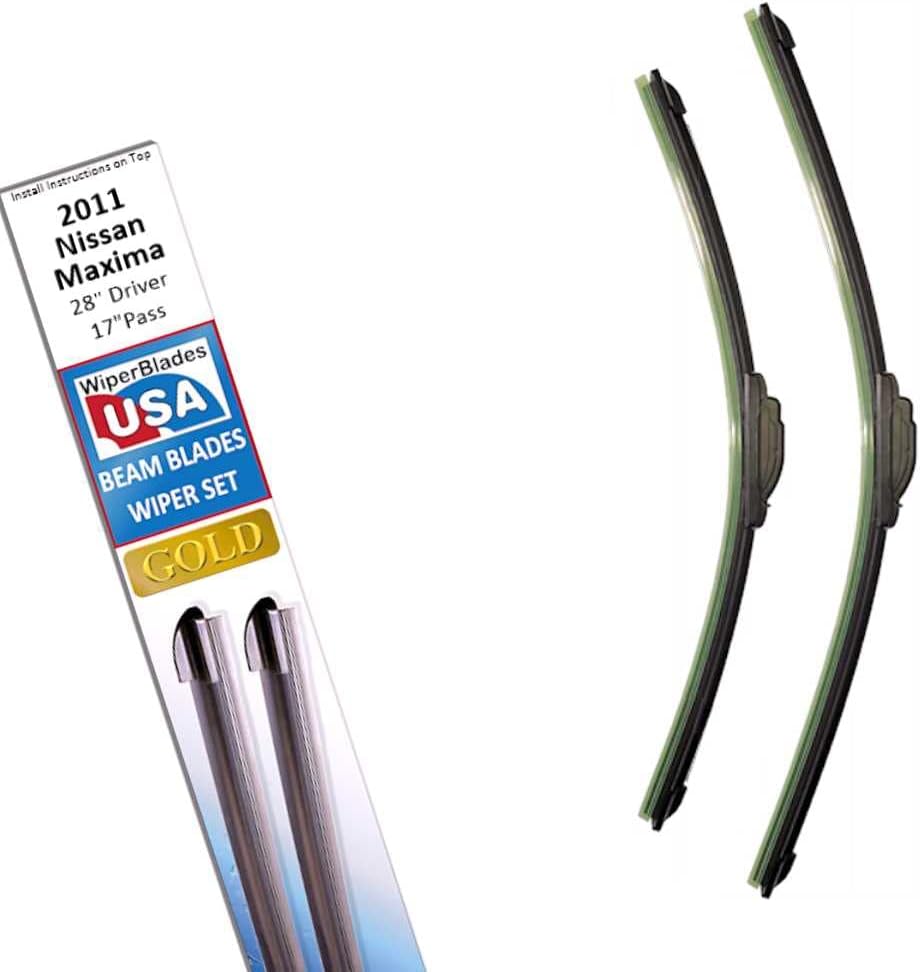
Hey there, Maxima owners! Running into some issues with your 2011 Nissan Maxima's windshield wipers? Are they streaking, skipping, or just plain not doing their job? You're not alone. One of the most common issues we see here at the shop involves incorrect wiper blade size. Let's dive into the details to get your windshield crystal clear again.
Understanding the Correct Wiper Size for Your 2011 Maxima
First things first, let's talk about getting the right size wipers. The 2011 Nissan Maxima uses a specific wiper blade setup: a 26-inch blade on the driver's side and an 18-inch blade on the passenger's side. Using the wrong size can lead to several problems, including:
- Incomplete windshield clearing: Shorter blades leave areas of the windshield untouched, reducing visibility.
- Overlapping or collision: Blades that are too long might hit each other or the windshield trim, causing damage and noise.
- Wiper motor strain: Incorrectly sized blades can put extra stress on the wiper motor, potentially leading to premature failure.
It's crucial to double-check the sizes before you purchase new blades. Some auto parts stores might suggest a slightly different size, but sticking to the factory specifications is generally the best practice for optimal performance and longevity.
Common Problems Caused by Incorrect Wiper Size
So, you've got wipers, but something still feels off. Here are some telltale signs that incorrect wiper size might be the culprit:
Streaking and Smearing
This is the most common symptom. If the blades aren't the correct length, they may not apply even pressure across the windshield, leading to those annoying streaks and smears. Uneven wear on the blades themselves can also contribute to streaking, making it even more important to ensure the right size is used.
Skipping or Chattering
This usually happens when the wiper blade isn't making consistent contact with the glass. A blade that's too short might skip over sections, while a blade that's too long might chatter as it struggles to move across the curved surface of the windshield. Age of the wiper blades also can cause this.
Noisy Operation
If you're hearing loud squeaking, scraping, or thumping sounds when the wipers are on, it could be due to the blades being the wrong size. Overlapping or colliding blades will definitely create a racket. A worn wiper motor will also exhibit a squealing sound from the motor itself.
Damage to the Wiper Arms or Motor
This is the worst-case scenario. Forcing the wiper motor to operate with incorrectly sized blades can put undue strain on the mechanism. Over time, this can lead to premature wear and even failure of the wiper motor or damage to the wiper arms themselves. Replacement of the motor can be quite expensive, so it is best to make sure the blades are the proper size.
How to Replace Your 2011 Maxima's Windshield Wipers
Replacing your windshield wipers is a relatively simple DIY task. Here's a step-by-step guide:
- Gather your supplies: You'll need new 26-inch and 18-inch wiper blades that are compatible with the 2011 Nissan Maxima's wiper arm attachment type (usually a hook-shaped connector). A small flathead screwdriver *may* be helpful, but often isn't necessary.
- Lift the wiper arm: Gently lift the wiper arm away from the windshield until it locks in the upright position.
- Remove the old blade: Locate the release tab or button on the wiper blade attachment. Press or lift the tab to release the old blade from the wiper arm. You may need to slide the old blade down or up the arm to detach it completely.
- Attach the new blade: Align the new wiper blade with the wiper arm and slide it into place until it clicks or locks securely. Ensure the blade is properly seated and cannot be easily pulled off.
- Repeat for the other side: Follow the same steps to replace the wiper blade on the passenger's side.
- Lower the wiper arms: Carefully lower both wiper arms back onto the windshield.
- Test the wipers: Turn on your windshield wipers and washer fluid to ensure the new blades are working correctly and clearing the windshield effectively.
Tools Needed: Typically, you won't need any tools. However, a small flathead screwdriver *may* be helpful if the release tab is stuck. Having a rag to wipe off any debris is also recommended.
Choosing the Right Wiper Blades
With so many wiper blade options on the market, it can be overwhelming to choose the right ones for your 2011 Maxima. Here's a quick rundown of the common types:
Conventional Wiper Blades
These are the most common and affordable type. They feature a metal frame with several pressure points to distribute force across the blade. They are generally the least expensive but can wear out more quickly than other options.
Beam Blades
Beam blades have a sleeker, frameless design that conforms better to the windshield's curvature. They provide more even pressure distribution, resulting in better wiping performance and reduced streaking. They tend to perform well in all types of weather.
Hybrid Blades
Hybrid blades combine the features of conventional and beam blades. They have a protective casing that shields the blade from the elements, extending its lifespan. They offer a good balance of performance and durability.
Specialty Blades
These include winter blades designed to withstand snow and ice buildup, and rain-repellent blades that apply a hydrophobic coating to the windshield. These are for specific needs and climates.
When choosing wiper blades, consider your budget, driving conditions, and desired performance level. Reading online reviews and asking for recommendations from auto parts store staff can also be helpful.
Preventative Maintenance Tips for Your Windshield Wipers
To keep your windshield wipers in good condition and extend their lifespan, follow these preventative maintenance tips:
- Clean your windshield regularly: Dirt, grime, and debris can accumulate on the windshield and damage the wiper blades. Wash your windshield regularly with soap and water or a dedicated windshield cleaner.
- Clean the wiper blades: Periodically wipe down the wiper blades with a damp cloth to remove any dirt or debris.
- Check the wiper fluid level: Make sure your windshield washer fluid reservoir is always full. Using the washer fluid can help to lubricate the windshield and prevent the wipers from dragging.
- Replace the wiper blades regularly: As a general rule, you should replace your windshield wipers every 6 to 12 months, or sooner if you notice any signs of wear or reduced performance.
- Avoid using the wipers on a dry windshield: Running the wipers on a dry windshield can damage the blades and scratch the glass. Always use washer fluid to lubricate the surface.
- Park in the shade: Extended exposure to direct sunlight can cause the wiper blades to dry out and crack. Parking in the shade or using a windshield sunshade can help to protect the blades.
Estimated Repair Costs
If you're unable to replace the windshield wipers yourself, you can always take your 2011 Maxima to a mechanic. The cost of replacing windshield wipers at a shop typically ranges from $30 to $60, including the cost of the blades and labor. This is a rough estimate, and the actual cost may vary depending on the shop and the type of blades you choose. A wiper motor replacement can range from $200-$500 depending on the shop's hourly rate.
For most Maxima owners, this is a task that can easily be done at home, saving you both time and money!
Conclusion
Ensuring that your 2011 Nissan Maxima has the correct windshield wiper size – 26 inches on the driver's side and 18 inches on the passenger's side – is crucial for optimal visibility and safe driving. By understanding the common problems associated with incorrect wiper sizes, following the steps to replace your wipers, and practicing preventative maintenance, you can keep your windshield clear and your wipers working effectively for years to come. If you have any questions or concerns, don't hesitate to consult your owner's manual or seek professional advice from a qualified mechanic. Drive safely!