
2011 Nissan Murano Aux Input Location
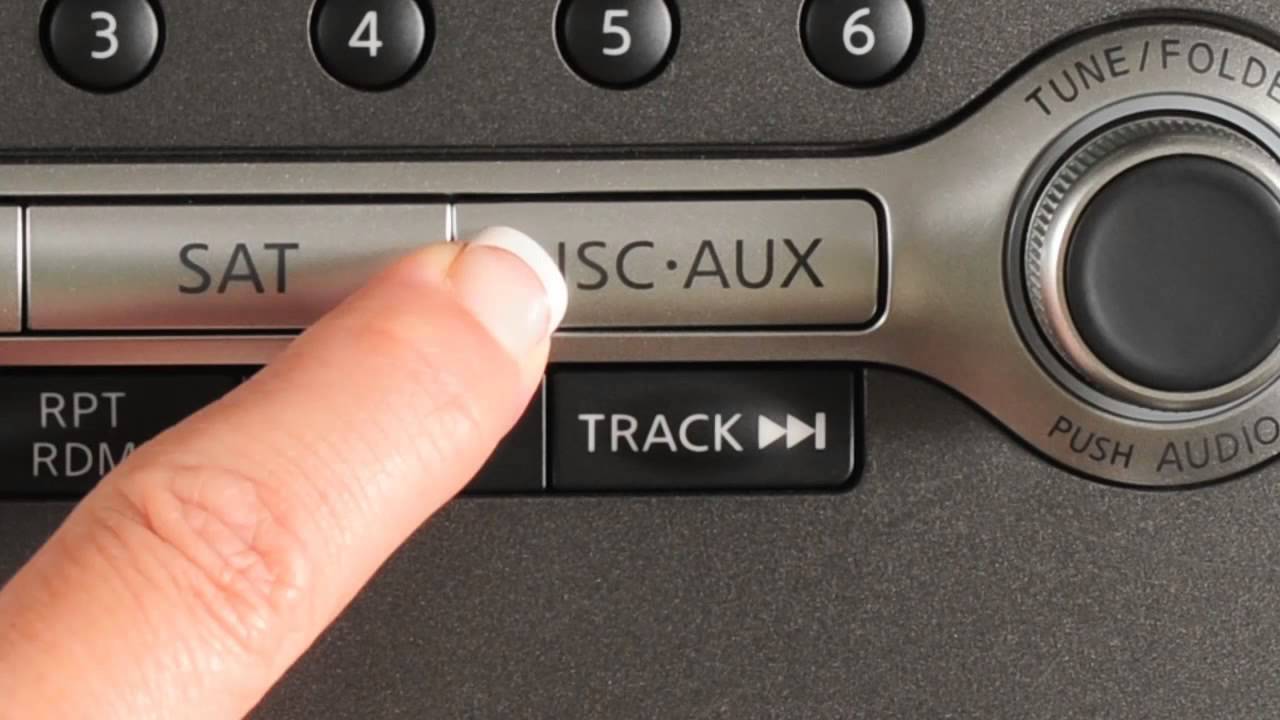
Okay, let's talk about the 2011 Nissan Murano's auxiliary (aux) input jack. While it might seem straightforward, locating it isn't always intuitive, and understanding its integration within the Murano's audio system is key for troubleshooting or modification. This article will guide you through the exact location, signal flow, potential issues, and even some advanced tweaking possibilities.
Finding the Aux Input
For the 2011 Murano, the auxiliary input jack is almost always located within the center console. Specifically, you'll want to open the console storage compartment between the driver and passenger seats. Look towards the front of the compartment, often near the bottom. You should find a 3.5mm (1/8 inch) TRS (Tip, Ring, Sleeve) connector. This is your aux input. It's a standard headphone jack, compatible with most portable audio devices like smartphones, MP3 players, or even older CD players.
Important Note: While this is the standard location, there are rare cases, particularly with specific trim levels or aftermarket modifications, where it might be slightly different. However, the center console is the first and most likely place to check.
Understanding the Signal Flow
Once you plug your device into the aux input, the audio signal follows a specific path. Let's break it down:
- Source Device: Your smartphone, MP3 player, etc., outputs an analog audio signal.
- Aux Input Jack: The 3.5mm jack receives this analog signal through its Tip, Ring, and Sleeve connections, representing the left audio channel, right audio channel, and ground respectively.
- Head Unit Pre-Amplifier: The signal travels from the jack, via wiring harness, to the Murano's head unit (the radio). Here, it enters a pre-amplifier stage. The pre-amplifier boosts the relatively weak signal from your device to a level suitable for processing by the head unit's internal components. This is crucial for achieving adequate volume levels.
- Input Selection: The head unit then selects the "AUX" input. This is typically done by pressing a button labeled "AUX," "External," or similar. This switch tells the head unit to prioritize the signal coming from the aux input over other sources like the radio or CD player.
- Audio Processing: The signal undergoes further processing within the head unit. This may include equalization (EQ), tone control (bass, treble), and possibly even digital signal processing (DSP) depending on the Murano's audio system configuration.
- Amplification: The processed signal is then sent to the main amplifier, either integrated into the head unit or a separate amplifier unit (common in higher trim levels with premium sound systems). The amplifier increases the signal's power to drive the speakers.
- Speakers: Finally, the amplified signal reaches the speakers, which convert the electrical signal into audible sound waves.
Troubleshooting Common Aux Input Issues
Several issues can arise with the aux input. Here's how to diagnose and potentially fix them:
No Sound or Low Volume
Potential Causes:
- Source Device Volume: The most common culprit! Ensure your phone or MP3 player's volume is turned up sufficiently. Don't rely solely on the Murano's volume knob.
- Incorrect Input Selection: Double-check that the head unit is set to the "AUX" input. Sometimes it can accidentally switch to another source.
- Dirty or Damaged Aux Jack: Dust, debris, or physical damage to the jack can interfere with the signal. Use a can of compressed air to clean the jack. Inspect it for bent pins or other visible damage.
- Faulty Aux Cable: A damaged or low-quality aux cable can cause signal degradation or complete loss. Try a different cable known to be working. High quality cables are recommended.
- Head Unit Problem: In rare cases, the head unit itself may have a problem with its aux input circuitry or the input selection switch. This is more difficult to diagnose and may require professional repair.
Static or Distortion
Potential Causes:
- Ground Loop: This is a common problem when using aux inputs, especially with devices charging simultaneously. A ground loop occurs when there are multiple paths to ground, creating a voltage difference that introduces noise into the audio signal.
- Cable Quality: A poorly shielded aux cable can pick up electromagnetic interference (EMI) from the vehicle's electrical system. Use a well-shielded cable.
- Loose Connection: A loose connection at either end of the aux cable can cause intermittent static or distortion. Ensure the cable is firmly plugged into both the source device and the Murano's aux input.
- Head Unit Problem: Again, internal issues with the head unit's amplifier or audio processing circuitry can introduce noise or distortion.
Troubleshooting Steps
- Isolate the Problem: The first step is to determine whether the problem lies with the source device, the aux cable, or the Murano's audio system. Try using a different source device and a different aux cable.
- Ground Loop Isolator: If you suspect a ground loop, try using a ground loop isolator. This is a small device that breaks the ground connection between the source device and the Murano's audio system, preventing the flow of unwanted current.
- Check for Loose Connections: Carefully inspect the aux input jack for any signs of damage or corrosion. Clean the jack with a cotton swab and rubbing alcohol.
- Professional Diagnosis: If you've tried all of the above steps and the problem persists, it's likely that there's an issue with the Murano's head unit or amplifier. Take the vehicle to a qualified car audio technician for diagnosis and repair.
Advanced Tweaking and Modifications
For those who are more adventurous, there are a few advanced tweaks you can consider:
Adding a Bluetooth Adapter
If you prefer wireless connectivity, you can add a Bluetooth adapter to the aux input. These adapters plug into the 3.5mm jack and pair with your smartphone or other Bluetooth-enabled device. This eliminates the need for a physical cable.
Improving Sound Quality
If you're not satisfied with the sound quality from the aux input, you can try using a dedicated headphone amplifier or digital-to-analog converter (DAC). These devices can improve the signal-to-noise ratio and dynamic range, resulting in cleaner and more detailed sound.
Integrating with Aftermarket Systems
If you're planning a major audio system upgrade, you can integrate the aux input into the new system. This may involve routing the signal through an external amplifier or processor. Consult with a car audio professional for assistance with this type of modification.
Conclusion
The 2011 Nissan Murano's aux input is a simple but versatile feature. By understanding its location, signal flow, and potential issues, you can troubleshoot common problems and even explore advanced modifications to enhance your listening experience. Remember to prioritize safety and consult with a professional if you're unsure about any aspect of the work. With a little knowledge and effort, you can keep your Murano's audio system sounding its best.