
2011 Nissan Pathfinder Catalytic Converter
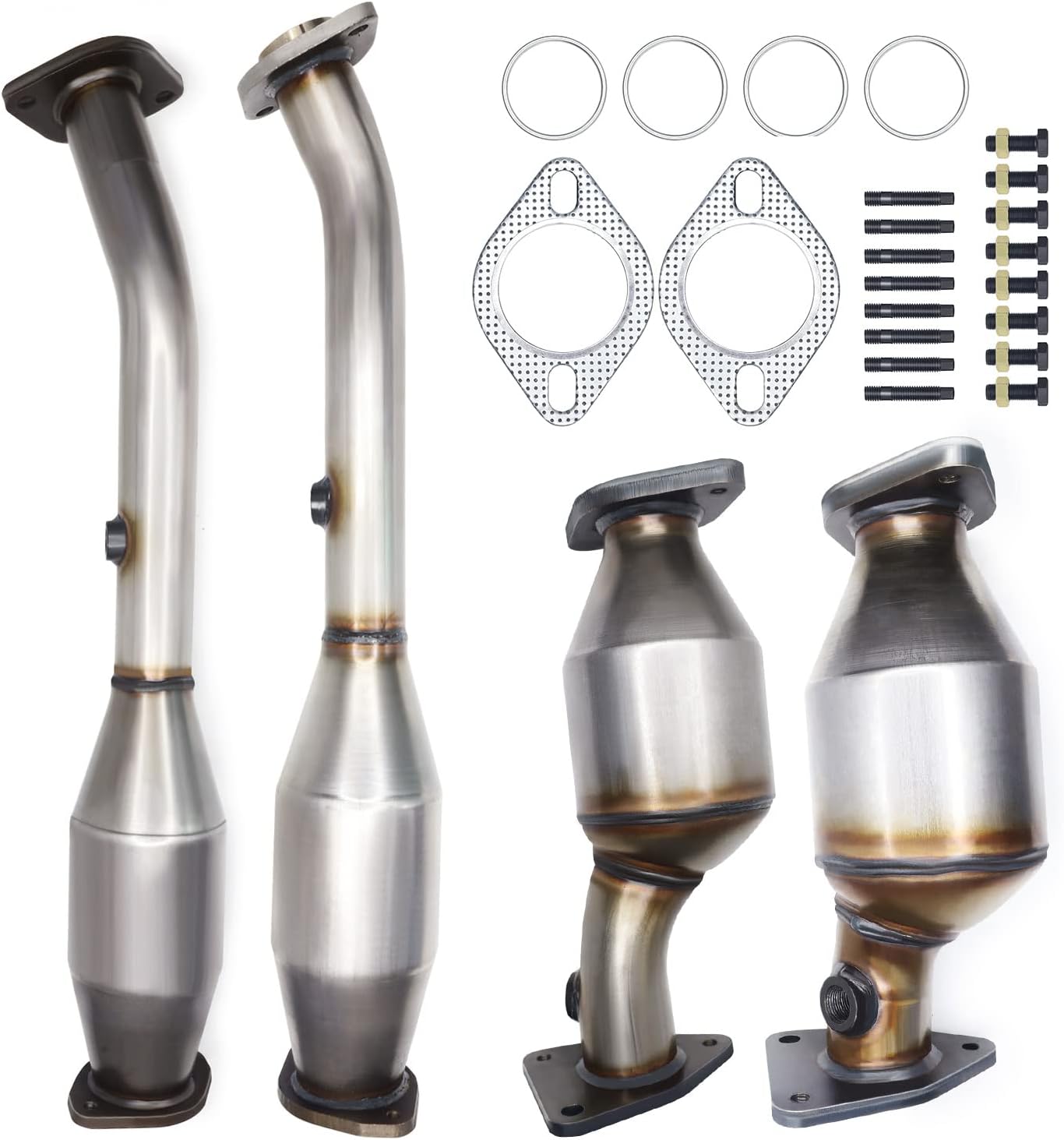
The 2011 Nissan Pathfinder, a versatile SUV known for its off-road capabilities and robust design, relies on a critical component for emissions control: the catalytic converter. Understanding the function, construction, and potential issues associated with the catalytic converter in this specific model is crucial for both maintenance and diagnosing performance problems. This guide delves into the technical aspects of the 2011 Pathfinder's catalytic converter, exploring its role, design, common failure points, and relevant diagnostic procedures.
The Role of the Catalytic Converter
At its core, the catalytic converter is an emissions control device designed to reduce the toxicity of pollutants in the exhaust gas stream. It facilitates chemical reactions that convert harmful substances into less harmful ones. Specifically, it targets three primary pollutants:
- Hydrocarbons (HC): Unburned fuel, a major contributor to smog.
- Carbon Monoxide (CO): A poisonous gas produced by incomplete combustion.
- Nitrogen Oxides (NOx): Compounds that contribute to smog and acid rain.
The catalytic converter transforms these substances into:
- Carbon Dioxide (CO2): A greenhouse gas (less harmful than CO in terms of immediate toxicity).
- Water (H2O): A harmless byproduct of combustion.
- Nitrogen (N2): A naturally occurring and harmless gas in the atmosphere.
2011 Pathfinder Catalytic Converter Design & Construction
The 2011 Pathfinder employs a three-way catalytic converter, referring to its ability to simultaneously reduce all three targeted pollutants. The construction involves several key components:
Substrate
The substrate is the core of the converter, providing a large surface area for the catalytic reactions to occur. It's typically made of ceramic or metal, formed into a honeycomb structure. This honeycomb design maximizes the surface area exposed to the exhaust gases while minimizing backpressure. For the 2011 Pathfinder, a ceramic substrate is more common due to cost effectiveness, although some high-performance aftermarket options may utilize a metallic substrate. The material and structure of the substrate are crucial for optimal converter performance and longevity.
Washcoat
The washcoat is a layer of highly porous material, typically alumina (aluminum oxide), applied to the substrate. This washcoat further increases the surface area and acts as a carrier for the catalytic metals. It's designed to be highly resistant to high temperatures and chemical attack from the exhaust gases.
Catalytic Metals
These are the key ingredients for the catalytic reactions. The most common catalytic metals used in three-way converters are:
- Platinum (Pt): Primarily used for oxidizing hydrocarbons (HC) and carbon monoxide (CO).
- Palladium (Pd): Also effective for oxidizing HC and CO, often used in combination with platinum.
- Rhodium (Rh): Crucial for reducing nitrogen oxides (NOx) into nitrogen.
These metals are dispersed in extremely small particles throughout the washcoat, maximizing their contact with the exhaust gases. The precise ratio of these metals is carefully calibrated for optimal performance.
Housing
The entire assembly is encased in a protective metal housing, typically stainless steel, designed to withstand the high temperatures and harsh conditions of the exhaust system. The housing also provides mounting points for the converter and protects the delicate internal components from physical damage.
Oxygen Sensors
Although not part of the catalytic converter itself, oxygen sensors are intimately linked to its operation. The 2011 Pathfinder uses at least two oxygen sensors: an upstream (before the converter) and a downstream (after the converter) sensor. The upstream sensor monitors the air-fuel mixture entering the engine and provides feedback to the engine control unit (ECU) for adjustments. The downstream sensor monitors the oxygen content of the exhaust gases after they have passed through the converter. This provides feedback to the ECU about the converter's efficiency. A properly functioning converter will significantly reduce the oxygen content in the exhaust stream, indicated by a stable voltage reading from the downstream sensor.
Common Failure Points of the 2011 Pathfinder Catalytic Converter
Catalytic converters are generally robust, but they are susceptible to failure due to several factors:
Contamination
This is the most common cause of catalytic converter failure. Contamination occurs when substances like engine oil, coolant, or excessive fuel enter the converter and coat the catalytic metals. These contaminants can poison the catalytic metals, rendering them ineffective. Common causes of contamination include leaking valve stem seals, worn piston rings, and overfueling due to faulty injectors. Using the incorrect type of engine oil can also lead to catalyst poisoning.
Overheating
Excessively rich air-fuel mixtures or misfires can cause unburned fuel to enter the converter. This fuel can ignite within the converter, causing extremely high temperatures that can melt or damage the substrate. Overheating can also occur if the engine is running lean for extended periods. Lean conditions can lead to excessive oxygen in the exhaust stream, reacting with the catalytic metals and causing thermal degradation.
Physical Damage
Physical damage can result from road debris, collisions, or even internal engine failures that send debris into the exhaust system. A severely damaged converter will often produce a rattling sound and may not function properly.
Age and Wear
Over time, the catalytic metals can gradually degrade due to normal wear and tear. This reduces the converter's efficiency, eventually leading to a failure code.
Sensor Failures
While not directly a failure of the converter itself, malfunctioning oxygen sensors can trigger fault codes that indicate converter inefficiency. A faulty downstream oxygen sensor may not accurately reflect the converter's performance, leading to a misdiagnosis.
Diagnostic Procedures for the 2011 Pathfinder Catalytic Converter
Diagnosing catalytic converter problems requires a systematic approach. Here are some common diagnostic procedures:
Visual Inspection
Begin with a visual inspection of the converter for any signs of physical damage, such as dents, cracks, or corrosion. Also, check the exhaust system for leaks, as these can affect the converter's performance.
Scan Tool Analysis
Use a scan tool to retrieve diagnostic trouble codes (DTCs) from the ECU. Common codes associated with catalytic converter problems include:
- P0420: Catalyst System Efficiency Below Threshold (Bank 1)
- P0430: Catalyst System Efficiency Below Threshold (Bank 2)
These codes indicate that the downstream oxygen sensor is detecting insufficient oxygen reduction, suggesting that the converter is not functioning efficiently. However, it's crucial to remember that these codes can also be triggered by other issues, such as exhaust leaks or faulty oxygen sensors. Analyze freeze frame data along with the DTCs to better understand the conditions that triggered the code.
Oxygen Sensor Testing
Use a scan tool or multimeter to monitor the voltage readings from the upstream and downstream oxygen sensors. The upstream sensor should exhibit fluctuating voltage readings as the ECU adjusts the air-fuel mixture. The downstream sensor should have a relatively stable voltage reading, indicating consistent oxygen levels. Erratic or sluggish readings from either sensor can indicate a problem.
Exhaust Backpressure Test
A clogged catalytic converter can create excessive backpressure in the exhaust system. A backpressure test involves connecting a pressure gauge to a test port in the exhaust system (typically where an oxygen sensor is located) and measuring the exhaust pressure at a specific engine speed. Excessive backpressure indicates a blockage, potentially within the converter.
Temperature Test
Use an infrared thermometer to measure the temperature of the converter inlet and outlet. A properly functioning converter will typically have a significantly higher temperature at the outlet than the inlet, indicating that catalytic reactions are occurring. A minimal temperature difference can suggest a malfunctioning converter.
Performing a "Smoke Test"
A smoke test of the exhaust system can locate leaks that may be causing the error codes. Injecting smoke into the exhaust can show leaks when the smoke seeps out. This may not directly test the converter, but can assist in assuring a clean exhaust environment for accurate sensor reading and analysis.
Conclusion
The catalytic converter is an essential component of the 2011 Nissan Pathfinder's emissions control system. Understanding its function, construction, and common failure points is crucial for proper maintenance and diagnosis. By employing a systematic approach to diagnostics, including visual inspection, scan tool analysis, oxygen sensor testing, and backpressure testing, you can effectively identify and address catalytic converter problems, ensuring optimal performance and compliance with emissions regulations. Always consult the vehicle's service manual for specific diagnostic procedures and repair recommendations. Proper diagnosis and repair are essential for maintaining the health and longevity of your 2011 Nissan Pathfinder's exhaust system and engine.