
2012 Infiniti Qx56 Rear Lower Control Arm
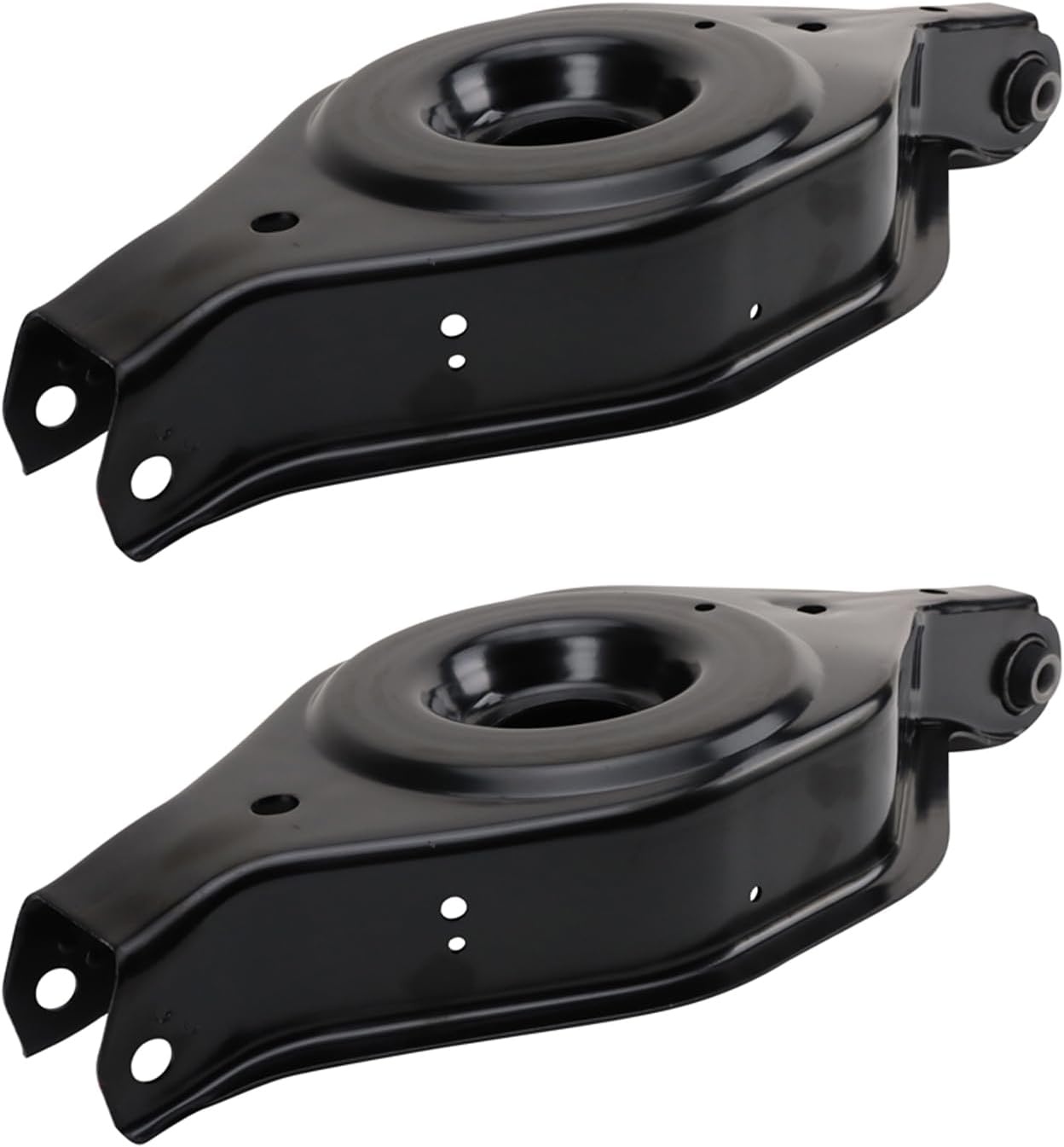
The 2012 Infiniti QX56, a luxury SUV known for its robust capabilities and comfortable ride, relies on a sophisticated suspension system to deliver both. A crucial component of this system, particularly at the rear, is the lower control arm. This guide delves into the engineering and operational principles of the rear lower control arm in the 2012 QX56, offering an in-depth look at its construction, function, and potential failure points.
What is a Rear Lower Control Arm?
The rear lower control arm, also known as a suspension arm or A-arm (though strictly speaking, the QX56 uses a more complex multi-link setup), is a critical link between the vehicle's chassis and the rear wheel hub assembly. It acts as a hinge, allowing the wheel to move up and down in response to road irregularities while maintaining its position relative to the chassis. In essence, it contributes significantly to ride comfort, handling stability, and overall vehicle control.
The 2012 QX56 utilizes a multi-link independent rear suspension (IRS). While often referred to as a control arm, the lower component of the multi-link system isn't *strictly* a simple A-arm. It's a more complex forged or stamped steel component designed to withstand significant stresses and control wheel movement precisely.
Key Functions:
- Vertical Wheel Movement: The primary function is to allow the wheel to move vertically, absorbing bumps and dips in the road surface. This is achieved through the pivoting action of the bushings at the chassis and hub connections.
- Lateral Stability: The control arm helps maintain lateral stability by resisting lateral forces generated during cornering. It prevents the wheel from moving excessively sideways, which would compromise handling.
- Longitudinal Control: It also plays a role in longitudinal control, especially under acceleration and braking. By resisting forward and backward movement of the wheel hub, it helps maintain consistent wheel alignment and prevents unwanted wheel hop.
- Wheel Alignment: The lower control arm's position and mounting points are carefully engineered to contribute to proper wheel alignment, specifically camber and toe. These angles are critical for tire wear, handling, and overall vehicle stability. Changes to the control arm, or damage to it, can significantly impact alignment.
Construction and Materials
The rear lower control arm in the 2012 QX56 is typically constructed from high-strength steel, either forged or stamped and welded. The choice of material and manufacturing process is dictated by the need for durability, strength, and weight optimization. Forged steel offers superior strength and fatigue resistance, making it suitable for high-stress applications. Stamped steel, while generally lighter and more cost-effective, requires careful design and welding to achieve the necessary strength.
The control arm features mounting points for:
- Chassis Bushing(s): These bushings connect the control arm to the vehicle's chassis. They are typically made of rubber or polyurethane and are designed to absorb vibrations and allow for controlled movement. The chassis bushings are critical for isolating road noise and vibrations from the passenger cabin.
- Hub/Knuckle Connection: This connection links the control arm to the wheel hub or knuckle assembly. It usually involves a ball joint or a similar pivoting mechanism.
- Shock Absorber Mounting Point: The lower control arm often serves as a mounting point for the lower end of the shock absorber. This allows the shock absorber to directly control the vertical movement of the wheel.
- Sway Bar Link (potentially): Some designs may also incorporate a mounting point for a sway bar link, connecting the control arm to the sway bar, which further enhances stability during cornering.
The bushings are a crucial component of the control arm assembly. They allow for necessary movement while dampening vibrations and noise. Over time, these bushings can degrade, crack, or tear, leading to increased noise, vibration, and compromised handling. Polyurethane bushings are a common aftermarket upgrade, offering increased durability and stiffness, but may also result in a harsher ride.
Forces and Stresses
The rear lower control arm is subjected to a complex combination of forces and stresses during vehicle operation. These include:
- Tensile Forces: Occur when the wheel is pulled downward, such as when driving over a bump.
- Compressive Forces: Occur when the wheel is pushed upward, such as when landing after a jump (though this is unlikely in a QX56!).
- Shear Forces: Occur during cornering, as the control arm resists lateral movement.
- Torsional Forces: Occur as the control arm twists in response to uneven road surfaces or during aggressive maneuvers.
- Fatigue: Constant cyclical loading leads to fatigue, potentially causing cracks or failure over time.
The design of the control arm must account for all these forces and stresses to ensure its structural integrity and long-term reliability. Finite element analysis (FEA) is often used during the design process to optimize the control arm's shape and material distribution to minimize stress concentrations and maximize its strength-to-weight ratio.
Common Failure Points and Symptoms
Several factors can contribute to the failure of the rear lower control arm in the 2012 QX56:
- Bushing Degradation: As mentioned earlier, the bushings are a common failure point. They can dry out, crack, and tear due to age, exposure to the elements, and constant stress. Worn bushings will cause excessive play in the suspension, leading to clunking noises, vague steering, and uneven tire wear.
- Ball Joint Wear (if applicable): If the control arm incorporates a ball joint, this joint can wear out over time, leading to similar symptoms as worn bushings.
- Impact Damage: Hitting a curb, pothole, or other obstacle can bend or crack the control arm. This can severely compromise its strength and lead to alignment issues.
- Corrosion: In regions with harsh winters and road salt, corrosion can weaken the control arm over time, especially at weld points.
- Fatigue Cracking: Repeated stress can lead to fatigue cracks, which can eventually cause the control arm to fail completely.
Symptoms of a failing rear lower control arm can include:
- Clunking or rattling noises from the rear suspension, especially when driving over bumps.
- Vague or loose steering.
- Uneven tire wear.
- Poor handling and stability.
- Difficulty maintaining wheel alignment.
- Visual inspection reveals cracks, bends, or excessive rust.
If any of these symptoms are present, it's crucial to have the rear suspension inspected by a qualified mechanic. Ignoring these issues can lead to further damage to the suspension system and compromise vehicle safety.
Inspection and Maintenance
Regular inspection of the rear lower control arms is essential for maintaining the health and safety of the suspension system. During an inspection, look for:
- Cracks or bends in the control arm itself.
- Rust or corrosion, especially at weld points.
- Tears or cracks in the bushings. Use a pry bar to check for excessive play in the bushings.
- Excessive play in the ball joint (if applicable).
There's no specific maintenance schedule for the control arms themselves, but it's a good idea to have them inspected during routine suspension checks, such as during tire rotations or oil changes. If any signs of wear or damage are found, the control arm should be replaced immediately.
Replacing the rear lower control arm typically involves the following steps:
- Loosening the wheel lug nuts.
- Raising the vehicle and supporting it securely on jack stands.
- Removing the wheel.
- Supporting the hub/knuckle assembly to prevent it from dropping excessively.
- Disconnecting the shock absorber and sway bar link (if applicable) from the control arm.
- Loosening and removing the bolts securing the control arm to the chassis and hub.
- Removing the old control arm.
- Installing the new control arm, ensuring that all bolts are properly tightened to the manufacturer's specifications.
- Reconnecting the shock absorber and sway bar link (if applicable).
- Reinstalling the wheel.
- Lowering the vehicle.
- Tightening the wheel lug nuts to the correct torque.
- Having the wheel alignment checked and adjusted.
Important Note: Suspension work can be dangerous and should only be performed by qualified individuals with the proper tools and knowledge. Incorrect installation can lead to serious injury or damage to the vehicle.
Conclusion
The rear lower control arm is a vital component of the 2012 Infiniti QX56's suspension system, playing a crucial role in ride comfort, handling, and overall vehicle stability. Understanding its function, construction, and potential failure points is essential for maintaining the vehicle's performance and safety. Regular inspections and prompt replacement of worn or damaged control arms can help ensure a smooth and controlled driving experience for years to come. Furthermore, choosing quality replacement parts from reputable manufacturers is crucial for long-term reliability and performance.